

Welcome to our informational blog.
Topics covered include literary theory and practice, academic writing techniques, philosophy of education, and explanations of our methods for strengthening creative intelligence.
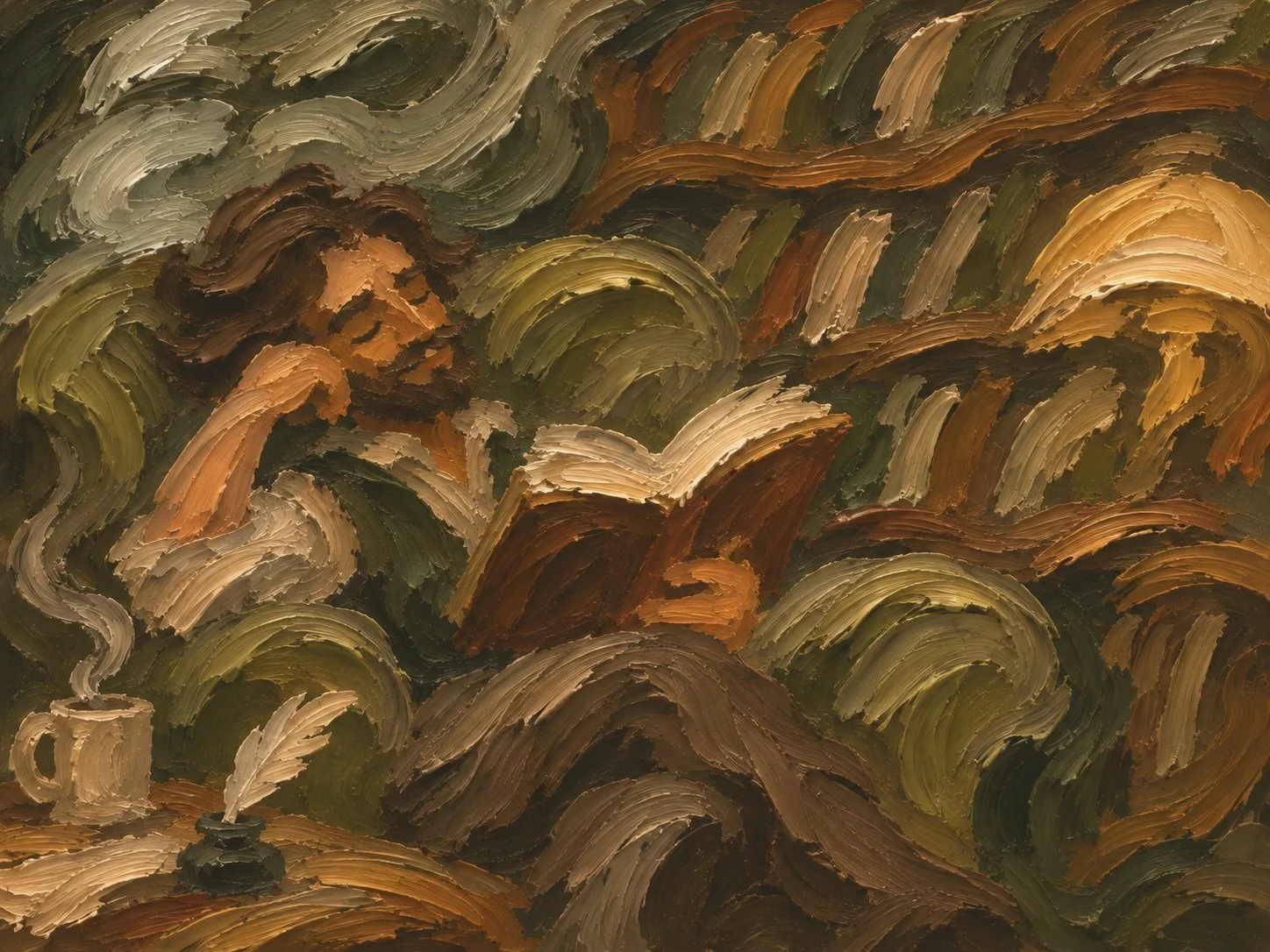
Reading Like a Writer: A Creative Education Through Books
The experience of reading a powerful story is often so seamless that its underlying construction remains hidden. A writing coach can help writers develop a more attentive and purposeful reading practice, particularly when they are struggling with specific aspects of their own manuscripts.

When Editing Isn't Enough: Rewriting Your Novel
Through close reading and sustained conversation, book writing coaching can help identify recurring structural difficulties, examine the effectiveness of different narrative approaches, and distinguish promising material from elements that have outlived their usefulness.

The Writer's Apprenticeship to the World
Many aspiring novelists possess an abundance of stories but struggle to develop this material into a compelling narrative. A novel coach can help writers negotiate the complicated relationship between lived experience and art.
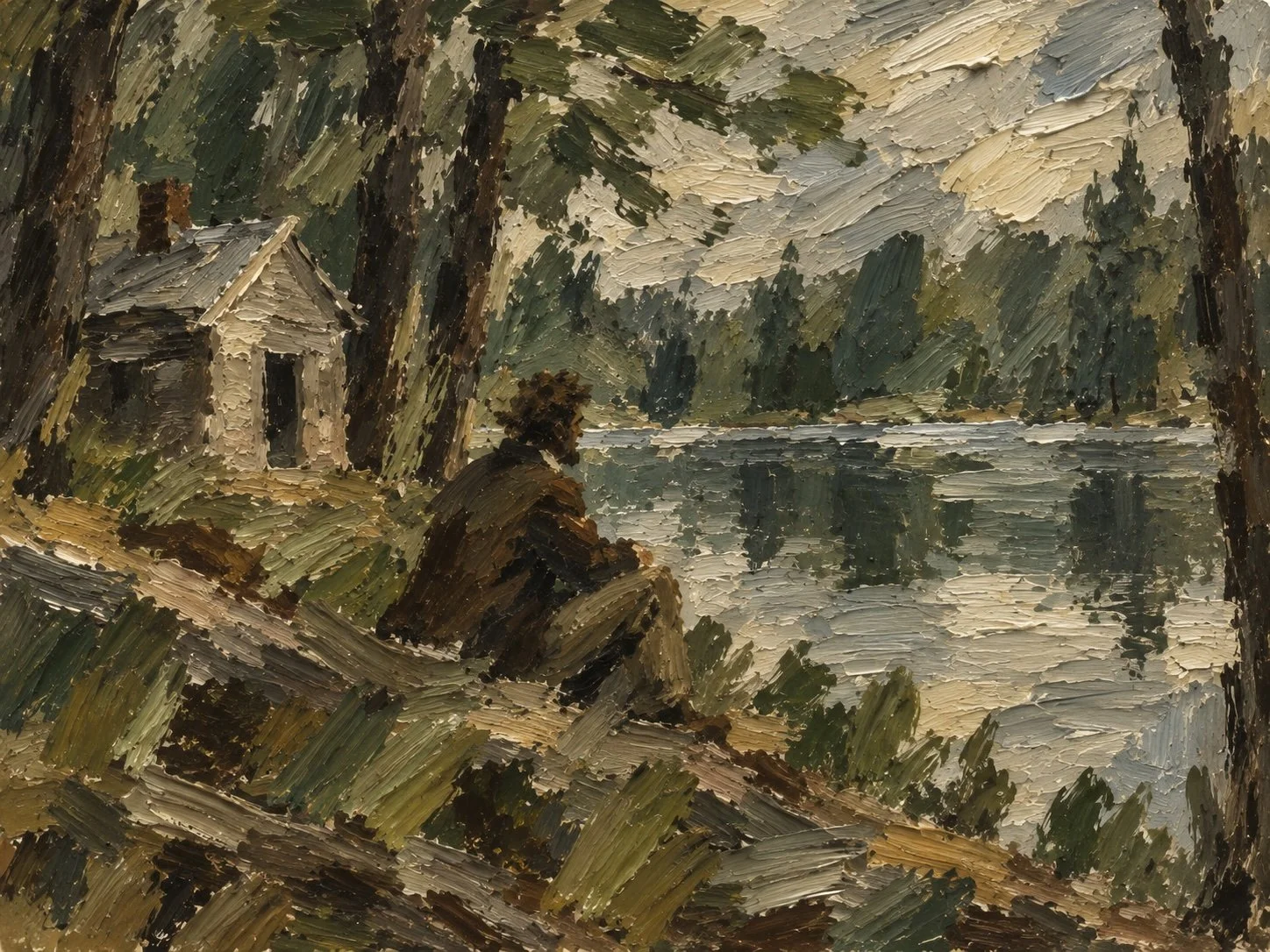
The Artist’s Life as a Work of Art
Author mentorship can help an aspiring author consider the relationship between their creative ambitions and the life they're building around those ambitions. Beyond offering feedback on prose, characterization, and narrative structure, a mentor can help writers establish sustainable working habits, recognize recurring artistic interests, and make decisions about the direction of a long-term project.
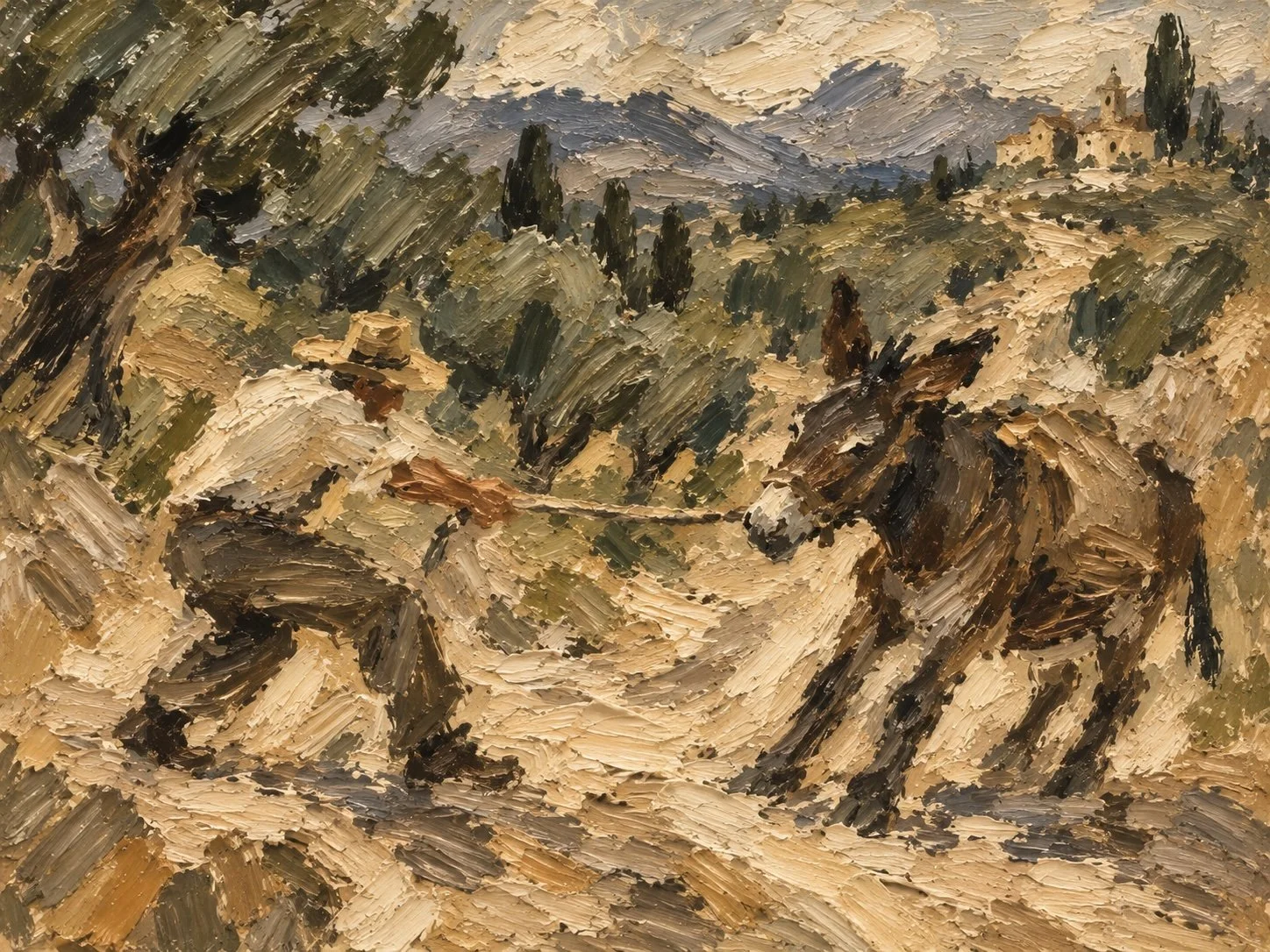
The Art of Getting Lost: How Detours Shape Travel Narratives
Writers are often poor judges of which experiences will interest someone who wasn't there. They may devote several pages to describing a famous destination while passing too quickly over a brief encounter that contains the beginnings of a compelling scene. A writing mentor can identify these overlooked possibilities, drawing attention to moments of tension, unusual characters, or recurring concerns that the author has yet to recognize.

The Architect and the Gardener: Two Approaches to Writing a Novel
Novel writing mentorship can help writers understand their natural creative tendencies while identifying the limitations of their preferred methods. For an architect, a mentor can encourage the writer to remain responsive to discoveries made during drafting, even when those discoveries require substantial changes to the original design. For a gardener, the mentoring process may focus on recognizing patterns that have begun to emerge organically.

When the Well Runs Dry: On Burnout and the Writing Life
A creative writing mentor provides something that is difficult to maintain while working alone: perspective. Writers spend so much time inhabiting the worlds they've created that they can lose the ability to distinguish genuine artistic problems from the ordinary frustrations of writing.

How Much Should Each Book in a Series Stand Alone?
The best writing coaches can also help a writer distinguish productive openness from when a novel has been left incomplete. Some unanswered questions create tension that pulls the reader toward another book. Others feel as though the author abandoned a storyline before it reached its natural destination. The distinction can be difficult to perceive from inside a long project.

The Flash Essay as a Container for Memory
Writers working with memory often struggle not because they lack material but because they have too much of it. Every recollection seems connected to another recollection, and soon a two-page piece begins carrying the burden of explaining an entire family history. An online writing coach can help identify the true center of gravity in a draft.

What Nature Teaches Us About Story
Writers often become so accustomed to the existing architecture of a manuscript that it becomes difficult to imagine a radically different organizing principle. A creative writing mentor can help identify natural patterns already emerging from the environment.

Writing Memory in the Digital Age
Writers dealing with memory often accumulate far more material than the finished piece can hold. Digital archives make that problem even more pronounced. Hundreds of photographs, messages, recordings, and remembered scenes may all feel important because they genuinely belong to the writer's experience or the character's history. A creative writing coach can help distinguish between material that merely documents the past and material that generates narrative movement.

How to Prepare an Excerpt for a Public Reading
A literary coach can also help distinguish between a passage that is important to the book and a passage that works well aloud. Those are not always the same thing. Together, writer and coach can experiment with different openings, trim unnecessary explanation, clarify transitions, and consider how the excerpt represents the larger project without attempting to summarize it.

Changing With a Manuscript
Early in a project, book writing coaching may help with generating material, building structure, or maintaining momentum. After several years, the value in manuscript consultation often lies in its ability to restore the writer’s perspective on the project.

The Reflective Voice: Writing From Two Points in Time
Writers working with autobiographical material often know their experiences too intimately to recognize when the distinction between the experiencing self and the reflective narrator has become blurred. Author coaching can help identify moments when the older narrator is explaining too much, scenes in which the younger self possesses knowledge they could not realistically have had, or passages where the writer has not yet explored the significance of what has been described.

Writing Like Jazz: What Improvisation Can Teach the Novelist
This kind of responsiveness can be particularly important during drafting. Writers sometimes become so committed to their initial conception of a book that they fail to recognize the better book beginning to appear underneath it. A book writing coach can be useful in helping a writer negotiate this tension.

Before the First Book: Building a Literary Career
Writers therefore need ways of measuring progress that do not depend entirely on publication. A manuscript becoming more structurally coherent is progress. So is learning how to revise, developing a distinctive voice is progress, and building relationships with other serious writers. Author mentorship provides continuity where the literary marketplace often provides only scattered responses.

What an Agent’s Client List Can Tell You
A database can tell a writer that an agent represents literary fiction. A publishing consultant can help determine what that description seems to mean in practice. This might mean comparing an author’s manuscript to the kinds of books represented by several prospective agents, examining recent sales, and identifying which agents appear to share the manuscript’s aesthetic and commercial territory.

What Writers Can Learn from Painters About Composition
Good composition is rarely symmetrical in any simple sense. Paintings can be deliberately lopsided, crowded, spare, or unsettling. Novels can be as well. The more useful task to approach with a book writing consultant is to understand what the existing arrangement is doing and whether it produces the experience the writer intends.

The Myth of the Perfect Conditions for Writing
Before a residency begins, a writing coach can help define the questions worth carrying into it. Rather than arriving with the enormous and vague instruction to “work on the novel,” a writer might identify several concrete problems.

The Art of Literary Research
Knowing when research has become generative and when it has become evasive can be difficult, particularly during a long project. This is one place an online writing coach can be useful. Because the coach stands outside the writer’s private accumulation of notes, books, interviews, and discoveries, they can often see more clearly which material is actually shaping the manuscript.