

Welcome to our informational blog.
Topics covered include literary theory and practice, academic writing techniques, philosophy of education, and explanations of our methods for strengthening creative intelligence.
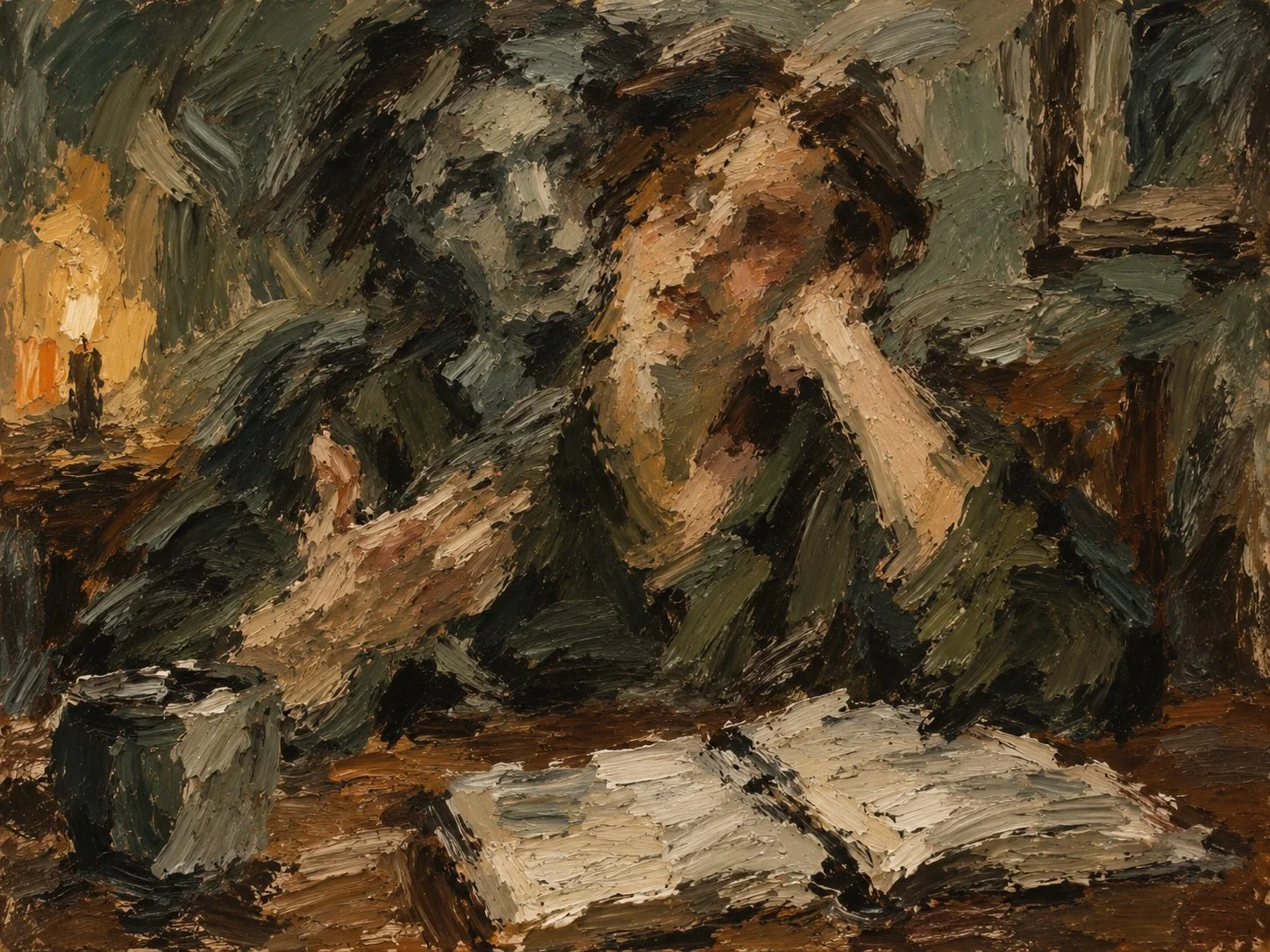
Self-Deception and the Unreliable Narrator
The most effective novels often develop two narratives simultaneously. There is the story the narrator believes they are telling, and there is another story emerging underneath it. A creative writing mentor’s manuscript assessment can help identify where that second narrative becomes visible.
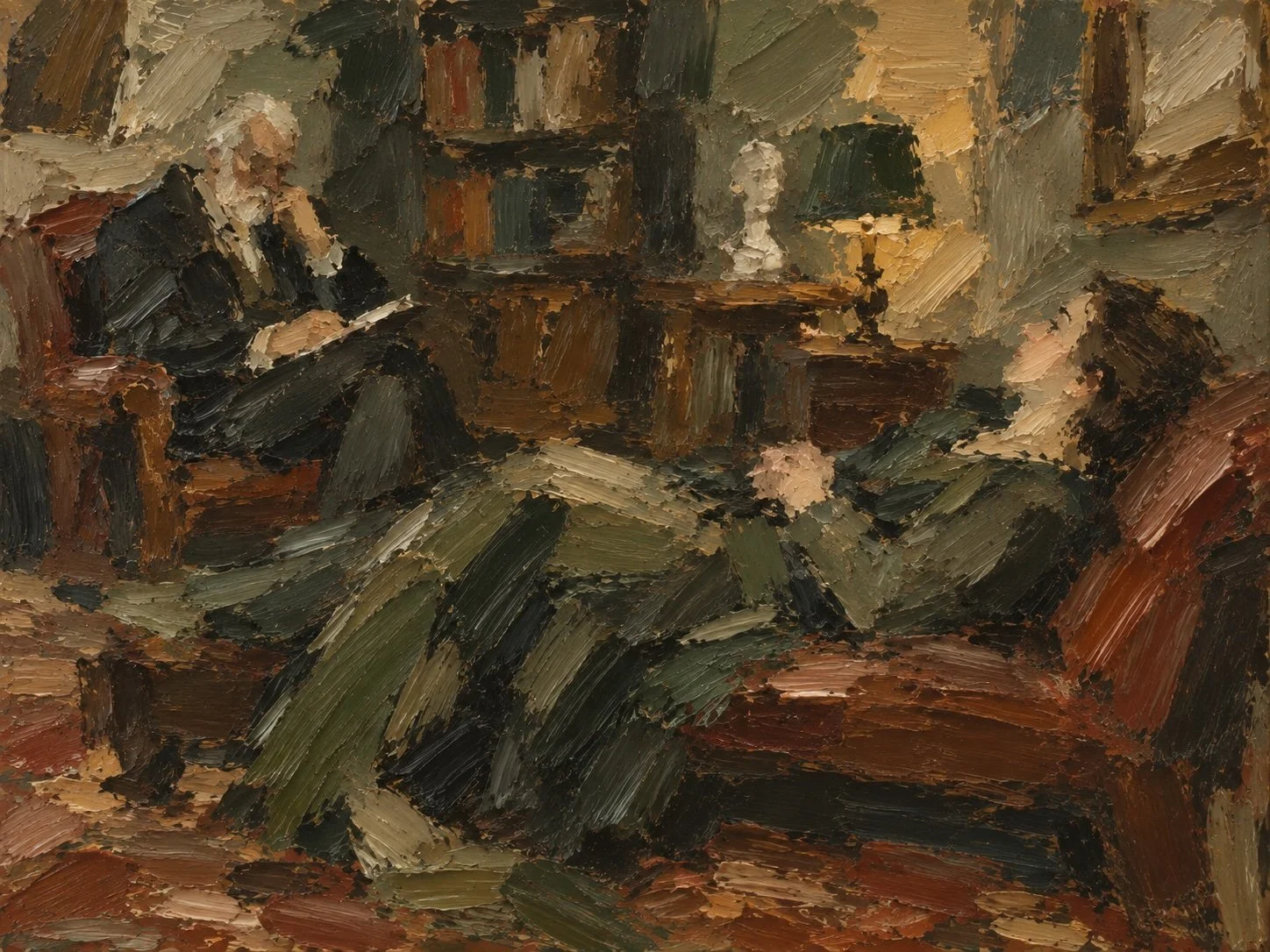
Why Characters Repeat Their Mistakes
Rather than immediately eliminating repetition, a professional writing coach can help a writer distinguish between redundant scenes and psychologically meaningful recurrence. Two scenes that appear superficially similar may become powerful if the writer understands what patterns are playing out underneath them.

How Much Should Each Book in a Series Stand Alone?
The best writing coaches can also help a writer distinguish productive openness from when a novel has been left incomplete. Some unanswered questions create tension that pulls the reader toward another book. Others feel as though the author abandoned a storyline before it reached its natural destination. The distinction can be difficult to perceive from inside a long project.

What Nature Teaches Us About Story
Writers often become so accustomed to the existing architecture of a manuscript that it becomes difficult to imagine a radically different organizing principle. A creative writing mentor can help identify natural patterns already emerging from the environment.

Revising Backwards: What the Ending Teaches You About the Beginning
The writer remembers every abandoned possibility. A scene that once seemed crucial may continue to feel important because of the effort required to write it, even when the finished manuscript has moved elsewhere. An outside reader encounters something different: the book as it currently exists. During a manuscript consultation, a book writing coach can help identify the manuscript’s actual center of gravity.

Changing With a Manuscript
Early in a project, book writing coaching may help with generating material, building structure, or maintaining momentum. After several years, the value in manuscript consultation often lies in its ability to restore the writer’s perspective on the project.

Enter Late, Leave Early: For Screenwriters
A screenwriting coach can approach the screenplay as both reader and craft partner, identifying where scenes truly begin and where their dramatic work has already finished. Rather than simply recommending that a script be shorter, a good coach can help the writer understand why a scene loses energy and where its center of gravity lies.

The Reflective Voice: Writing From Two Points in Time
Writers working with autobiographical material often know their experiences too intimately to recognize when the distinction between the experiencing self and the reflective narrator has become blurred. Author coaching can help identify moments when the older narrator is explaining too much, scenes in which the younger self possesses knowledge they could not realistically have had, or passages where the writer has not yet explored the significance of what has been described.

Writing Like Jazz: What Improvisation Can Teach the Novelist
This kind of responsiveness can be particularly important during drafting. Writers sometimes become so committed to their initial conception of a book that they fail to recognize the better book beginning to appear underneath it. A book writing coach can be useful in helping a writer negotiate this tension.

Bergson and the Modernist Experience of Time
Writers immersed in a manuscript often become accustomed to its rhythms. A section covering two hours may occupy eighty pages, while several crucial years disappear in ten. Sometimes that imbalance is exactly what the book requires. Sometimes it is accidental. A professional writing consultant can help the writer distinguish between the two.

Spinoza and the Literature of Crowds
Writing collective scenes well is difficult precisely because they require the author to manage several scales at once. Too much distance and the crowd becomes abstract. Too much attention to a single character and the collective force disappears. A book writing consultant reading an entire manuscript can notice patterns that are difficult to see at the sentence level.

Phenomenology and the Art of Seeing
A creative writing mentor can identify the moments when a scene is already doing its work before the writer explains it. They can point to an image, gesture, or pattern of attention and say that the meaning is already present. Just as importantly, they can recognize when withholding has become unnecesarily obscure.

What Writers Can Learn from Painters About Composition
Good composition is rarely symmetrical in any simple sense. Paintings can be deliberately lopsided, crowded, spare, or unsettling. Novels can be as well. The more useful task to approach with a book writing consultant is to understand what the existing arrangement is doing and whether it produces the experience the writer intends.

The Myth of the Perfect Conditions for Writing
Before a residency begins, a writing coach can help define the questions worth carrying into it. Rather than arriving with the enormous and vague instruction to “work on the novel,” a writer might identify several concrete problems.

The Art of Literary Research
Knowing when research has become generative and when it has become evasive can be difficult, particularly during a long project. This is one place an online writing coach can be useful. Because the coach stands outside the writer’s private accumulation of notes, books, interviews, and discoveries, they can often see more clearly which material is actually shaping the manuscript.

Writing War from the Home Front
War carries enormous historical and emotional weight, and that weight can make a draft feel as though every scene must announce its significance. A fiction writing mentor can help a writer identify where the story is most alive and where research or historical context is beginning to overwhelm the characters.

Decentering the Protagonist
Experimental structures are often difficult to evaluate from inside the manuscript because the writer knows connections the reader cannot yet see. A writer may understand perfectly why twelve characters belong in the same novel while a new reader experiences them as twelve unrelated stories. A book writing consultant can help identify the book’s hidden organizing principle.

Should Reading Make Us Better People?
The best literary mentorship therefore resembles the best literary education. Neither supplies a set of correct interpretations. Both cultivate attention. The student learns to stay with a difficult passage. The writer learns to stay with a difficult character. In each case, understanding comes from resisting the urge to resolve complexity too quickly.

The Empty Chair: Writing Absence in Fiction
An emotion like loneliness is difficult for a writer to judge from inside a manuscript because the author already knows what the character feels. A writer may believe the emotion is obvious when the page has not yet created it. In other cases, the manuscript may explain feelings that the scenes already communicate perfectly well. Book coaching services can help identify that difference.

The Poetry of Reclusion and the Writer’s Private Life
Tao Yuanming's enduring importance comes partly from his willingness to ask what ambition costs. His poems do not offer an abstract theory of the creative life. They show someone trying to construct a life in which attention can settle elsewhere. Author mentorship can become particularly valuable when a writer is trying to find this balance.