

Welcome to our informational blog.
Topics covered include literary theory and practice, academic writing techniques, philosophy of education, and explanations of our methods for strengthening creative intelligence.
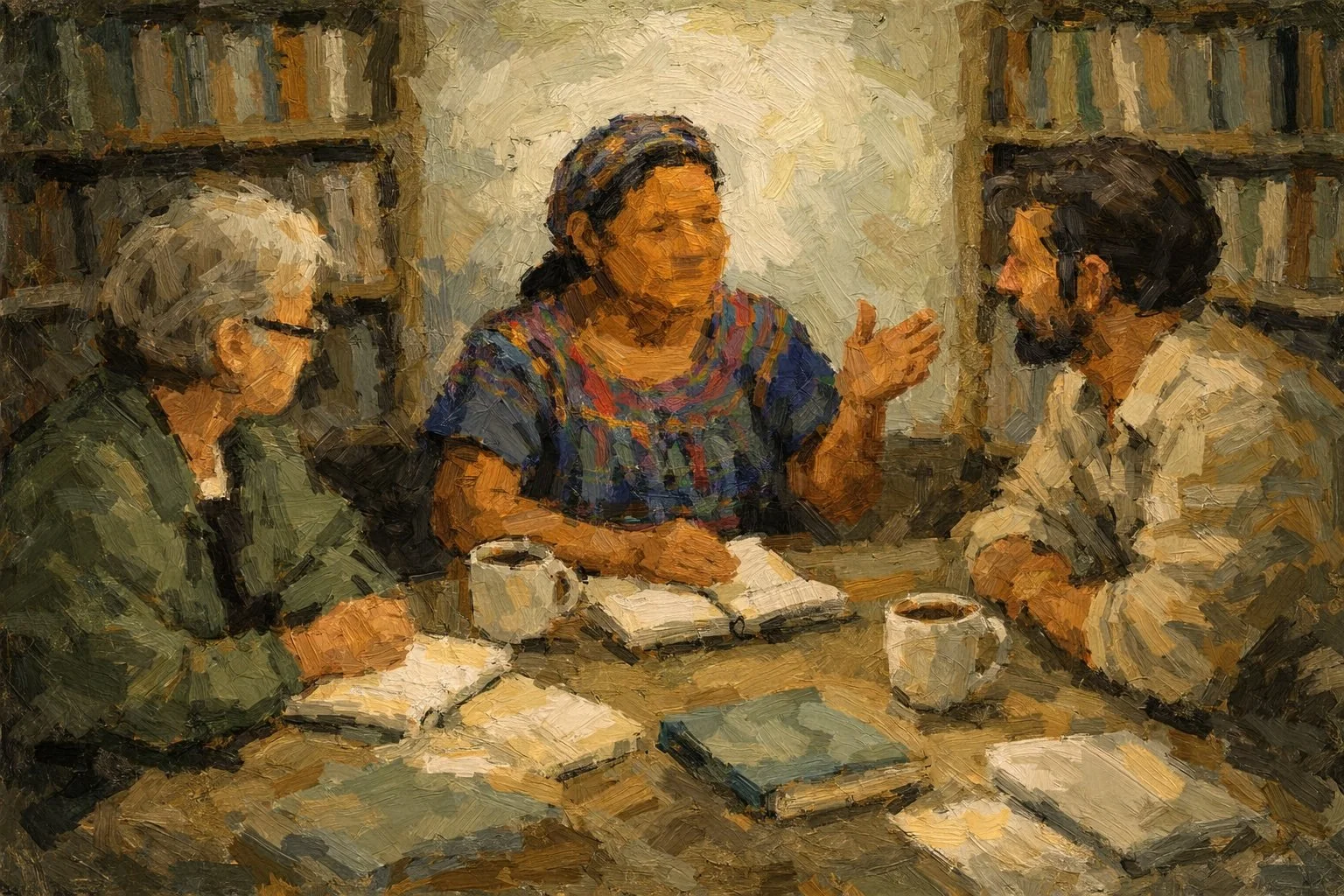
Bearing Witness: The Craft and History of Latin American Testimonio
For contemporary writers, especially those interested in nonfiction or hybrid forms, testimonio offers a way to think differently about voice and authority. They may be writing about their own communities, or collaborating with others to bring a story into written form. The stakes are high, both ethically and artistically. Manuscript critique services with a creative writing coach can help clarify the structure of such a project.

Writing the Ineffable: Lessons from Devotional Literature
Devotional writing shows how to sit with experiences that are difficult to express without rushing to resolve them. Writers drawn to this kind of material often feel uncertain about how it will be received. The work can seem too inward, too strange, or too resistant to conventional narrative expectations. Author mentorship can help the writer explore this material without diluting it.
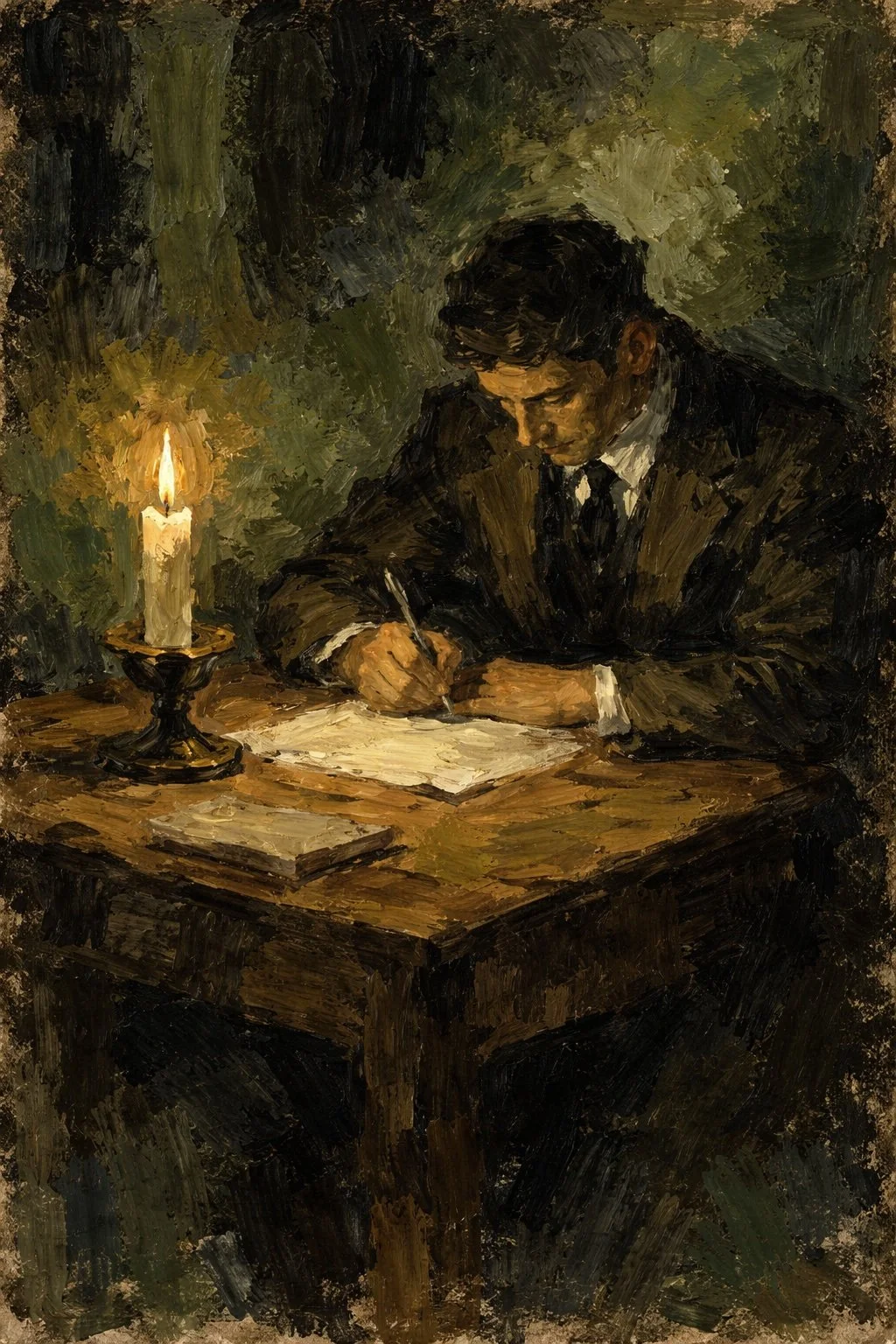
Writing Every Day: Lessons from the Habits of Famous Authors
A writer sets an ambitious schedule, fails to meet it, and then begins to associate the practice itself with disappointment. Author coaching helps interrupt this cycle by recalibrating the scale of the practice. This might mean writing for thirty minutes instead of three hours, or committing to three days a week instead of seven. Consistency grows out of repetition that feels sustainable.

Echoes of the Land: Landscape and Memory in Latin American Regional Literature
Approaching these settings with care requires research, humility, and close reading of the writers who know those places most intimately. Hiring a professional writing coach can help guide that process, encouraging writers to engage deeply with regional traditions while developing their own voice.
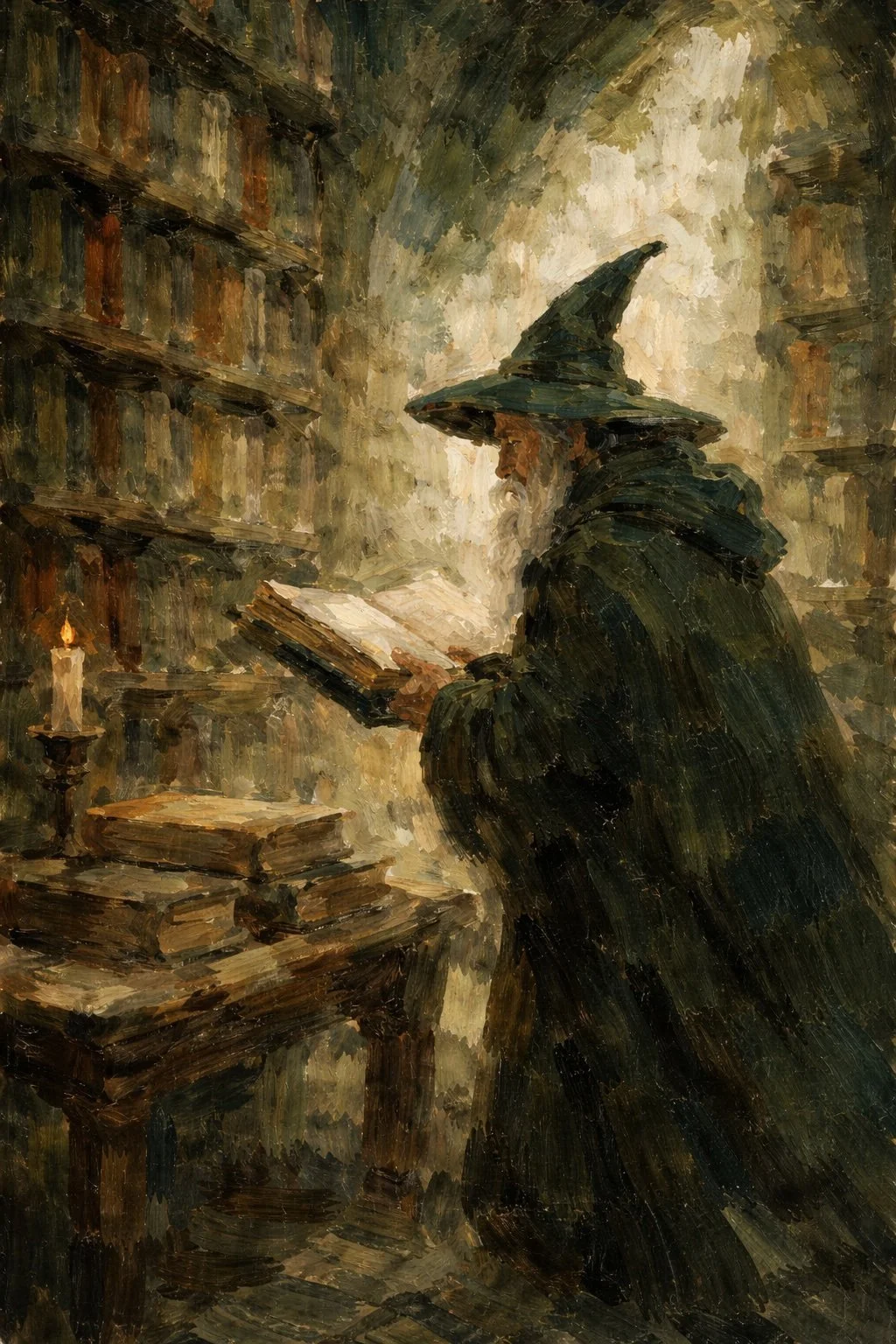
Systems of Magic and Moral Order
The deeper challenge lies in designing a system of magic whose constraints align with the thematic core of the novel. Fantasy manuscripts often arrive with ambitious worlds and complex lore. What they sometimes lack is a clear relationship between power and principle. A book writing consultant reads for this underlying architecture.

Four Movements: Seasonal Structure in Fiction
Many drafts have a vague sense of time. A manuscript that feels diffuse may gain clarity when anchored to a defined temporal arc. A book writing coach can help a writer identify latent seasonal markers already present in the work.
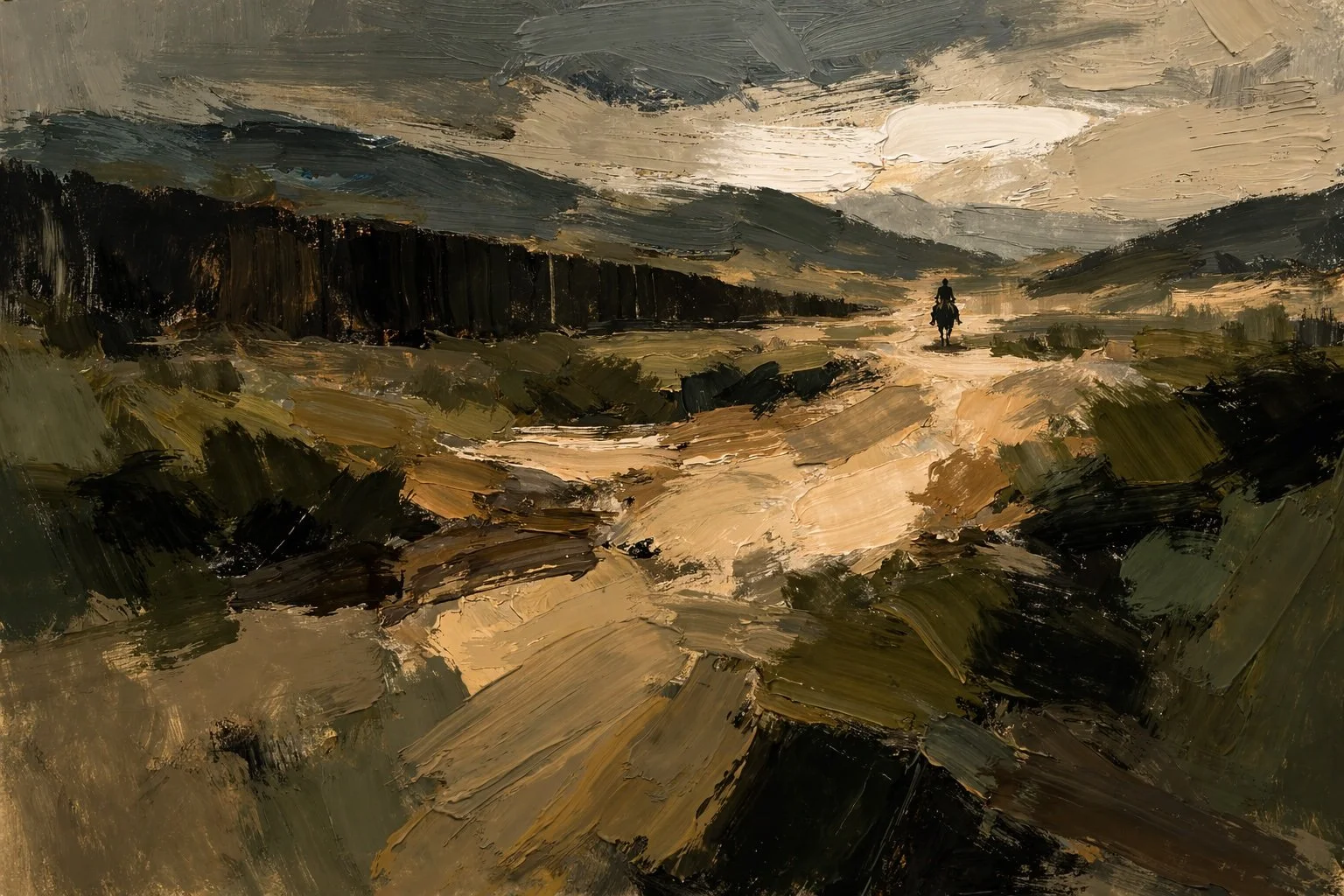
Literature of the Borderlands
Code-switching, dialect, and multilingual dialogue need careful handling. A freelance writing consultant can read closely for rhythm and clarity. Are the shifts in language grounded in character? Do they arise naturally from context?
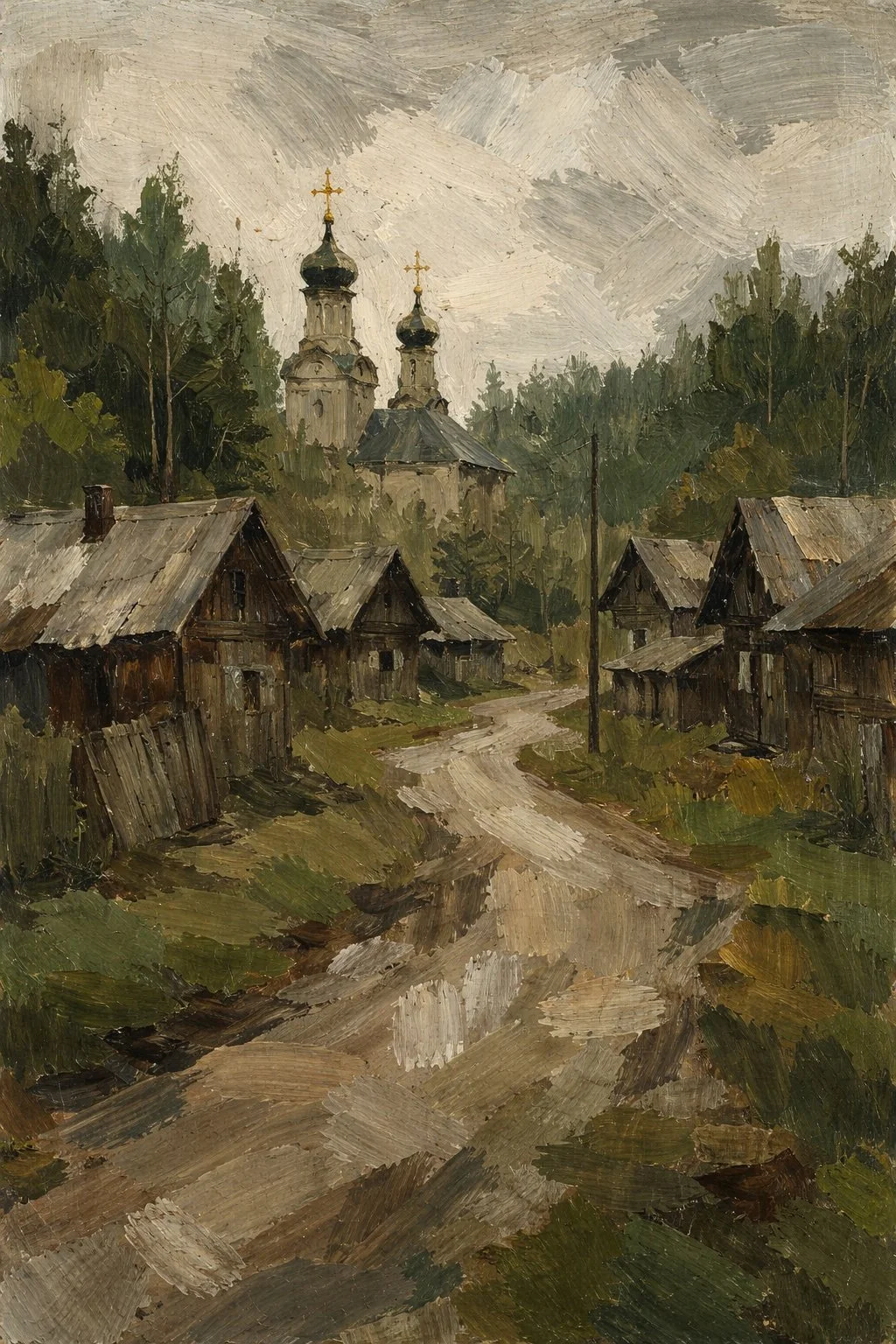
The Village as Microcosm
An online writing coach helps clarify scale. In a small community narrative, every scene must carry relational consequence. If two characters argue in private, who else will hear of it? If a secret is revealed, how far will it travel?

The Discipline of Stillness: On Boredom and Attention
Boredom invites a different relationship between writer and reader. It asks the reader to slow down and accept uncertainty. It asks the writer to trust that meaning can arise without spectacle. A creative writing mentor helps hold that trust in place, especially when doubt sets in.

The Inner Lives of Characters: A Psychological Approach to Literary Analysis
Over the past century, a variety of psychological frameworks—Freudian, Jungian, Lacanian, and more recent cognitive and behavioral theories—have offered useful tools for unlocking character motivations. For authors, delving into these approaches with the guidance of a literary coach can sharpen their craft and bring fresh layers of meaning to character work.

The Architecture of Adventure: Writing the Quest Frame
The stories that endure are those that take the familiar and make it new, that remind us of the power of the quest while revealing paths we had not yet imagined. For that, craft, awareness, and the honest eye of manuscript critique are indispensable companions on the writer’s journey.

Framing the Story: An Introduction to Cognitive Frames and Narrative Worlds
A publishing consultant, especially one with experience in narrative theory, can help illuminate how frames are functioning in a manuscript. They can see when a writer leans too heavily on convention, producing a story that feels predictable, or when a frame has been established but then abandoned midstream, leaving the reader unmoored.

Borges’s Labyrinths and the Role of the Publishing Coach
In today’s literary marketplace, Borges’s intellectual density can be both an asset and a challenge. A publishing coach helps writers translate that style into work that can find a home with publishers, journals, or presses.

The Strange, Brilliant World of Donald Barthelme
Donald Barthelme’s short fiction remains a landmark in American literature, a testament to the power of experimental collage. His stories continue to inspire writers who seek to challenge narrative norms and capture the texture of contemporary life in all its strangeness. For those drawn to follow in his footsteps, working with a book publishing consultant can help ensure that bold, unconventional stories not only get written but also get read.

Bakhtin’s Carnivalesque: When Writers Turn the World Upside Down
The carnivalesque is a structured play of disorder, where subversion and parody allow us to glimpse other possibilities—what life might look like if the usual rules didn’t apply. From Rabelais’ ribald tales in Gargantua and Pantagruel to the anarchic humor of contemporary satire, the carnivalesque offers readers both joy and critique. For someone drafting a novel or short story, a manuscript consultant can be invaluable in identifying where the carnivalesque can enliven a narrative and sharpen its commentary.
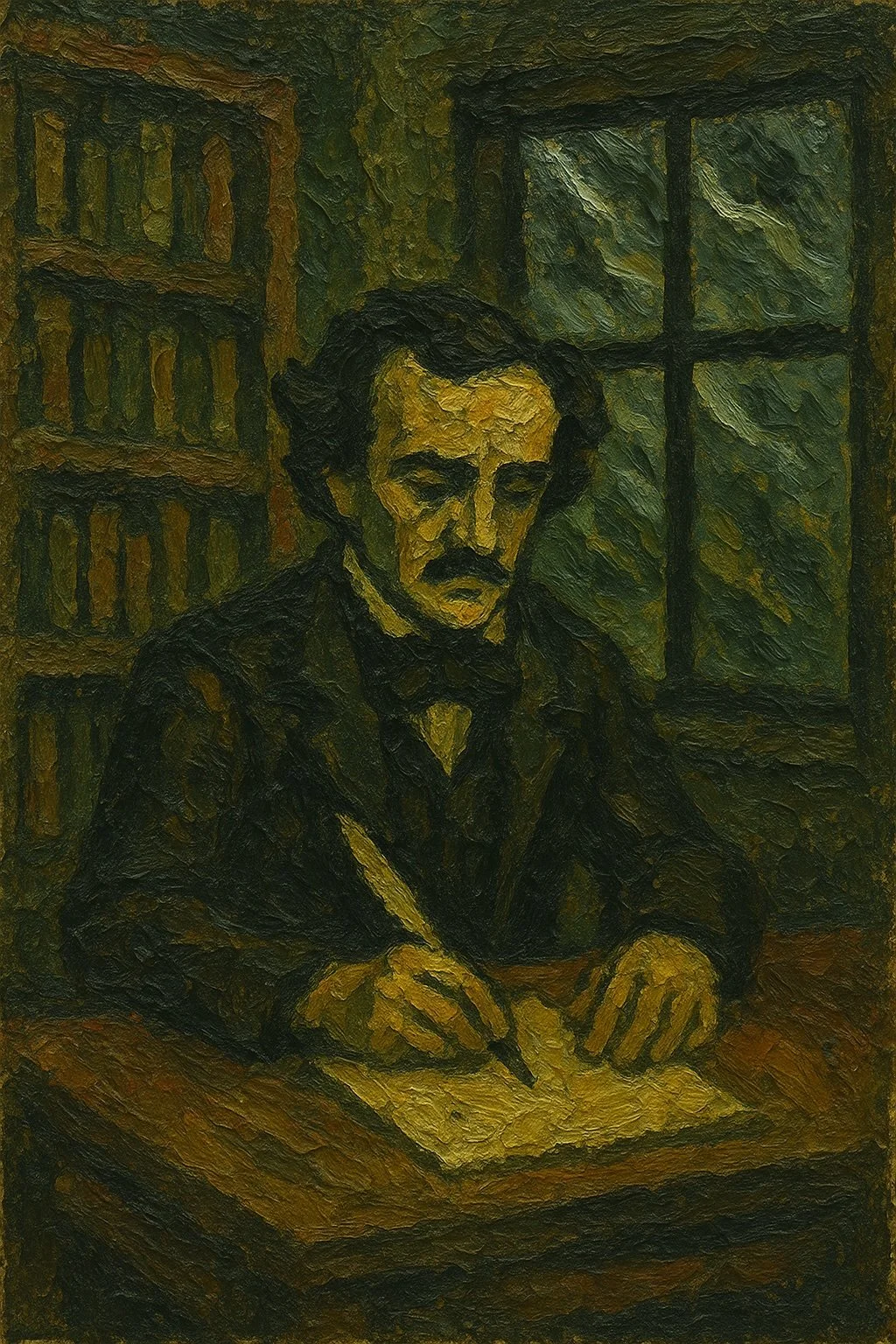
The Unity of Effect Reimagined: Short Story Coaching in the Spirit of Poe
This theory, known as the Unity of Effect, would go on to shape generations of writers and critics, and it remains one of the most enduring craft principles in literary history. But what does this idea mean for the contemporary short story writer? And more importantly, how can a creative writing coach or mentor help a developing writer apply such a meticulous, even architectural, approach to their storytelling?

Bruno Schulz and the Mythology of Childhood: Lost Worlds, Paper Towns, and the Writer as Dreamer
For contemporary writers intrigued by his poetic surrealism and haunted sensibility, Schulz is not just an influence but an aesthetic and emotional challenge. He invites the writer to look sideways at reality, to blur the border between dream and world. And for that journey, many authors will benefit from hiring a writing coach—someone who can help them hold the thread of their narrative while they wander in Schulz’s hall of mirrors.

Narrating to “You”: How Second Person Rewrites the Reader’s Role
For writers who are tempted by this bold narrative approach, there is both enormous creative opportunity and significant risk. This is where the discerning eye of a writing consultant can be essential. Because second-person narration is so unconventional, developing it into a resonant and effective literary technique demands deep structural thought, a nuanced understanding of tone and voice, and often, iterative experimentation—a process best undertaken in manuscript consultation.

Not Just for Laughs: Coaching Writers to Master the Politics of Satire
Writing sharp, effective satire demands not only wit but also discipline, precision, and an unflinching moral compass. For this reason, many emerging satirical writers can benefit from working with an online writing coach who understands both the literary lineage and the rhetorical force of the genre.

Fiction Under Surveillance: Censorship, Storytelling, and the Role of Mentorship
Faced with the impossibility of open critique, many authors throughout history have turned to formal experimentation, developing complex literary structures—such as allegory, magical realism, and fragmentation—not simply as aesthetic choices but as necessary strategies of survival. In these contexts, literary form becomes a language of subversion, a way of saying what cannot be said. For contemporary writers interested in these modes, whether for political or artistic reasons, mentorship with an experienced author or writing coach can offer vital guidance in crafting fiction that is subtle, layered, and powerful without being didactic or censored.