

Welcome to our informational blog.
Topics covered include literary theory and practice, academic writing techniques, philosophy of education, and explanations of our methods for strengthening creative intelligence.
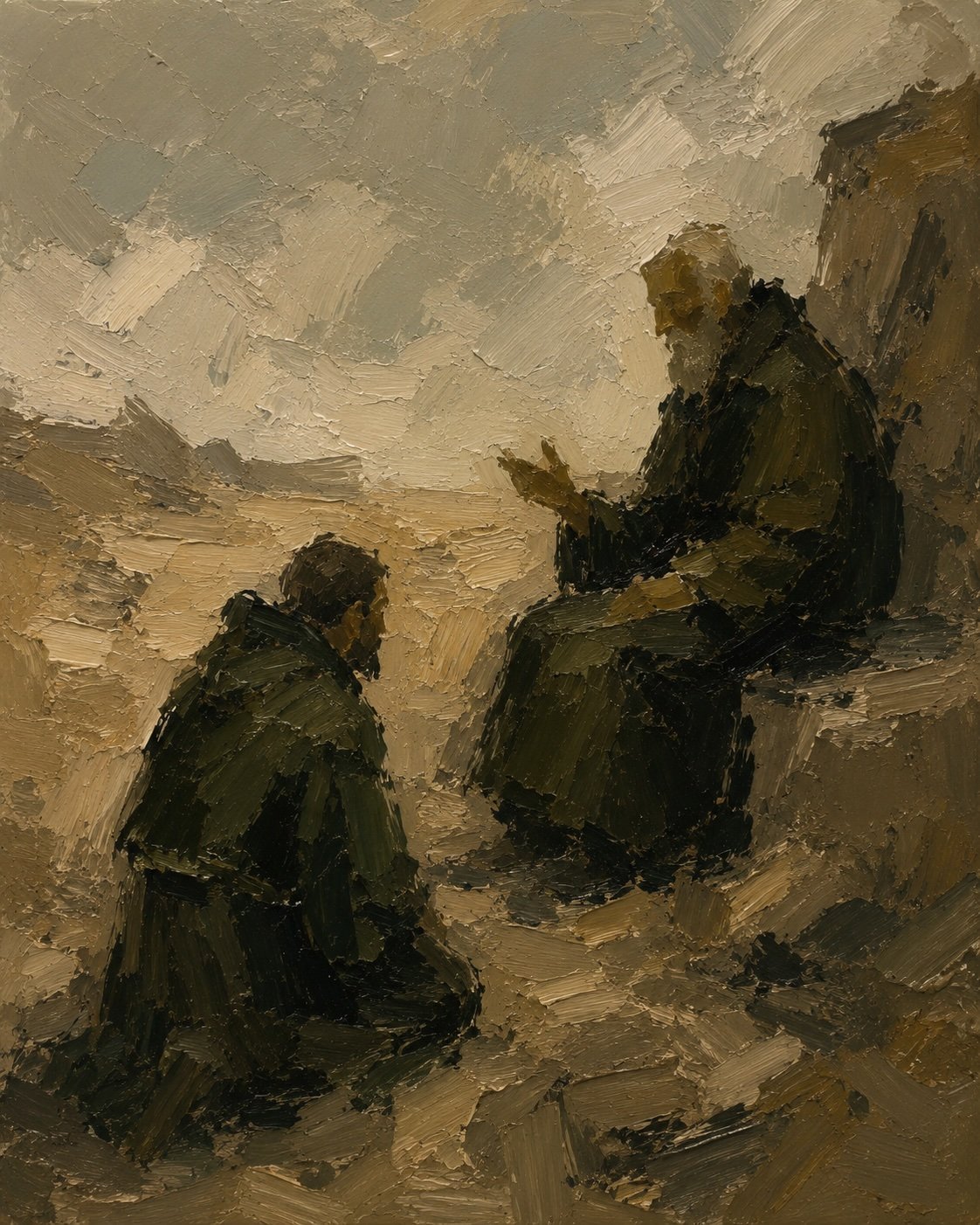
The Desert Fathers and the Art of Saying Less
What feels elegantly understated to the author may simply be confusing. What feels necessary may actually be an explanation of something the scene has already made perfectly clear. Author coaching provides the outside perspective necessary to distinguish between productive silence and accidental omission.
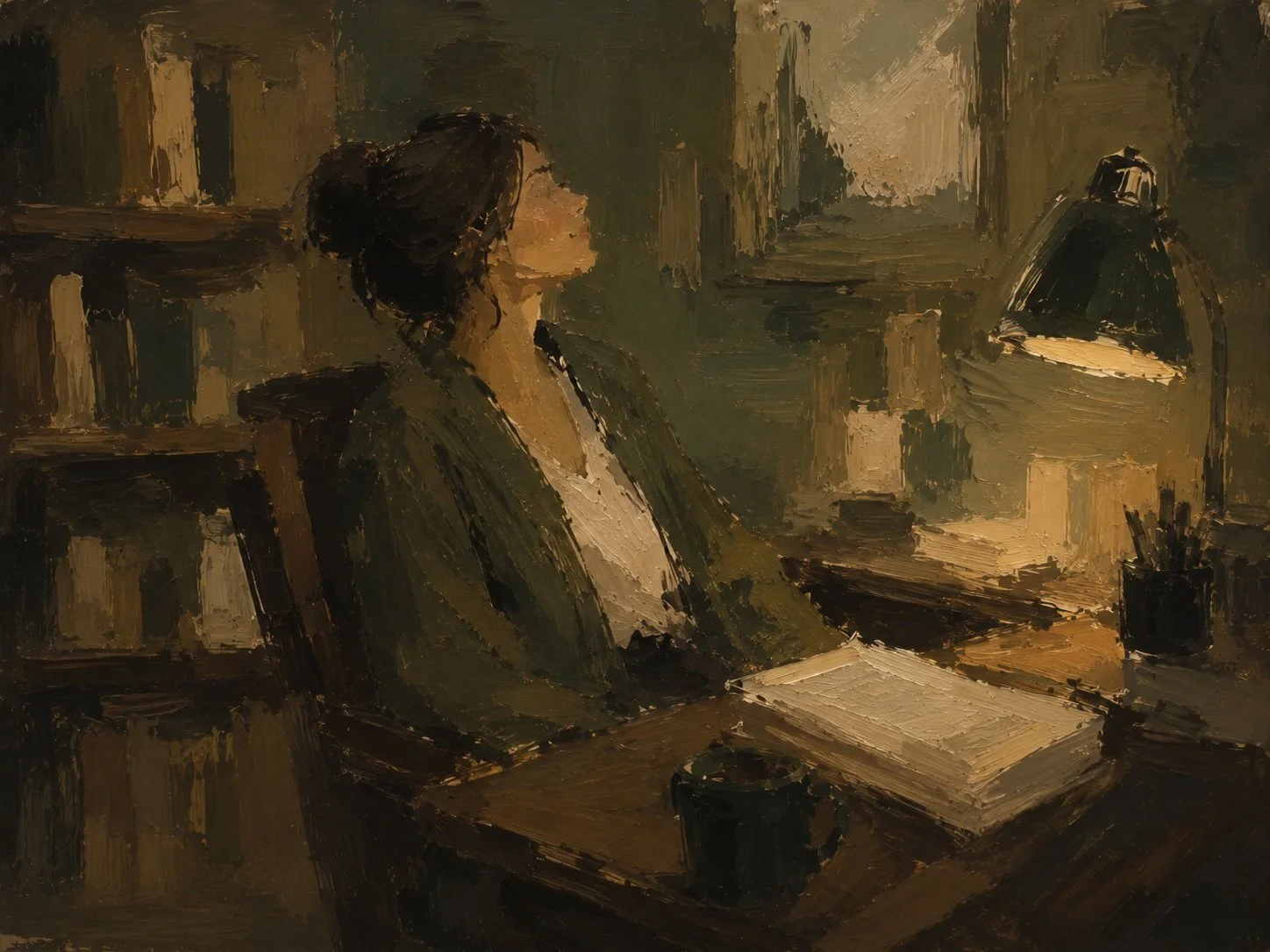
The Art of the Final Image
A writer may believe that the meaning of an image is obvious because they know exactly what it represents. A reader may experience it as arbitrary. The opposite problem is equally common: the writer may explain an image that the reader already understands perfectly well. A creative writing mentor can help identify the precise moment when the story has done enough.
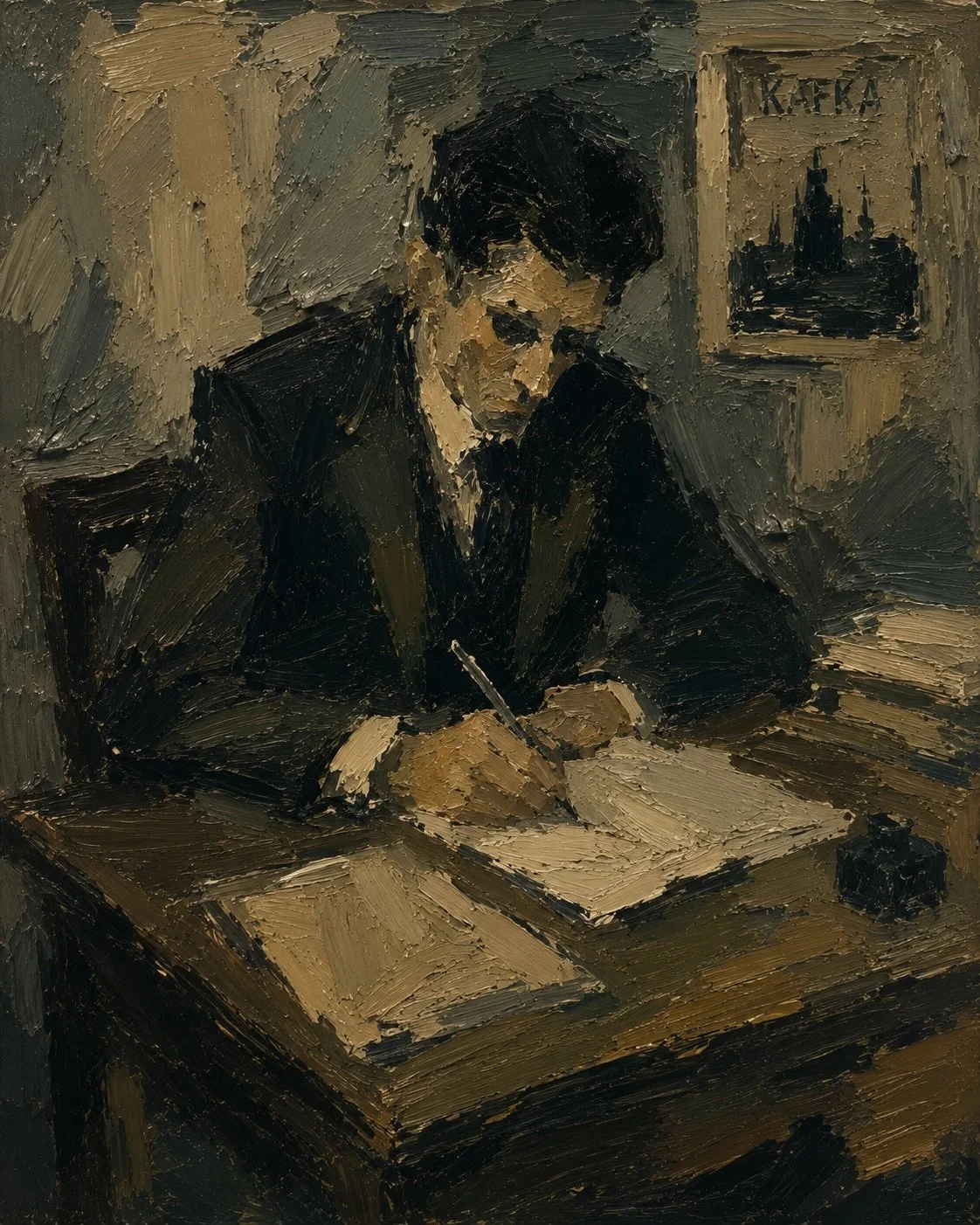
In Praise of Simple Prose
It’s not always easy to tell, from inside a draft, whether restraint is working. What feels subtle to the writer might feel empty to a reader. A scene might seem carefully understated, but without enough detail or context, it can lose its impact. Author coaching can help clarify where the writing is doing its job and where it needs more support.
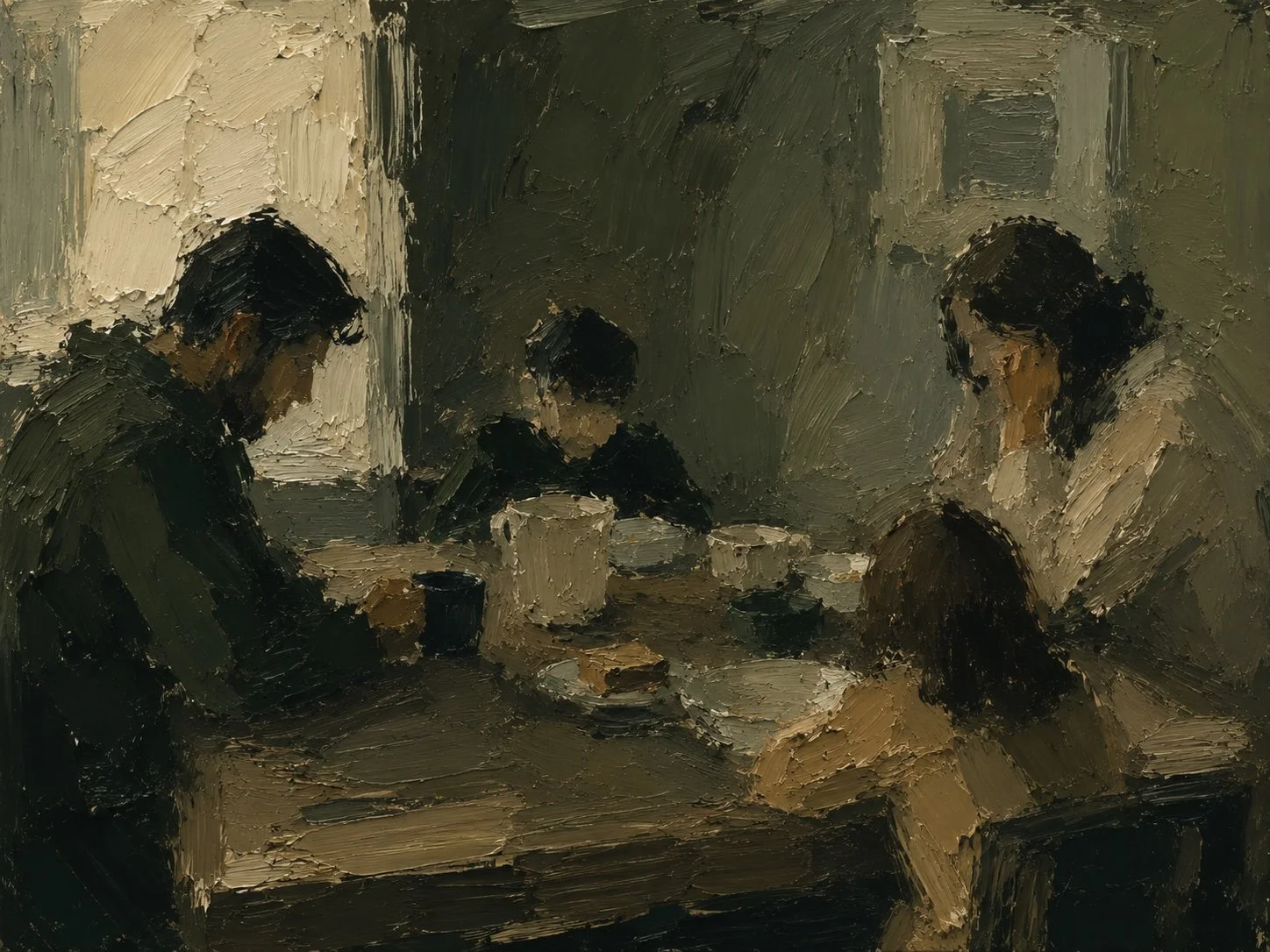
What Happens After Everything Changes
The problem is rarely that the major scene lacks intensity. More often, the manuscript has not allowed the characters enough time to absorb what has happened. They speak too neatly, recover too quickly, and make the next plot decision before the reader has felt the weight of the last one. This makes the story feel heavily plotted rather than really experienced. Book coaching services can help a writer notice where the manuscript has skipped an emotional beat, rushed a consequence, or treated a life-altering moment as though it were merely a plot checkpoint.
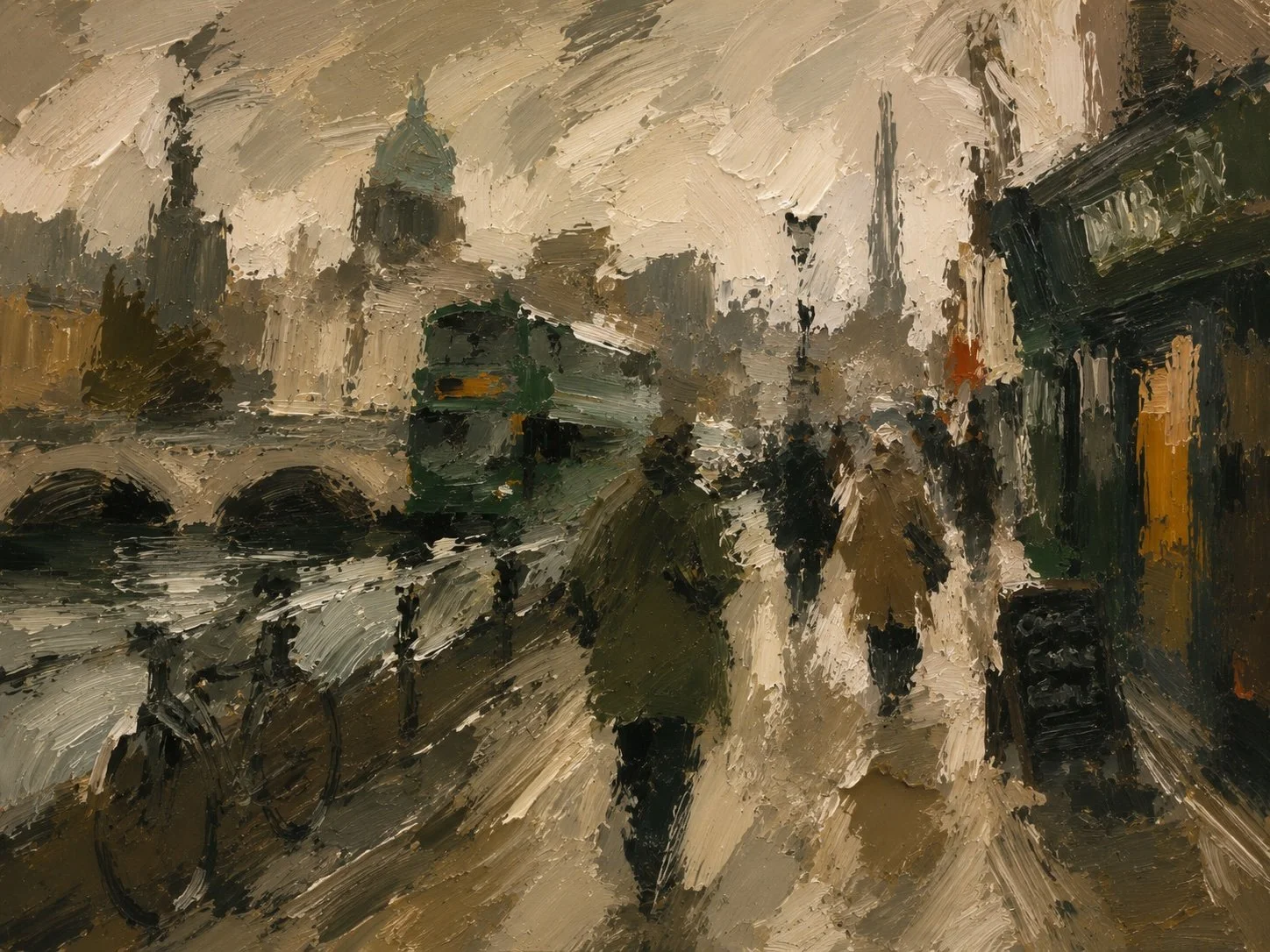
What Contemporary Irish Fiction Can Teach Writers About Voice and Social Change
Taken together, these writers illustrate how a body of literature can be analyzed as an ongoing conversation about a changing society. Contemporary Irish fiction encompasses a wide range of styles and perspectives, and that diversity is one of its greatest strengths. What connects them is the understanding that history is often felt most clearly in ordinary moments. Finding a skilled writing mentor can help a writer recognise the broader literary traditions their work belongs to and encourage a deeper understanding of craft.
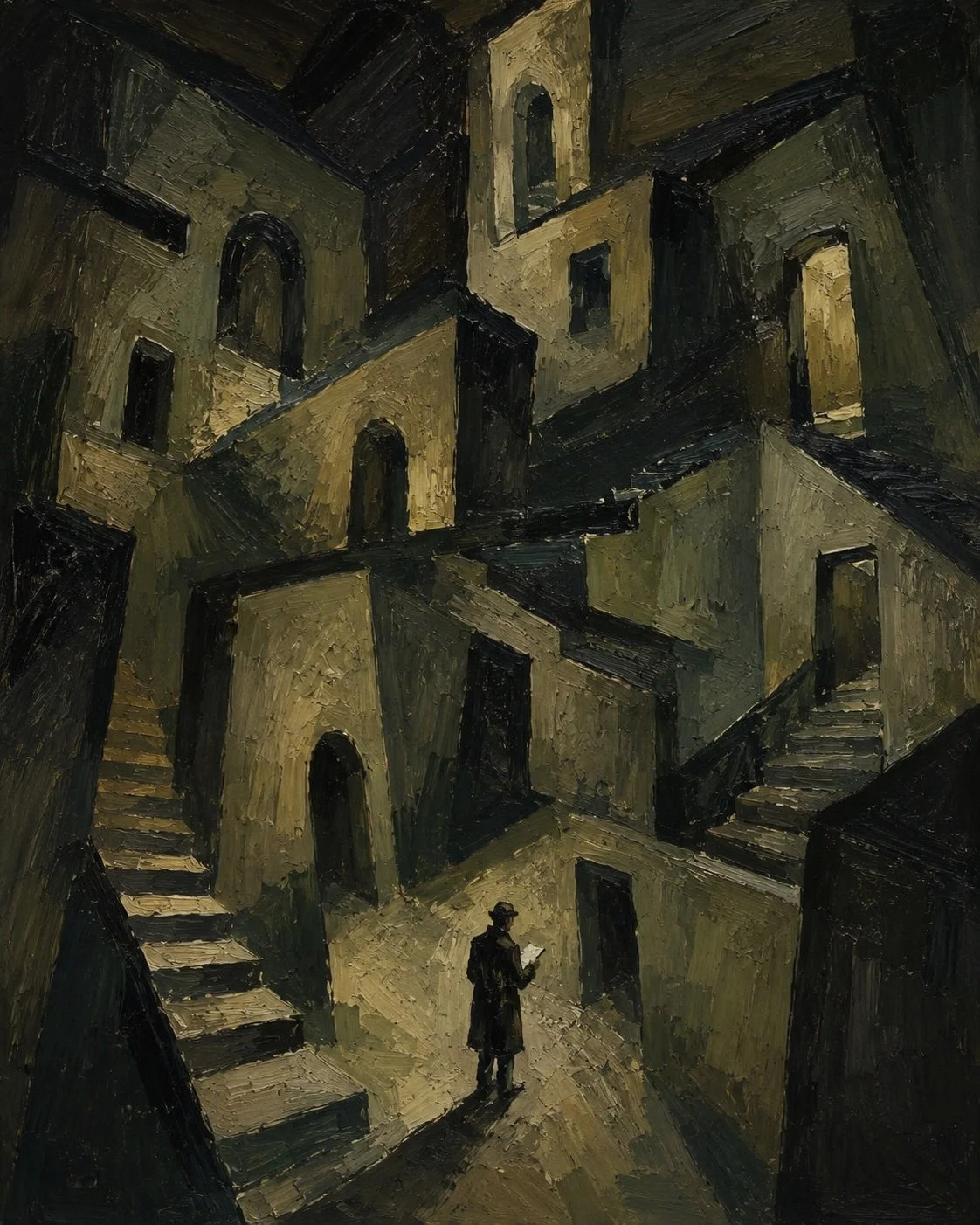
An Unreliable Atmosphere
If the writer explains too quickly, the spell breaks. If the writer withholds too much, the atmosphere becomes murky. A book writing coach can help identify where the draft needs a firmer concrete detail, where it needs less interpretation, and where a setting might carry more of the story’s emotional burden.
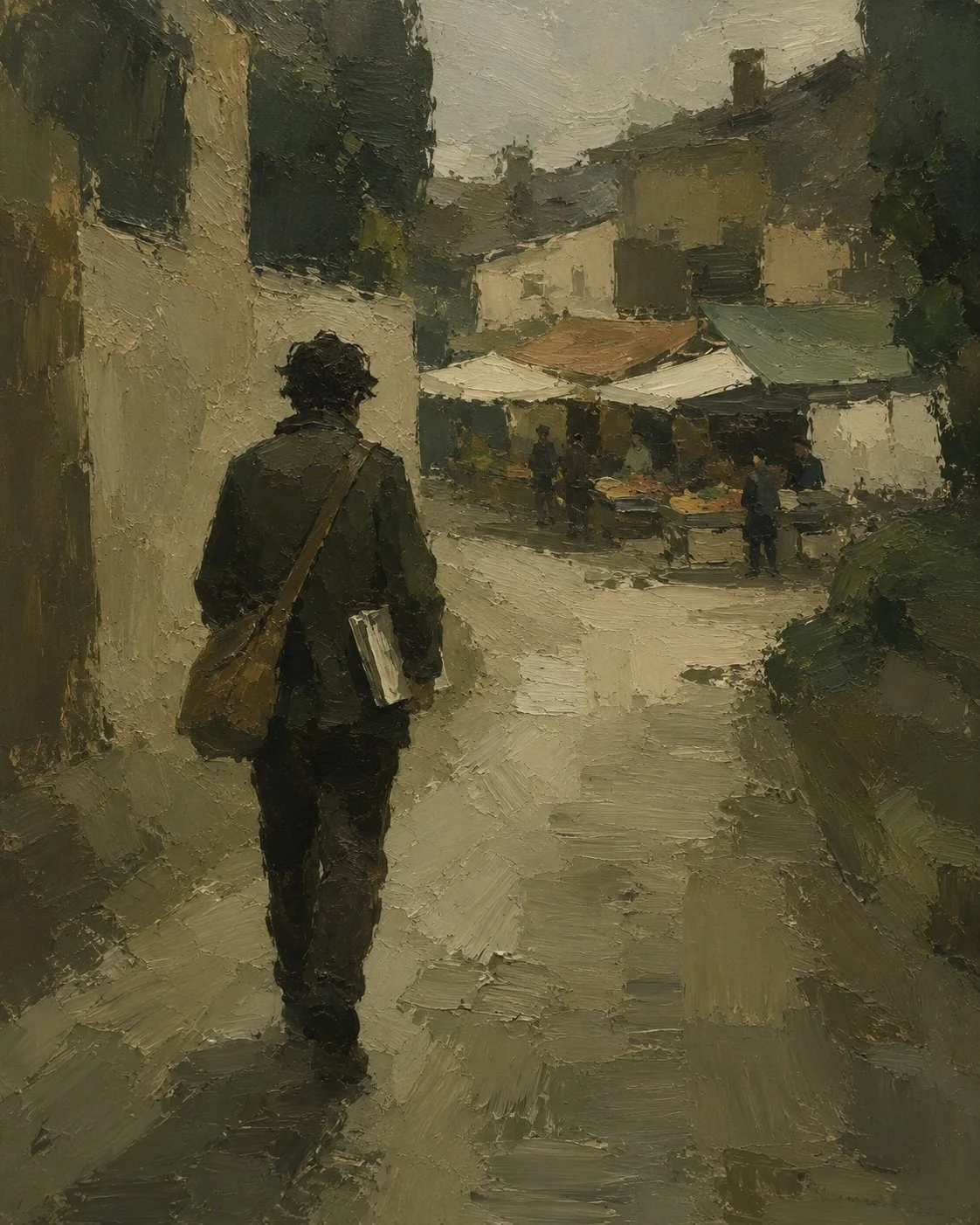
The Literature of Errands
Hiring a good writing coach can help a writer notice when a draft has become too internal, too static, or too dependent on explanation. Rather than simply saying, “Add more action,” a coach can help identify the kind of action the story actually needs. Sometimes the solution is not a major plot twist. The right small action can often release energy that was already present in the material.
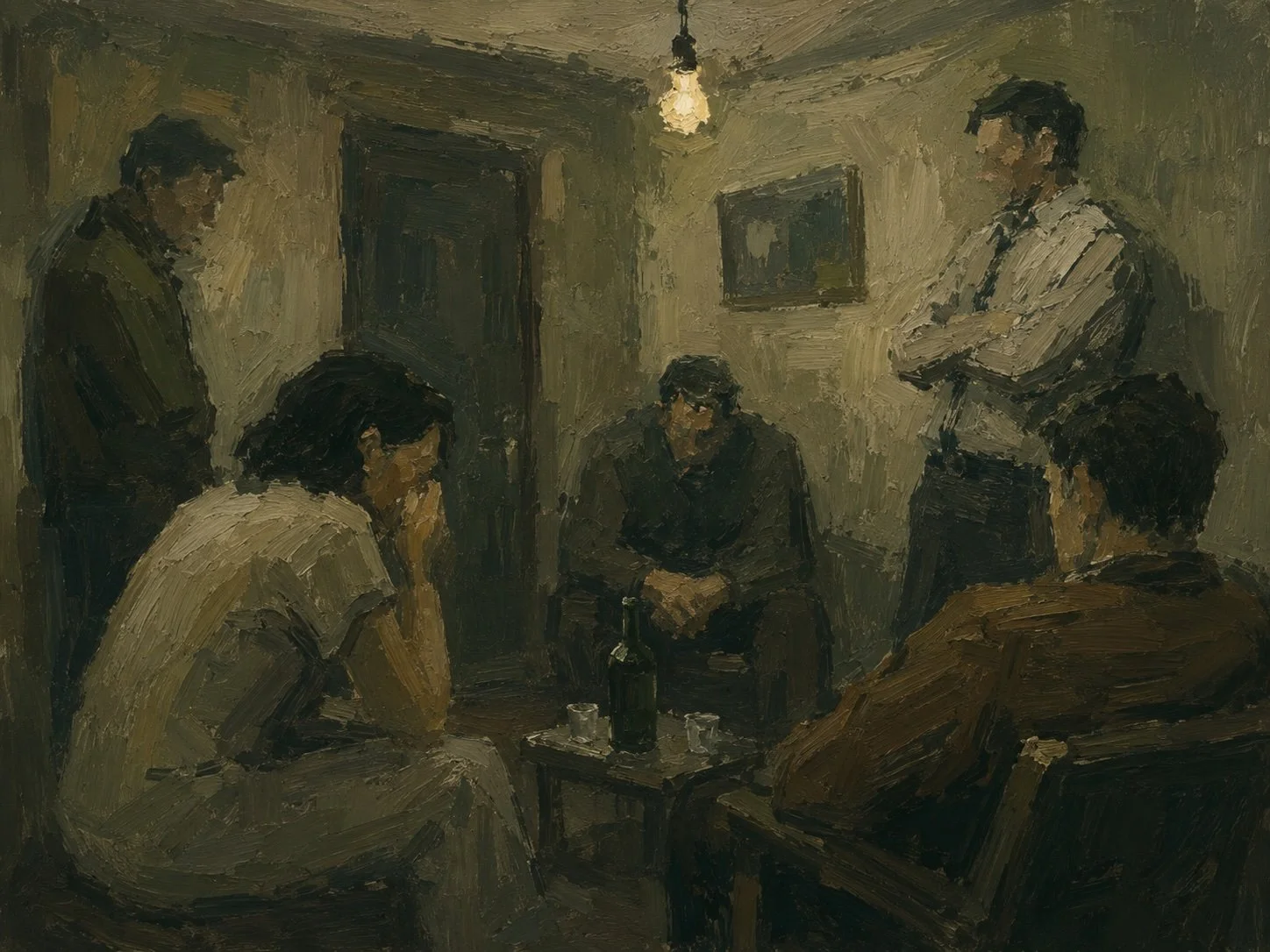
No Exit: Crafting the Bottle Episode
The bottle episode teaches economy. It asks the writer to look closely at what happens when characters cannot easily leave, change the subject, or distract themselves with action. Under those conditions, the drama has to come from behavior. For a writer developing a screenplay with a screenwriting consultant, few exercises are more revealing than placing characters in a confined situation and asking what they will do when the story stops giving them room to run.
The Literature of Inheritance: What Fiction Reveals About What We Receive
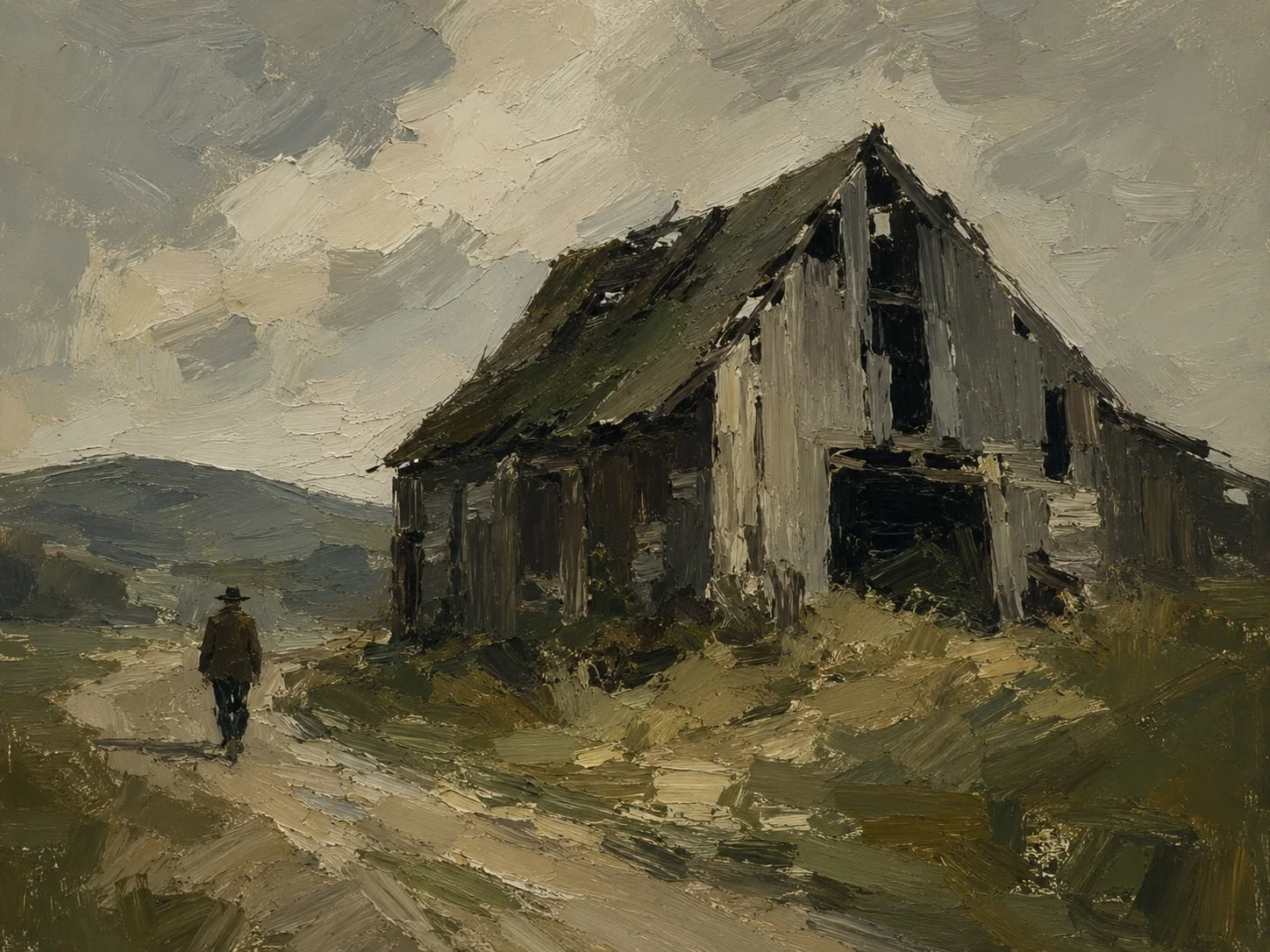
Manuscript critique services can be especially helpful for writers working with inheritance because the material often becomes dense quickly. Family stories naturally multiply. Backstory gathers around every character. Generations of history press against the present action. A skilled manuscript critique can help a writer see where the inheritance theme is alive on the page and where it has become explanatory or repetitive.
Remembering War: Writing Coaching for Veterans
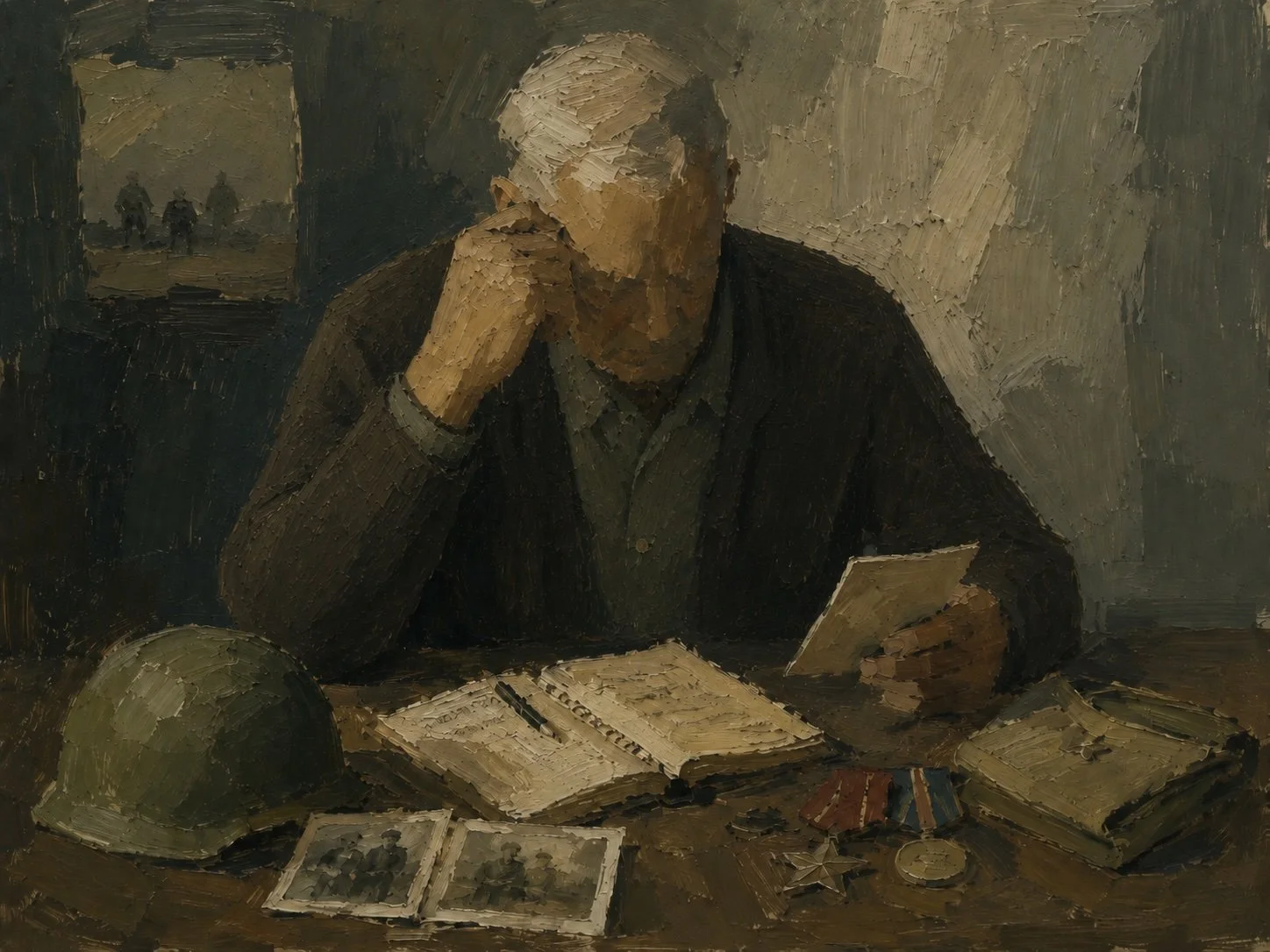
At its best, writing coaching gives veterans a serious, respectful space in which their experiences are treated as material worthy of art. The coach helps with scenes, structure, and revision, but the deeper work often involves permission: permission to begin badly, to write without knowing the final shape, to admit uncertainty, and to make something lasting from what has been carried in silence.
How to Write a Convincing Crowd Scene
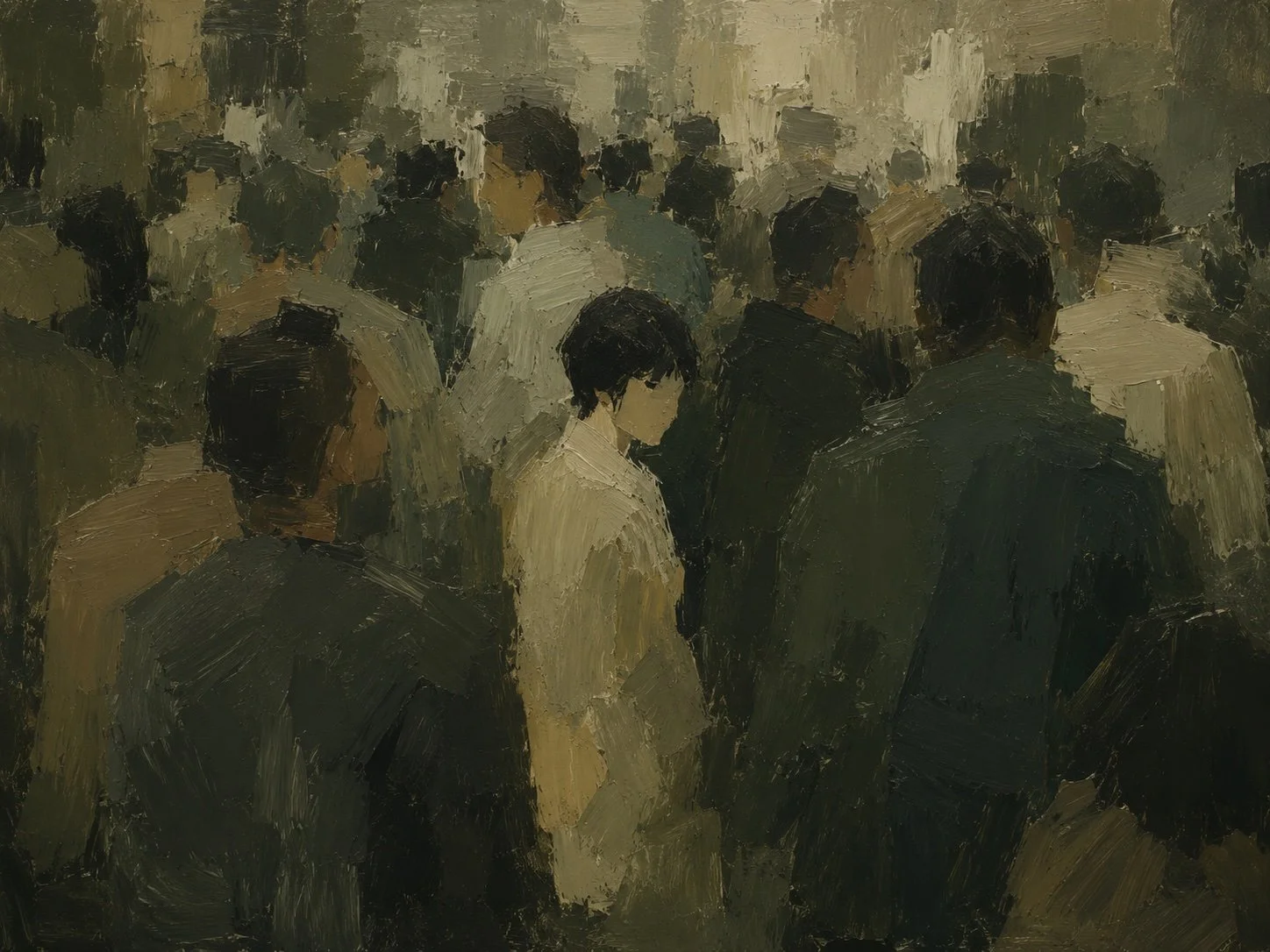
An author mentor can look at the manuscript as a whole and ask what the crowd scene is doing. If the purpose is strong, manuscript assessment can help the writer sharpen the tools that serve that purpose: fewer named characters, more selective sensory detail, a clearer emotional lens, stronger entrances and exits, and a better balance between collective motion and individual focus.
The Edges of a Scene
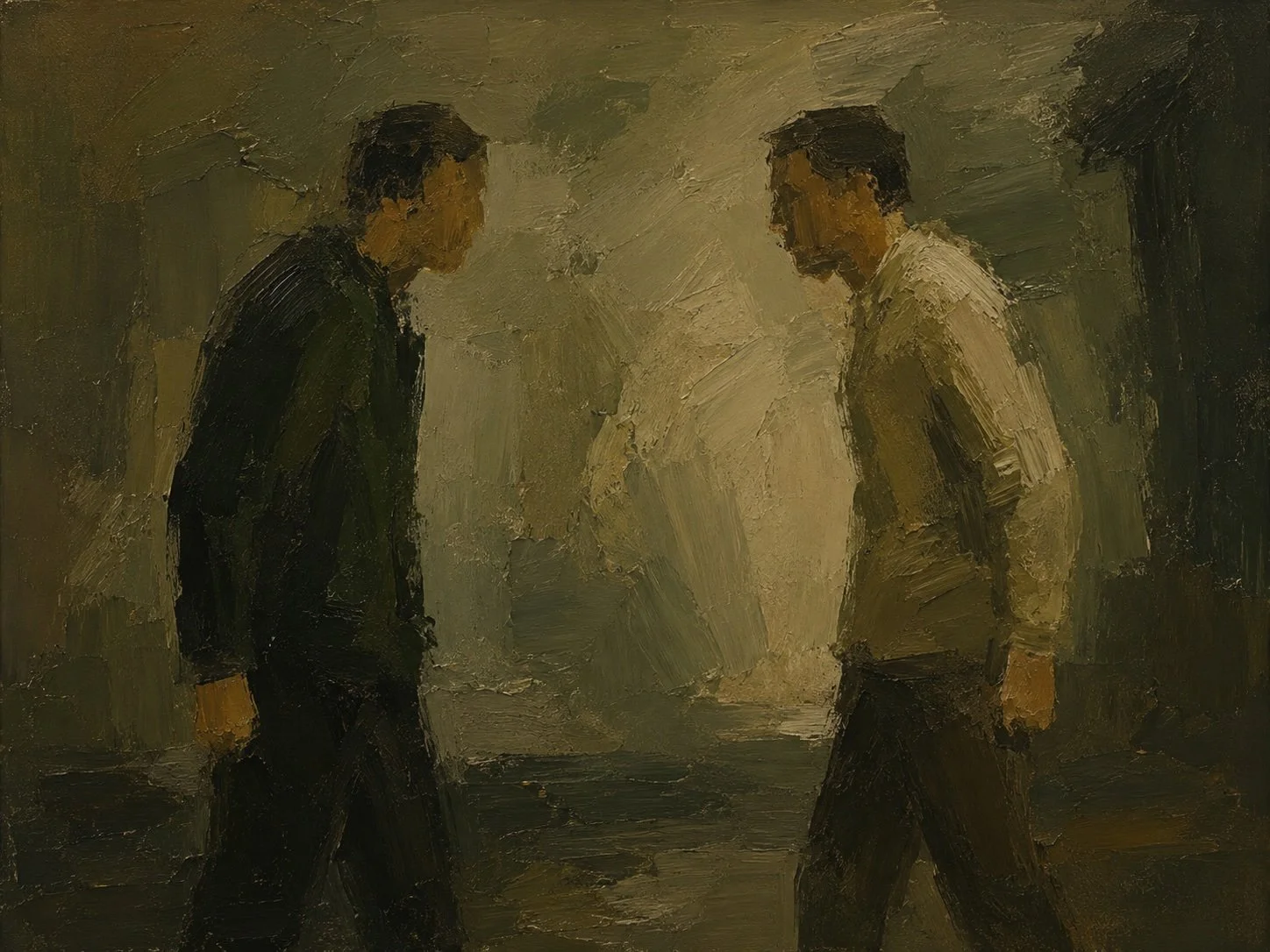
Writers are often attached to the path they took to discover a scene. They remember why the character walked into the room, what happened five minutes earlier, and what the scene means in the larger design. Because the writer carries all of that context internally, it can be difficult to see where the reader’s experience actually begins. A creative writing coach can mark the moment when the scene starts to generate energy and point out where the prose begins to overstay its welcome.v

Fiction and the Problem of Other Minds
Book coaching services can help a writer examine whether a manuscript’s point of view is doing the work the story requires. Sometimes the issue is over-explanation: the writer distrusts the reader and translates every gesture into psychological commentary. Sometimes the issue is underdevelopment: a secondary character exists only to serve the protagonist’s arc, without a convincing inner life of their own.

The Restless Imagination of Argentine Literature
For writers today, the Argentine literary tradition shows how fiction can draw from oral culture, philosophy, and myth without feeling confined to one method. A fiction writing coach can help contemporary writers study this tradition closely while still developing work that belongs to their own lives.
Writing the Fractured Self
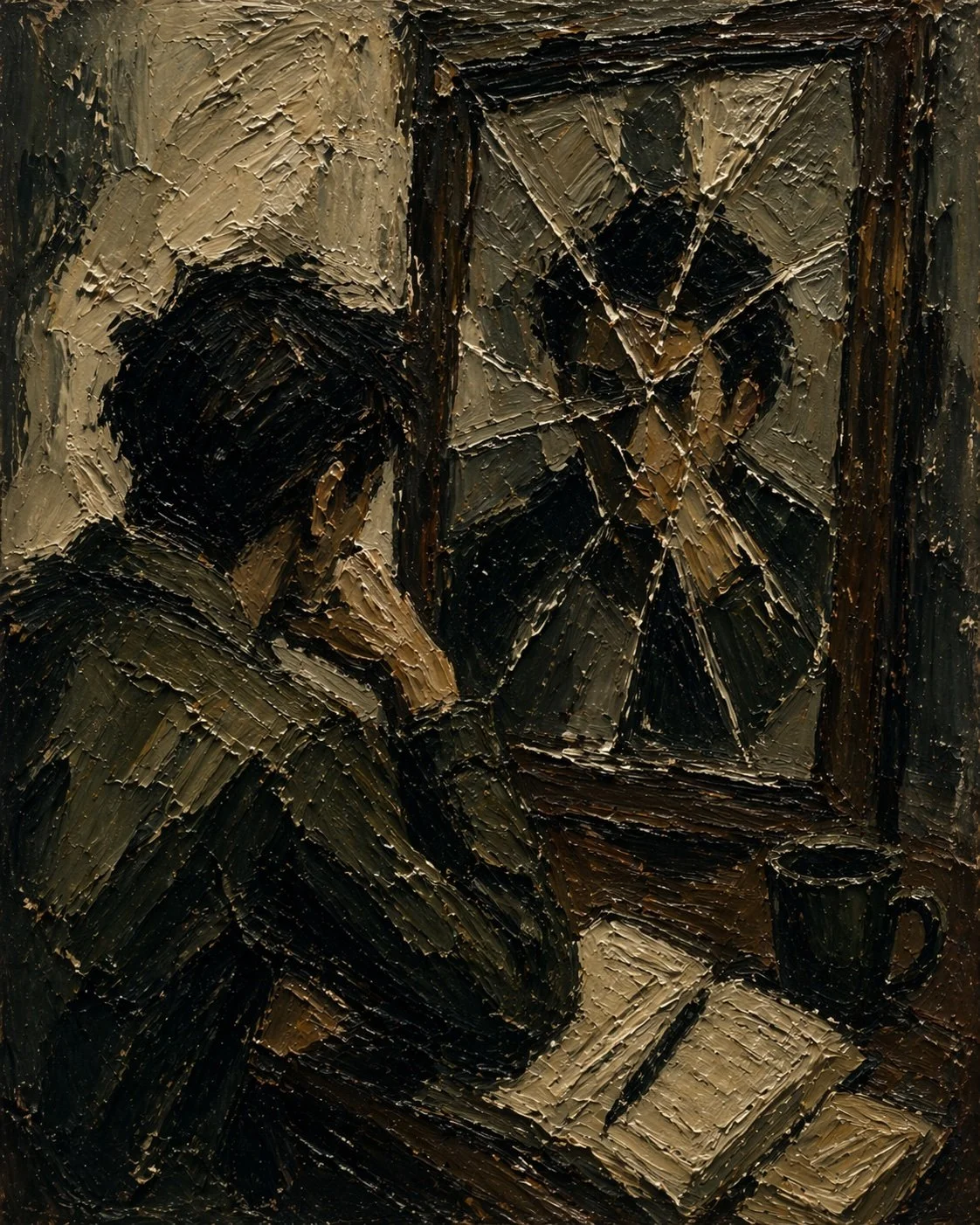
Many writers sense that a character feels flat or overdetermined, but they do not yet know why. Often, the problem is that the character has not been imagined deeply enough as a person with competing pressures and unstable self-understanding. Author mentorship can help a writer move beyond abstract ideas about a character’s inner world to dramatize those states in scene.
The Difficult-to-Know Character in Fiction
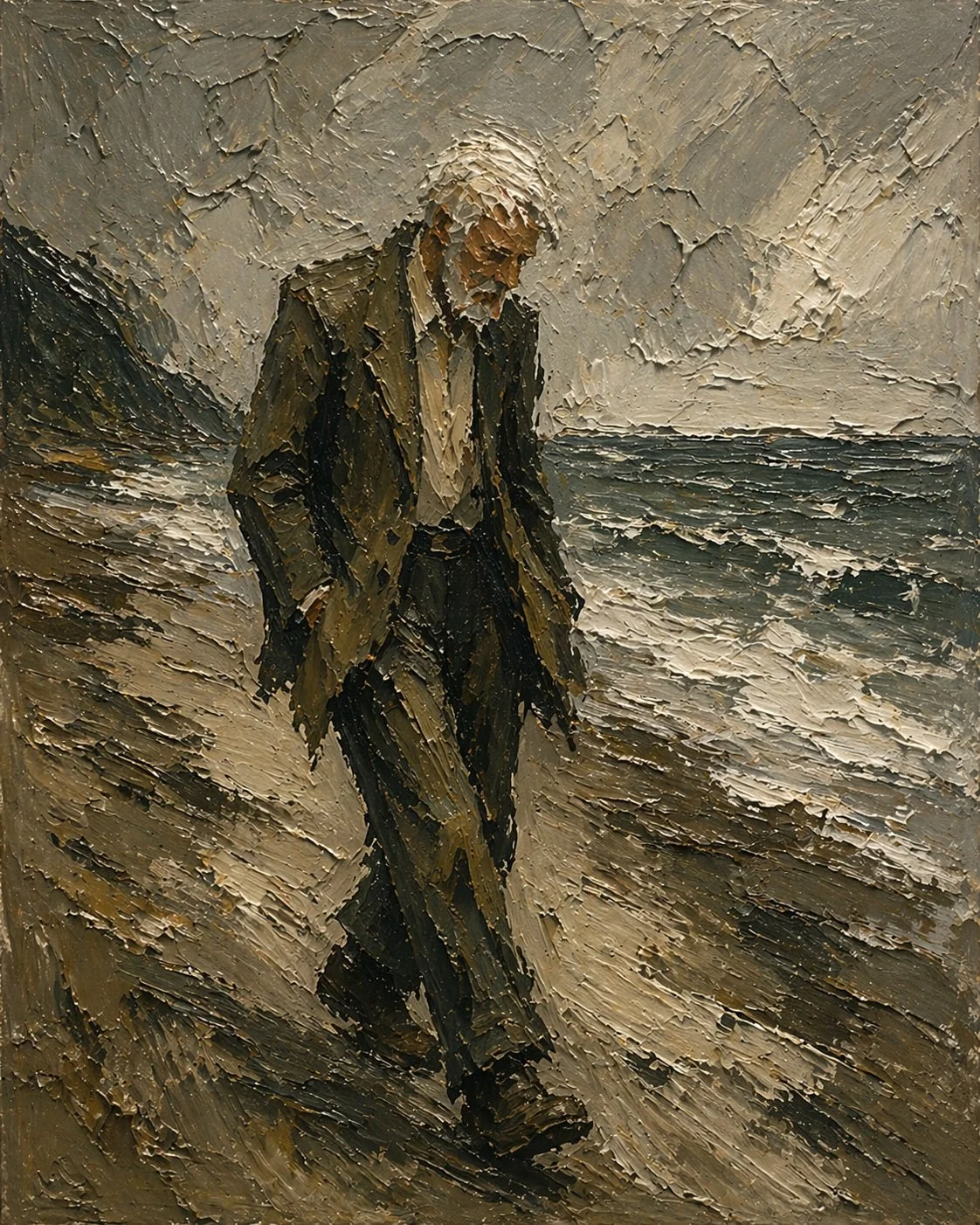
A writer may sense that a character should remain partly withheld, but not yet know how to control that withholding. A book writing consultant can help the writer see the difference between useful mystery and accidental vagueness.

Can Talent Be Taught?
The question itself does not resolve neatly. Some people begin with stronger instincts than others. But the ability to deepen those instincts, to make them reliable and durable, is far more responsive to teaching than the word “talent” suggests. A good writing coaching practice keeps both truths in view and stays close to the work, where change, when it happens, can actually be seen.
What Pacing Really Means at the Sentence Level
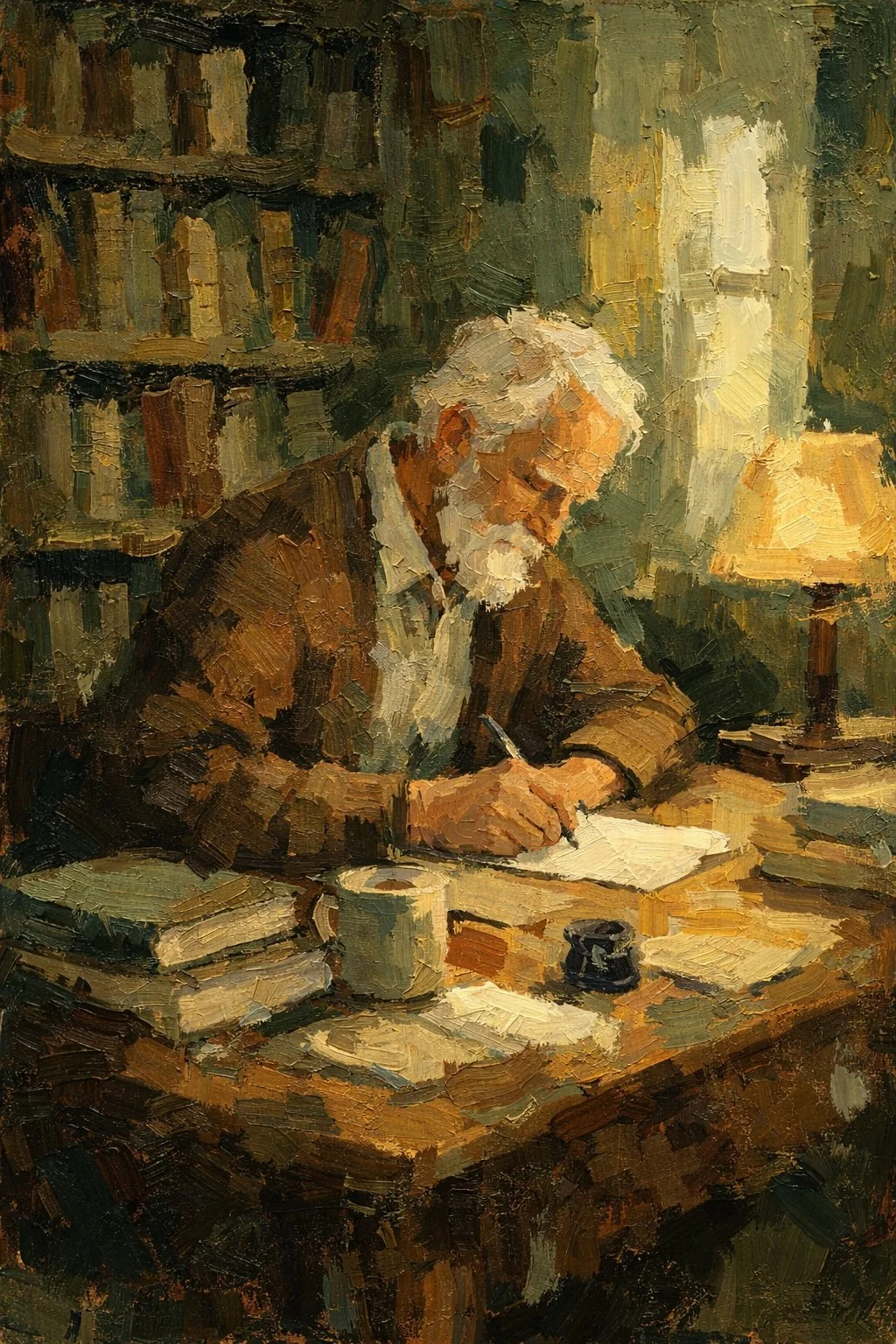
When a novel feels compelling despite a lack of overt action, it is often because the sentences are continuously adjusting the reader’s orientation. For writers, this raises a practical question: How can one tell whether a passage is generating movement or merely occupying space? A fiction writing coach looks closely at how sentences function within a paragraph and how paragraphs relate to one another.

The Narrative Lives of Recurring Objects
Manuscript critique services also help align objects with the larger structure of the novel. An object tied to an early desire can return near the end under conditions that expose the limits of that desire. An object associated with one character can pass into another character’s hands, shifting its meaning through that transfer.

How Writers Guide and Misguide the Reader
Writers tend to miss these moments because they know the underlying structure of the story. They can see the full pattern, so it is easy to assume that the reader will see it as well. An outside reader does not have that advantage. A writing coach or manuscript consultant reads the draft as it stands, forming expectations in real time.