

Welcome to our informational blog.
Topics covered include literary theory and practice, academic writing techniques, philosophy of education, and explanations of our methods for strengthening creative intelligence.
Learning Grammar from the Masters
For many people, grammar comes with a sense of anxiety—memories of red marks or rules that felt arbitrary. Literature offers a different way in. Instead of focusing on mistakes, it shows what’s possible. A fragment might be marked wrong in a worksheet, but in a novel it can convey urgency or emotion. A semicolon might seem unnecessary until you see how it connects two closely related thoughts. Grammar is often taught either too rigidly or too loosely, and it can be hard to connect the rules to actual writing. An online coach can help bridge that gap.
Federico García Lorca and the Poetics of Duende
It’s easy to be attracted to the dramatic elements of Lorca’s work, but harder to use them in a way that feels grounded and necessary. Without that grounding, the work can start to feel vague or overblown. A good creative writing mentor can help a writer figure out what’s genuinely coming from their own experience and what might just be a borrowed passion.
The Value of Being an Amateur
Many writers seek coaching when they have a powerful attachment to an idea but cannot yet see the book’s shape. A book writing coach helps the writer ask what the material is asking of them. The writer begins to see which scenes carry energy, which ideas are repeated without development, and where the manuscript is avoiding its own deepest subject.

What Happens After Everything Changes
The problem is rarely that the major scene lacks intensity. More often, the manuscript has not allowed the characters enough time to absorb what has happened. They speak too neatly, recover too quickly, and make the next plot decision before the reader has felt the weight of the last one. This makes the story feel heavily plotted rather than really experienced. Book coaching services can help a writer notice where the manuscript has skipped an emotional beat, rushed a consequence, or treated a life-altering moment as though it were merely a plot checkpoint.
The Art of Entering a Difficult Book
A book coach can also help distinguish between two different kinds of confusion. Some confusion comes from gaps in knowledge, whether that’s historical context, unfamiliar vocabulary, unusual syntax, or an unfamiliar literary style. Those obstacles can often be addressed directly. But other forms of confusion are built into the book itself. In those cases, the challenge isn't to eliminate uncertainty but to learn how to read through it.
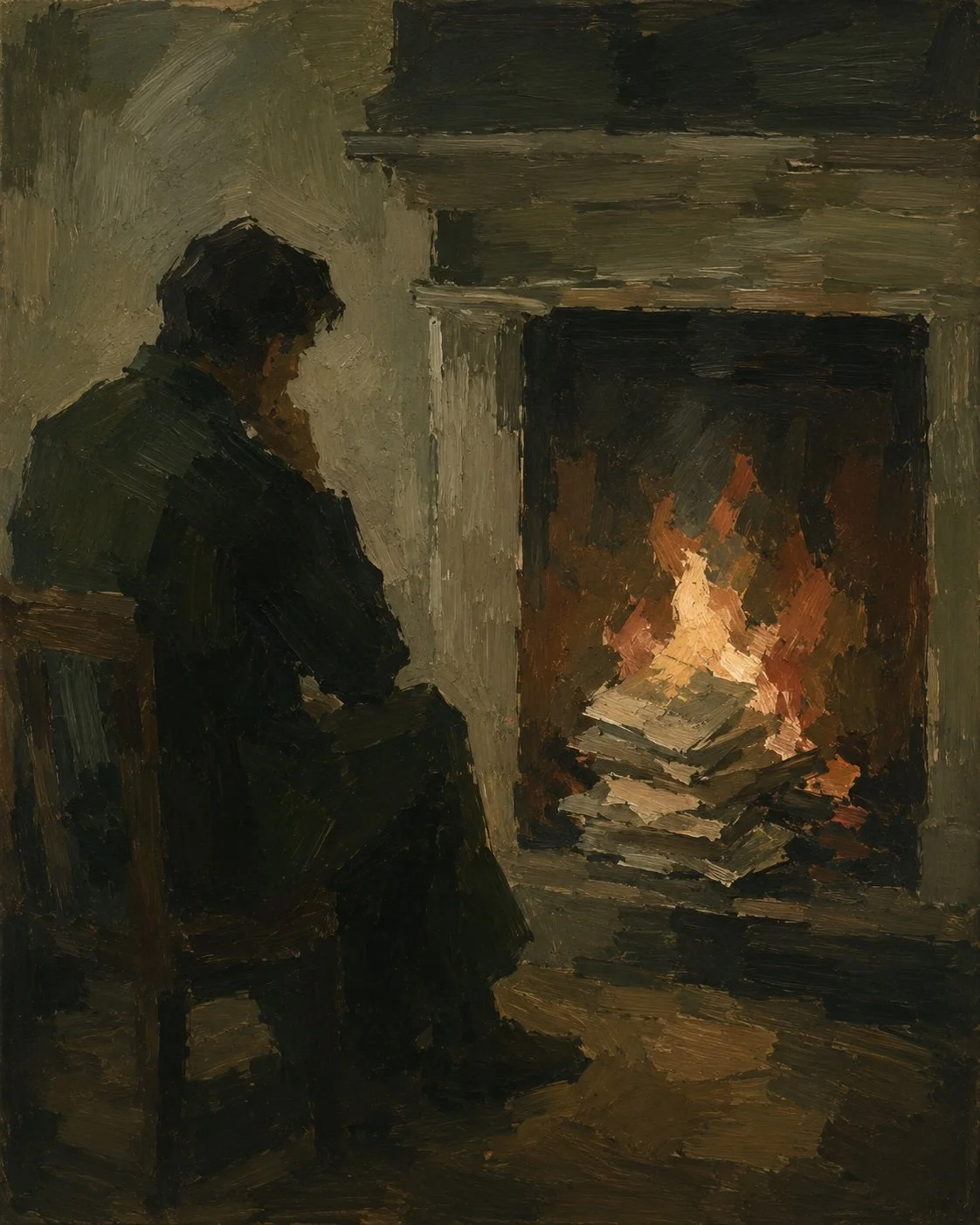
Learning to Unlearn: What Writers Must Leave Behind
Unlearning is personal. General advice can only go so far because writers are blocked by different habits. One writer may need to loosen control, while another needs to develop structure. A one-on-one writing coaching relationship allows these patterns to become visible over time.
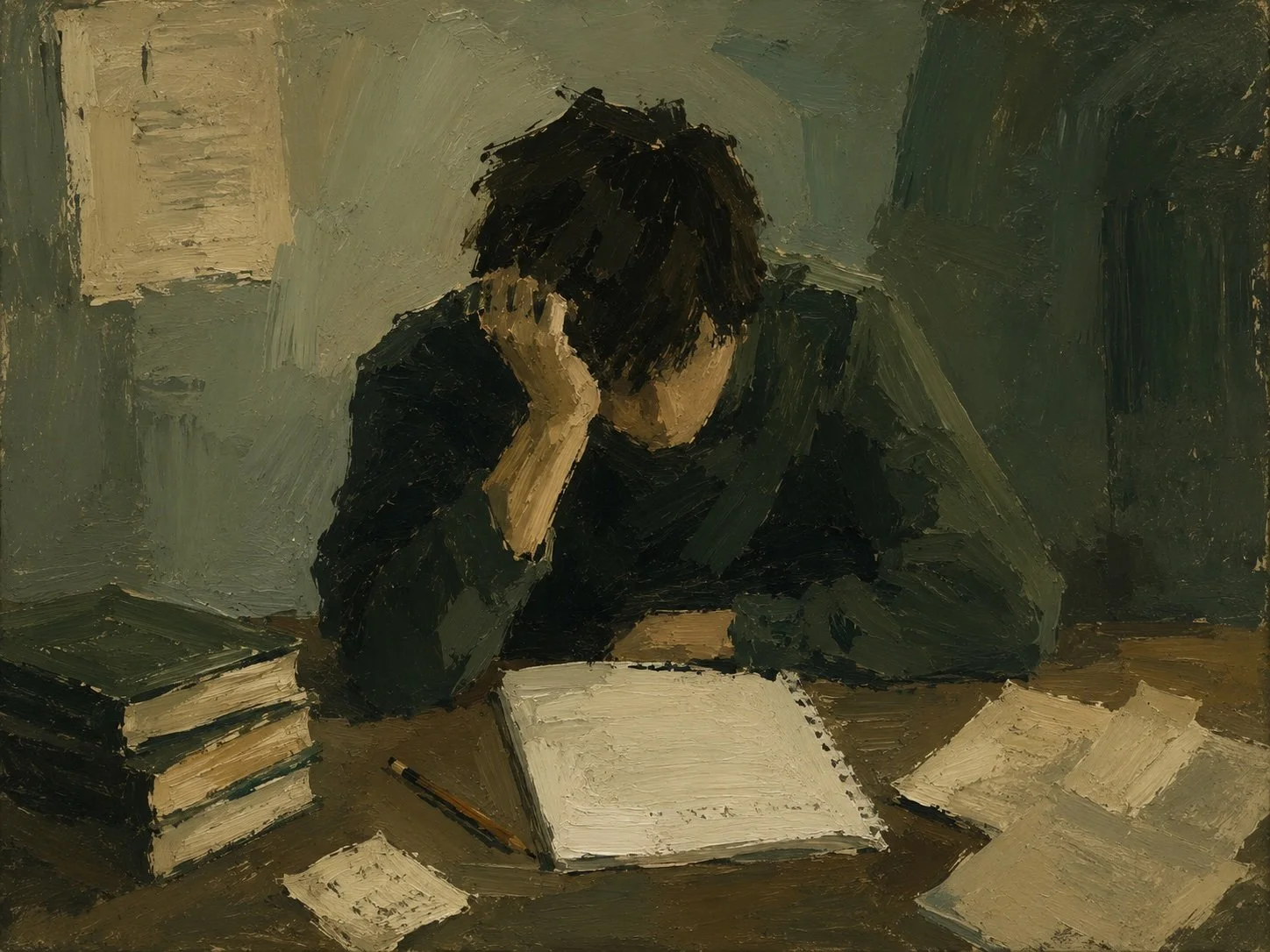
Writing Tutoring for Students Who Hate Writing
The value of one-on-one support is that it allows the tutor to find the exact place where the process breaks down. Some students have plenty to say, but they cannot organize their thoughts. Others understand the reading, but freeze when asked to build an argument. A classroom teacher may recognize these problems, but a teacher has many students at once. A tutor can slow down and work beside the student through the actual difficulty.
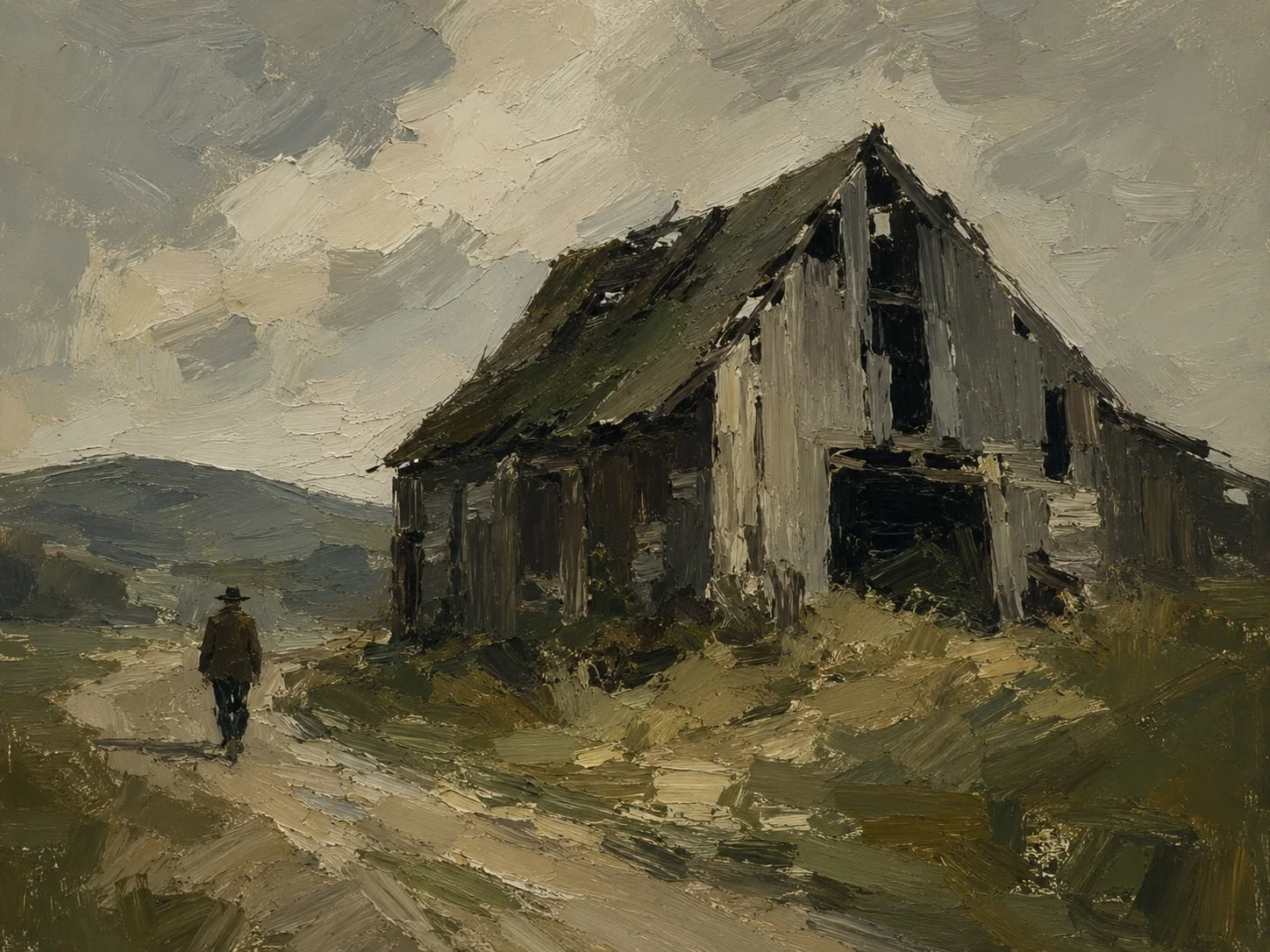
The Literature of Inheritance: What Fiction Reveals About What We Receive
Manuscript critique services can be especially helpful for writers working with inheritance because the material often becomes dense quickly. Family stories naturally multiply. Backstory gathers around every character. Generations of history press against the present action. A skilled manuscript critique can help a writer see where the inheritance theme is alive on the page and where it has become explanatory or repetitive.
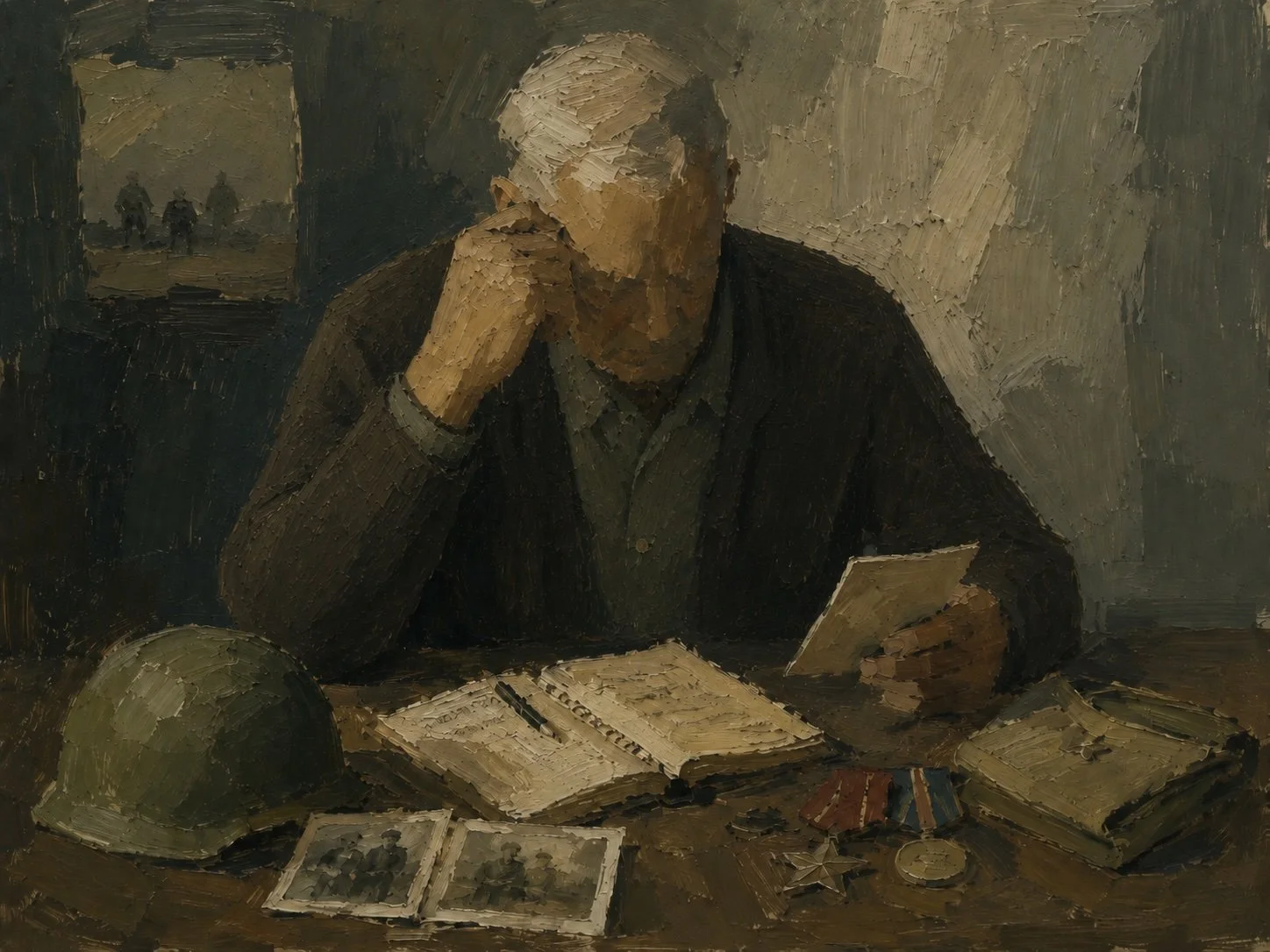
Remembering War: Writing Coaching for Veterans
At its best, writing coaching gives veterans a serious, respectful space in which their experiences are treated as material worthy of art. The coach helps with scenes, structure, and revision, but the deeper work often involves permission: permission to begin badly, to write without knowing the final shape, to admit uncertainty, and to make something lasting from what has been carried in silence.

Desire and the Borrowed Self
In early drafts, writers often know what their protagonists want, but the desire may remain too general. The manuscript may say that a character wants love or recognition, but the scenes may not yet show the social origins of that desire. A careful manuscript critique can identify where the central longing needs to be developed.

Fiction and the Problem of Other Minds
Book coaching services can help a writer examine whether a manuscript’s point of view is doing the work the story requires. Sometimes the issue is over-explanation: the writer distrusts the reader and translates every gesture into psychological commentary. Sometimes the issue is underdevelopment: a secondary character exists only to serve the protagonist’s arc, without a convincing inner life of their own.
How Language Forms Perception
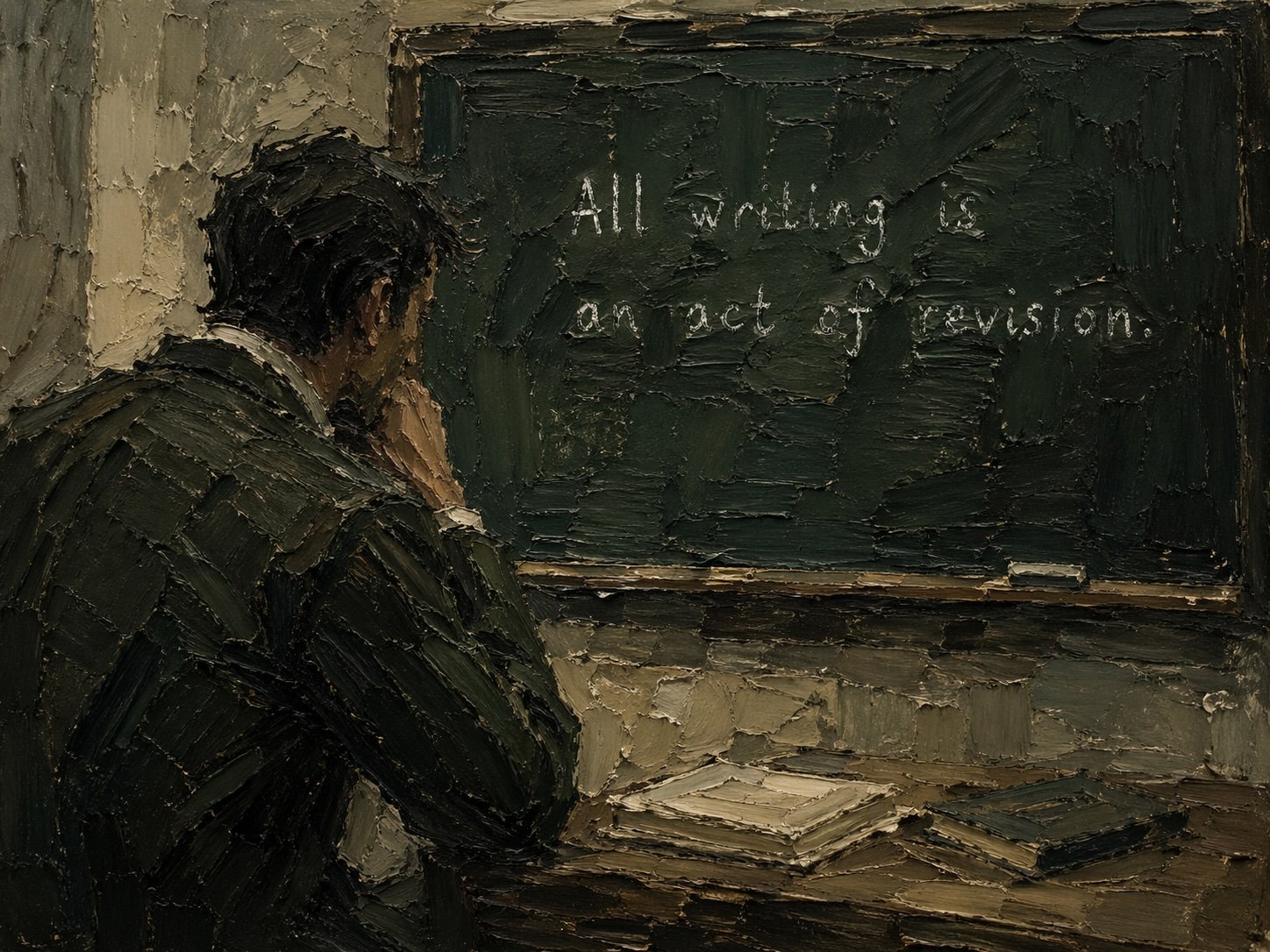
Hiring a writing coach can help writers hear what the sentences are already trying to do, and where they are failing to do it fully. A good coach notices when every sentence carries the same beat regardless of the emotional situation, and they can point out when the prose sounds competent on the surface but does not yet think on the page.
Writing the Fractured Self
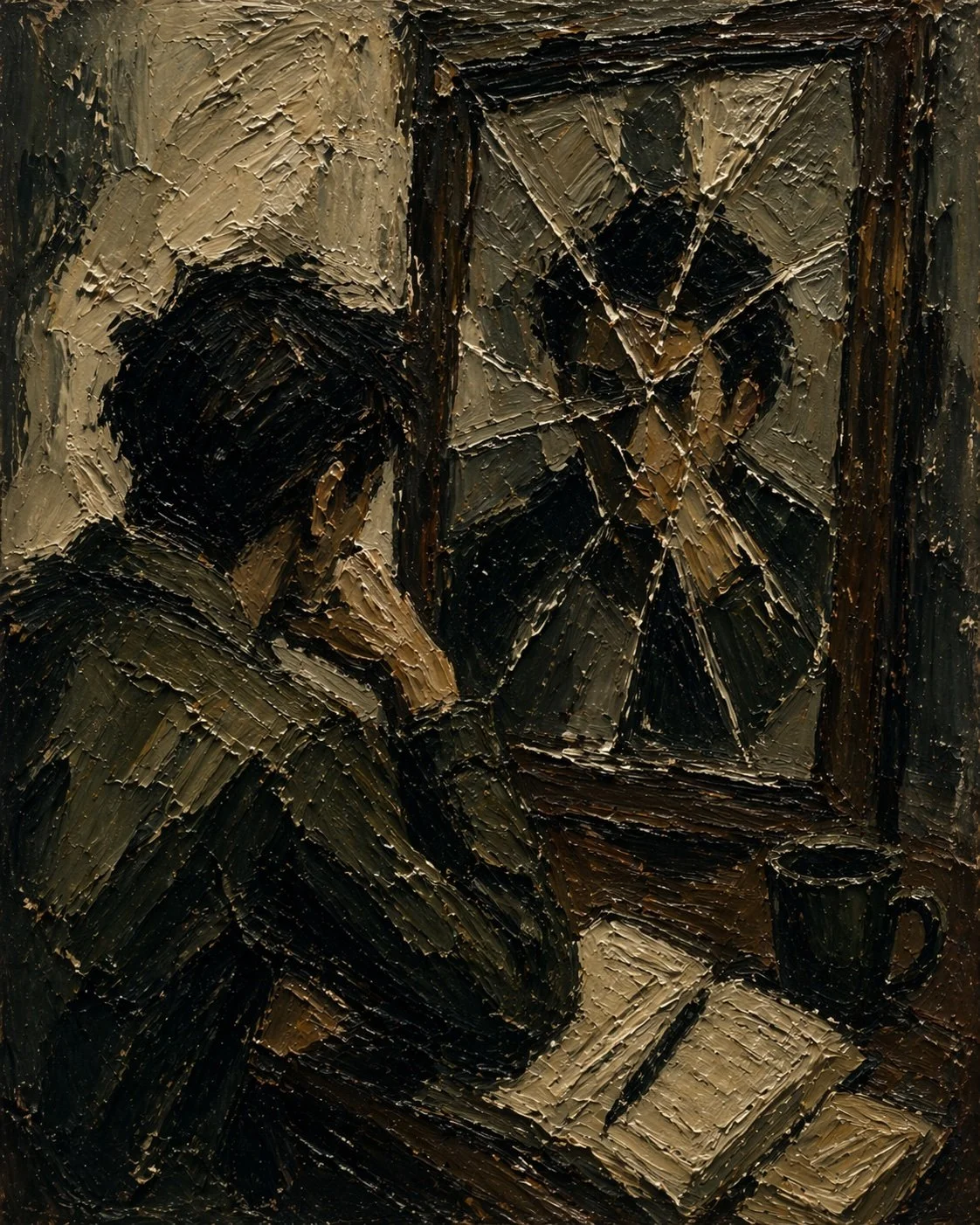
Many writers sense that a character feels flat or overdetermined, but they do not yet know why. Often, the problem is that the character has not been imagined deeply enough as a person with competing pressures and unstable self-understanding. Author mentorship can help a writer move beyond abstract ideas about a character’s inner world to dramatize those states in scene.

The Writer’s Eye: Beauty and Taste in Literature
Learning to write well means learning to perceive well. It involves refining one’s sense of what has life, what has shape, and what can endure. That process is usually strengthened by conversation with serious readers, teachers, and mentors who can help bring instinct into clearer focus.

The Problem of Overplotting
Transitions can remain slightly porous, permitting one thread to bleed into another. At the sentence level, a writer might favor structures that delay resolution, introduce qualifiers, and allow perception to shift midstream. A book writing consultant might point to a moment where a character makes a decision and suggest introducing a competing impulse that remains unresolved.
The Limits of Knowledge in Fiction
What matters is how clearly the limits of knowledge are defined for each character. When those limits are specific, the reader can follow the logic of what is known and what remains out of reach. When they are not, the narrative starts to drift. The work of a literary coach tends to focus on clarifying what each character knows at a given moment and how that knowledge shapes their decisions.
The Role of Curiosity in Writing Instruction
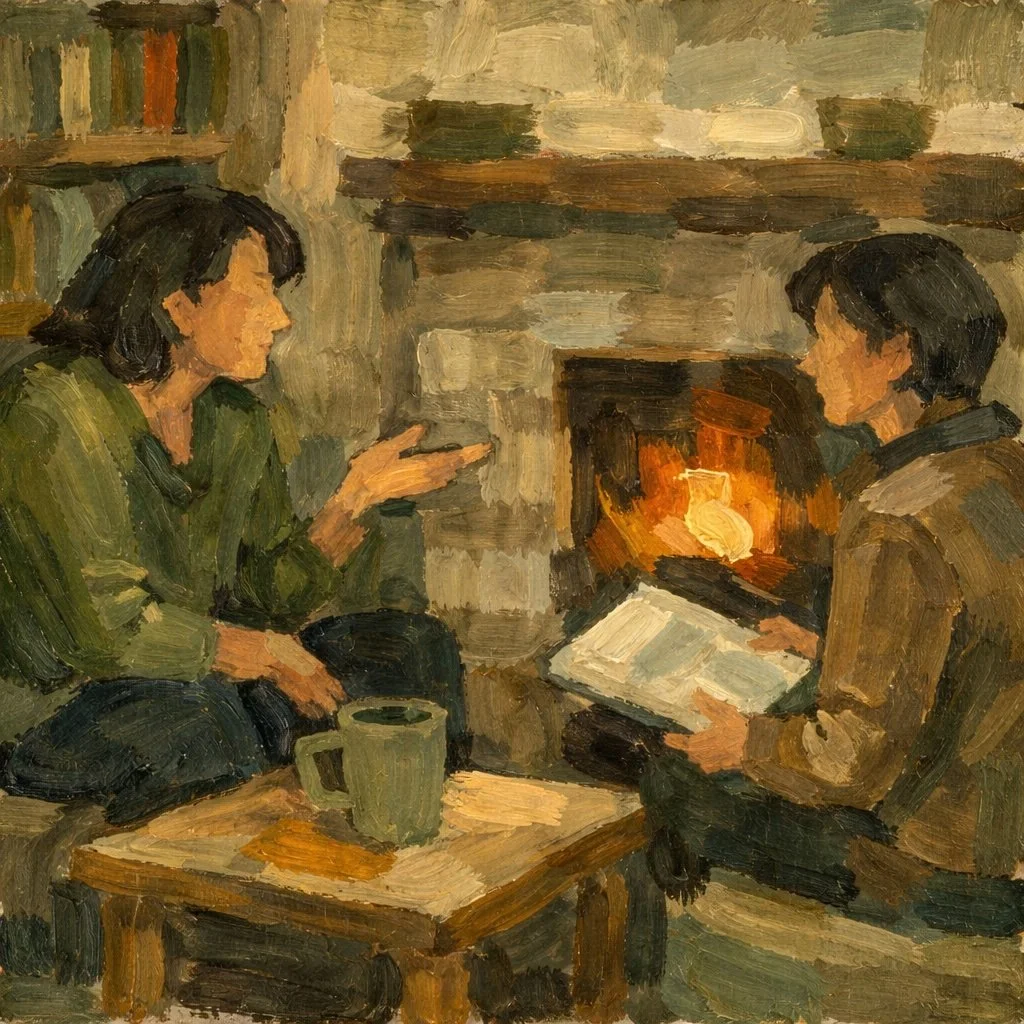
When a tutor approaches a draft with the goal of understanding it rather than correcting it, the session begins in an entirely different spirit, one that turns the conversation toward discovery. Instead of treating the text as a problem that must be fixed, a writing coach begins by asking questions that help reveal what the writer is trying to explore.

The Roots of the Philosophical Essay
Philosophical essays often begin with fragments: an entry in a notebook, a remembered image, a question that refuses to settle. Turning those fragments into a coherent piece requires patience and close attention to structure. A one-on-one writing coach works with the author to identify the central thread of inquiry running through the draft.
Mentorship as Apprenticeship in an Anti-Apprenticeship Age
When a writer works alone, it is often easy to drift. Drafts accumulate without pressure to revise them fully. Author mentorship introduces a witness, someone who expects to see the next version and who will read it closely. That steady presence can be essential to cultivating a disciplined writing practice.
Rilke’s Letters and the Education of the Poet
The letters themselves demonstrate a paradox: the ethos of creative solitude is taught through relationship. Effective author mentorship, especially in poetry, involves holding two commitments at once. On one level, the mentor offers concrete guidance about structure, image, rhythm, and revision. On another level, the mentor protects the writer’s interior space.