

Welcome to our informational blog.
Topics covered include literary theory and practice, academic writing techniques, philosophy of education, and explanations of our methods for strengthening creative intelligence.
The Inner Life of Rooms
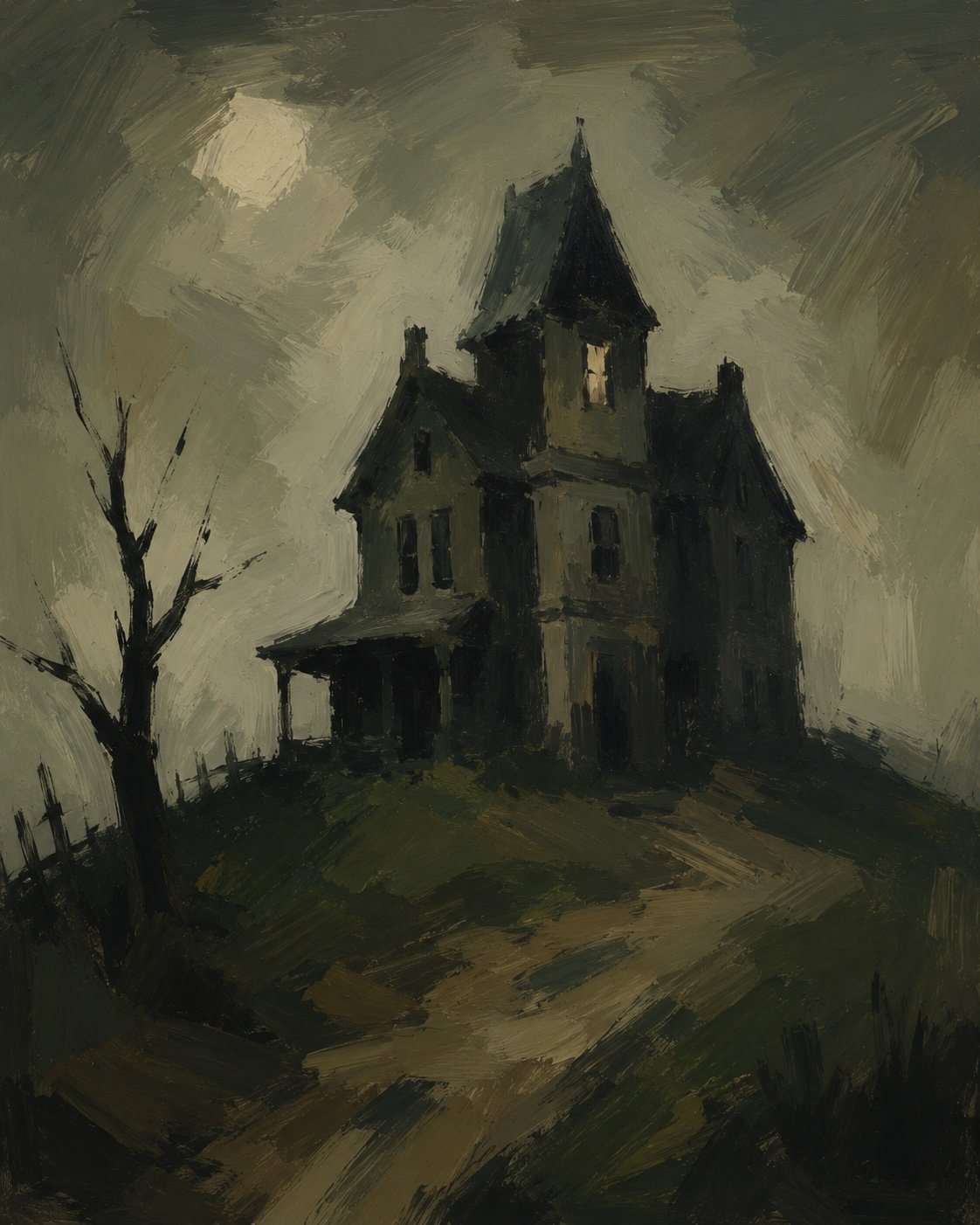
A setting is most meaningful when it reveals something about the people who inhabit it. Many writers have a clear picture of a setting but are less certain about its narrative function. A porch, kitchen, study, bedroom, or shed may be vividly described, yet its role in the story may remain underdeveloped. Manuscript consultation with a book coach can help identify which spaces carry emotional weight, which locations recur in meaningful ways, and how setting can support the larger structure of the manuscript.

The Character Who Cannot Apologize
A writer may know that one character owes another an apology, but in an early draft, the conflict can feel too explicit. Characters may explain themselves too neatly, saying exactly what they feel. Author coaching can help identify the smaller, more revealing details that surround an unspoken apology: a seat left empty at dinner, an overly thoughtful gift, or a sudden irritation when a certain topic arises.

What Happens After Everything Changes
The problem is rarely that the major scene lacks intensity. More often, the manuscript has not allowed the characters enough time to absorb what has happened. They speak too neatly, recover too quickly, and make the next plot decision before the reader has felt the weight of the last one. This makes the story feel heavily plotted rather than really experienced. Book coaching services can help a writer notice where the manuscript has skipped an emotional beat, rushed a consequence, or treated a life-altering moment as though it were merely a plot checkpoint.

Artistic Stagnation in the Bildungsroman
Stagnation sometimes comes from loyalty to the wrong version of the work. A writer may continue serving an outline that has stopped producing life. Sometimes the task is to ask what part of the project still carries energy, and what part has become an obligation to an older idea. The fiction writing mentor can help the writer see the nature of the block.

What Contemporary Irish Fiction Can Teach Writers About Voice and Social Change
Taken together, these writers illustrate how a body of literature can be analyzed as an ongoing conversation about a changing society. Contemporary Irish fiction encompasses a wide range of styles and perspectives, and that diversity is one of its greatest strengths. What connects them is the understanding that history is often felt most clearly in ordinary moments. Finding a skilled writing mentor can help a writer recognise the broader literary traditions their work belongs to and encourage a deeper understanding of craft.

How Writers Create a Sense of Fate
A book writing consultant can be especially useful here because fate is often difficult for the writer to see from inside the manuscript. The author may know what happens, but may not yet know whether the events feel earned. A consultant can look at the draft’s repetitions, symbols, turning points, and buried tensions, then help identify which elements are carrying genuine force and which ones need more development.
The Strange Seriousness of Nonsense in Children’s Literature
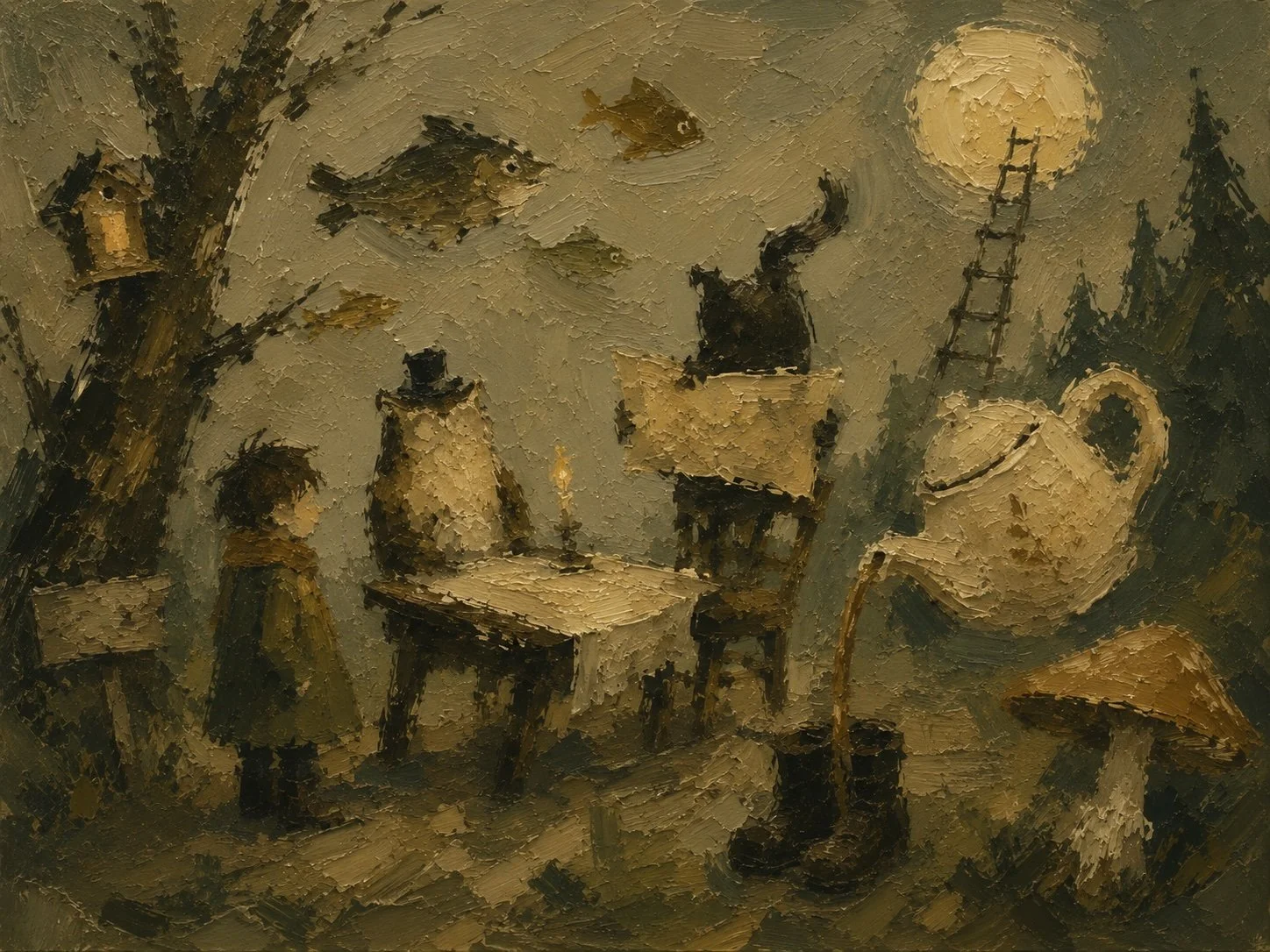
Imagination becomes more powerful when it works within some kind of framework. Freedom, in these works, exists inside the pattern rather than outside it. Literary mentorship can deepen that understanding.
The Fiction of Ordinary Days: Routine in Coming-of-Age Stories
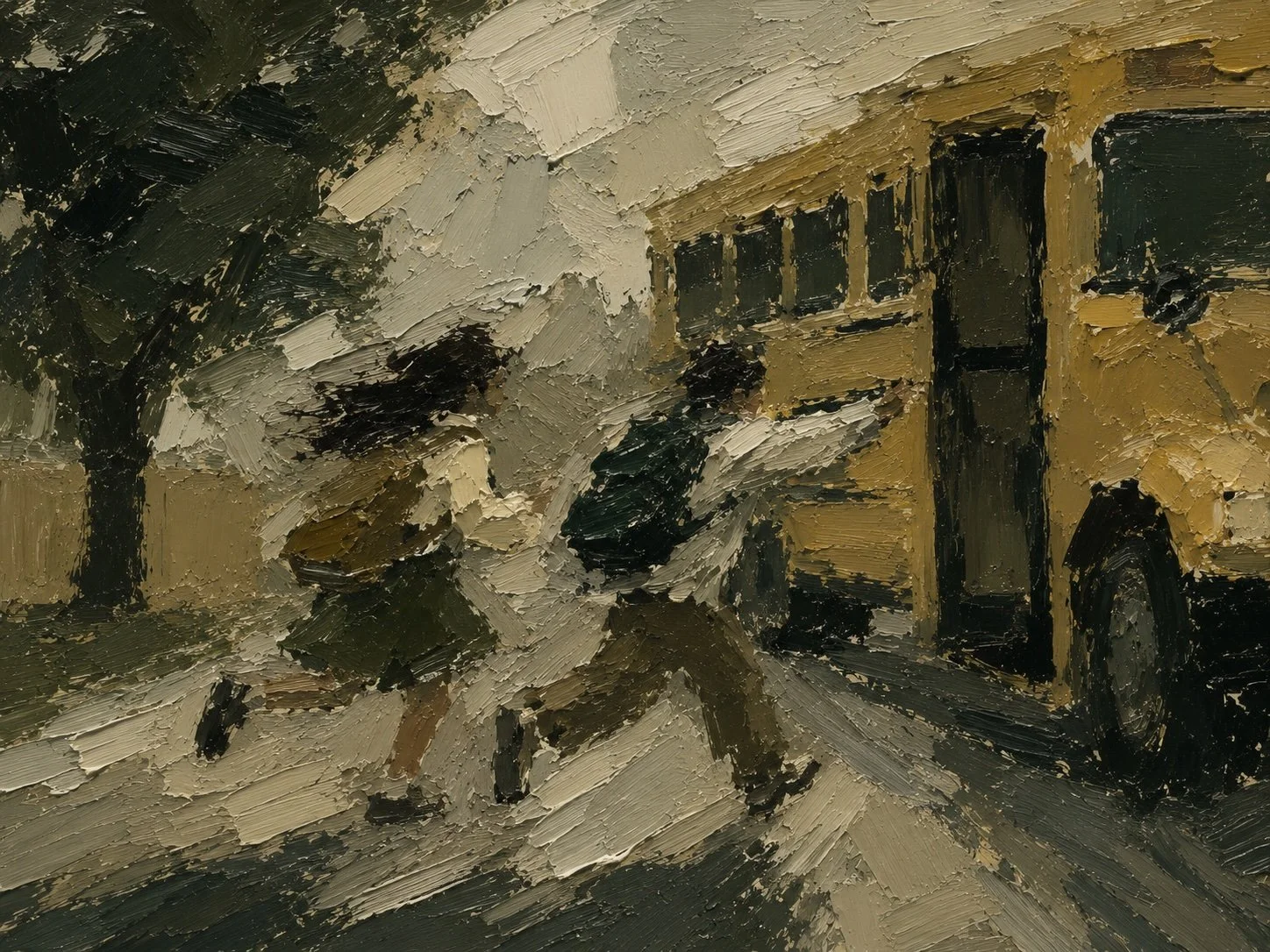
The question is not merely what a character does every day, but what the routine reveals. Writers often know the major events of a coming-of-age story, but they may not yet know how to build the daily world that gives those events emotional force. A manuscript critique with a fiction writing coach can help identify whether the character’s routines feel specific enough, whether the setting has a lived texture, and whether repeated scenes are deepening rather than flattening the story.
The Art of Entering a Difficult Book
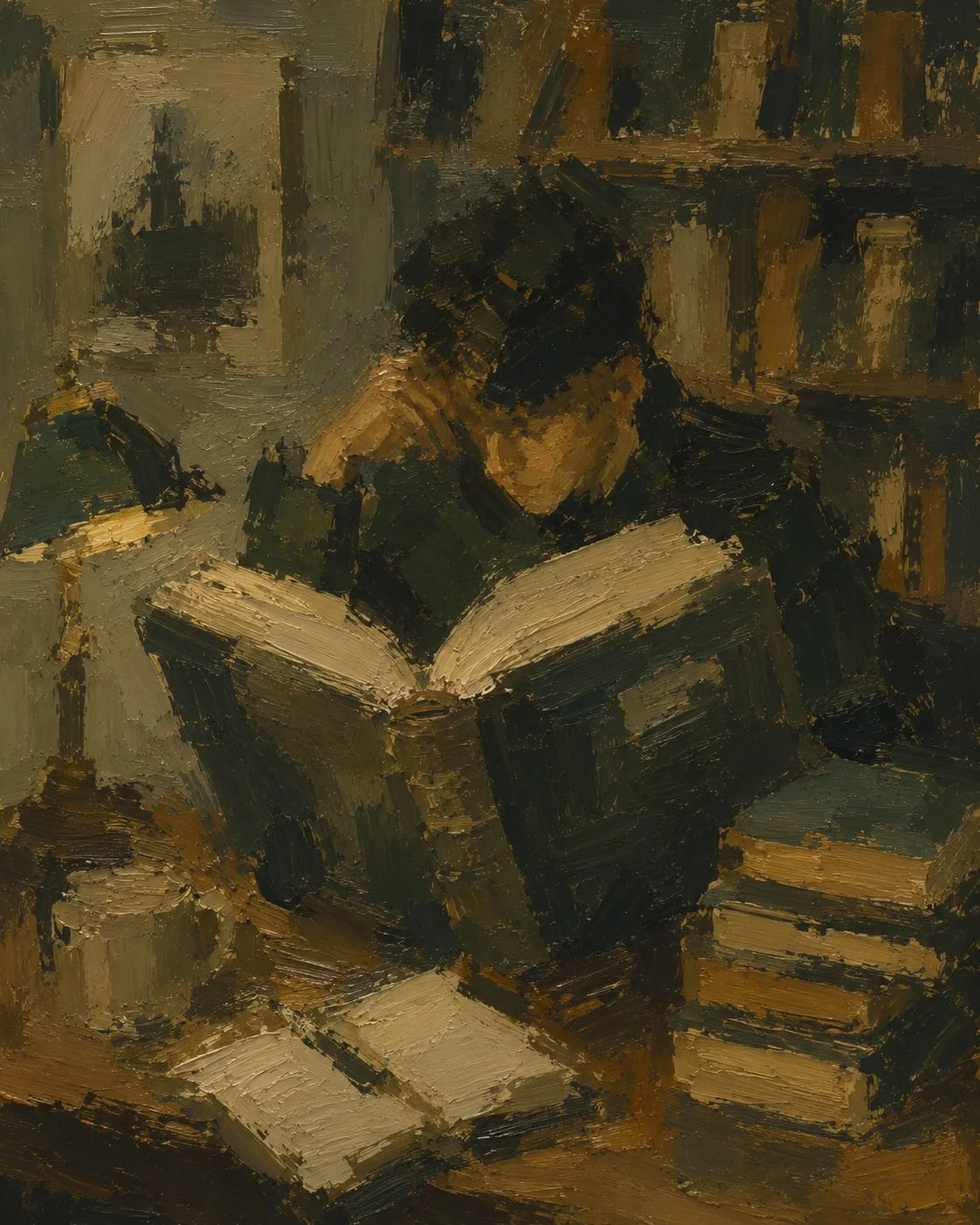
A book coach can also help distinguish between two different kinds of confusion. Some confusion comes from gaps in knowledge, whether that’s historical context, unfamiliar vocabulary, unusual syntax, or an unfamiliar literary style. Those obstacles can often be addressed directly. But other forms of confusion are built into the book itself. In those cases, the challenge isn't to eliminate uncertainty but to learn how to read through it.
How Great Novels Find Their Endings
Writers are often too close to their own work to see whether the ending fulfills the promises the novel has been making. They know what happens, but they may not yet know what it means. Manuscript consultation with an experienced novel coach can help identify the deeper questions driving the story while distinguishing between useful ambiguity and vagueness.
What Makes a Strong Literary Argument?
Most writers don't need someone to tell them what a text means. More often, they need help identifying which of their ideas has the most potential. Through conversation, a writing consultant can help a writer distinguish between a claim that closes off interpretation and one that opens new possibilities.
How Bad Decisions Drive Literary Fiction
Writers often know what their characters are doing, but not always why those actions carry weight. A novel coach can help determine whether a character’s choices grow naturally from the story’s central tensions or whether they’ve been added simply to create drama.
Learning to Unlearn: What Writers Must Leave Behind
Unlearning is personal. General advice can only go so far because writers are blocked by different habits. One writer may need to loosen control, while another needs to develop structure. A one-on-one writing coaching relationship allows these patterns to become visible over time.
Why Good Characters Often Misunderstand Themselves
Many writers sense that a character feels flat, inconsistent, or emotionally distant, but they cannot always identify why. Writing coaching services can help locate the missing layer. Often, the problem is not that the character lacks traits or backstory. The problem is that the character lacks an inner contradiction strong enough to shape the story.

The Literature of Waiting
Author coaching can help identify the difference between empty delay and waiting that feels charged. The question is not only whether something happens in the scene. The deeper question is what changes while the character waits.
An Unreliable Atmosphere
If the writer explains too quickly, the spell breaks. If the writer withholds too much, the atmosphere becomes murky. A book writing coach can help identify where the draft needs a firmer concrete detail, where it needs less interpretation, and where a setting might carry more of the story’s emotional burden.

The Literature of Errands
Hiring a good writing coach can help a writer notice when a draft has become too internal, too static, or too dependent on explanation. Rather than simply saying, “Add more action,” a coach can help identify the kind of action the story actually needs. Sometimes the solution is not a major plot twist. The right small action can often release energy that was already present in the material.
The Literature of Inheritance: What Fiction Reveals About What We Receive
Manuscript critique services can be especially helpful for writers working with inheritance because the material often becomes dense quickly. Family stories naturally multiply. Backstory gathers around every character. Generations of history press against the present action. A skilled manuscript critique can help a writer see where the inheritance theme is alive on the page and where it has become explanatory or repetitive.
Remembering War: Writing Coaching for Veterans
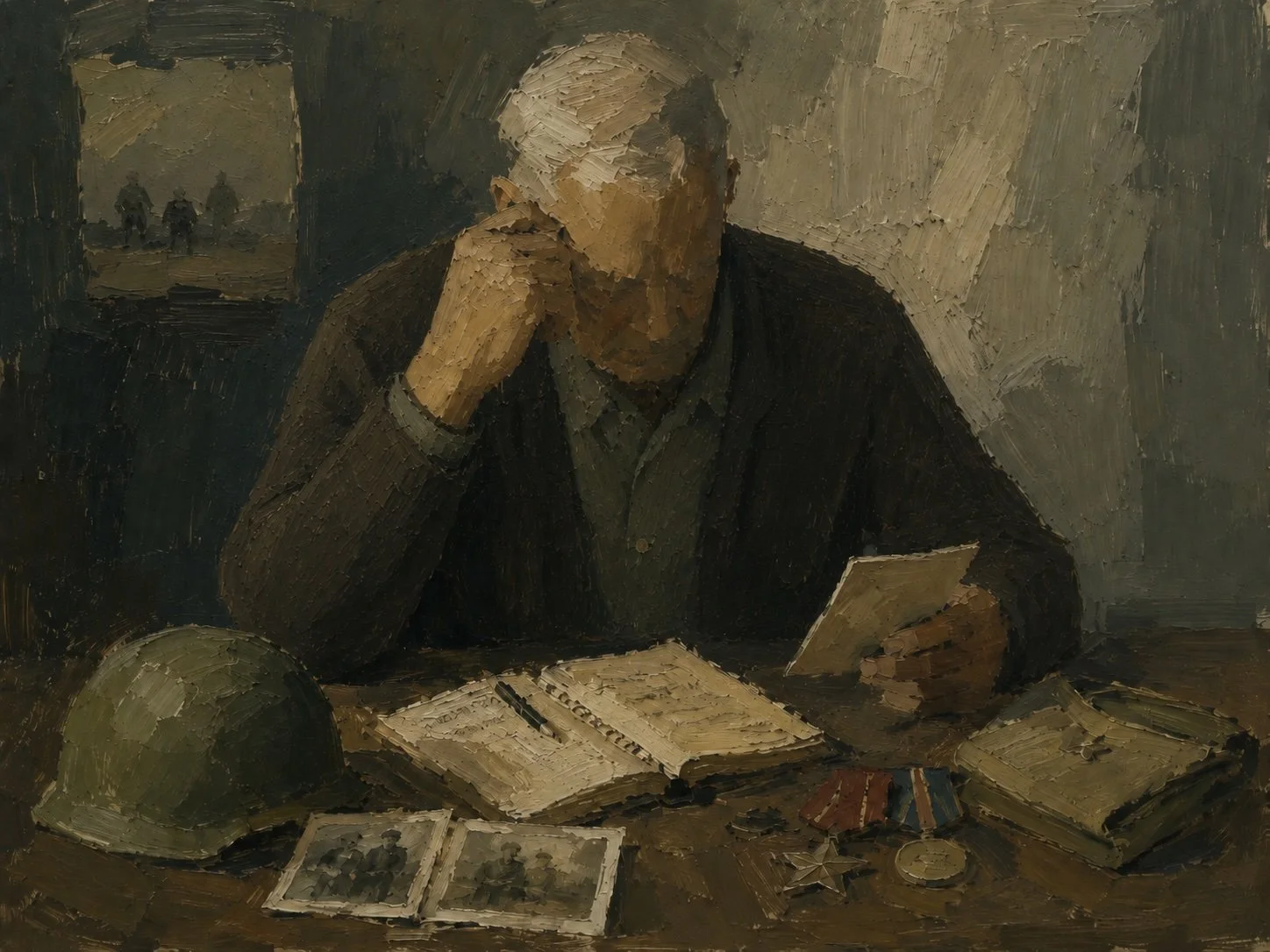
At its best, writing coaching gives veterans a serious, respectful space in which their experiences are treated as material worthy of art. The coach helps with scenes, structure, and revision, but the deeper work often involves permission: permission to begin badly, to write without knowing the final shape, to admit uncertainty, and to make something lasting from what has been carried in silence.
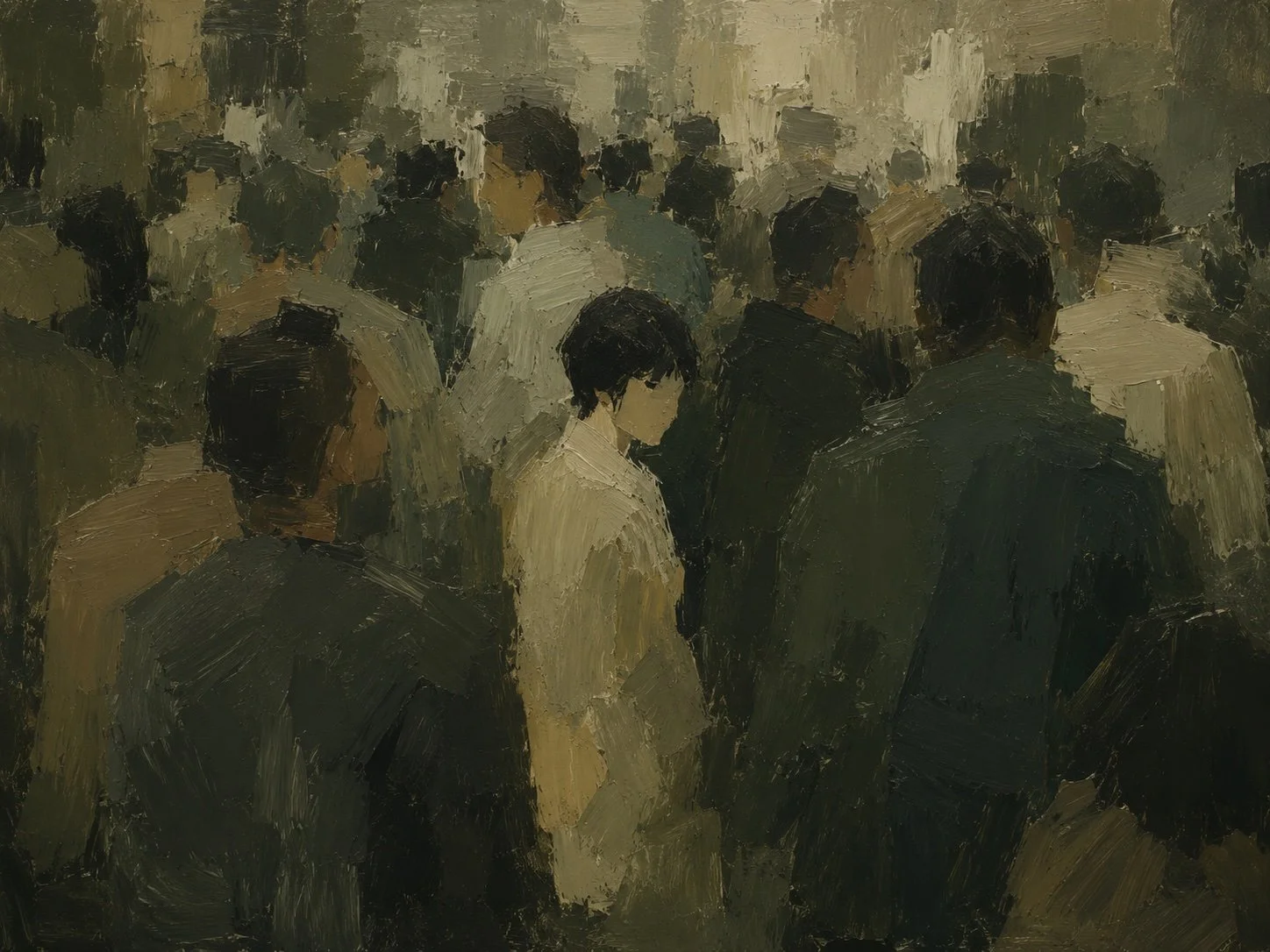
How to Write a Convincing Crowd Scene
An author mentor can look at the manuscript as a whole and ask what the crowd scene is doing. If the purpose is strong, manuscript assessment can help the writer sharpen the tools that serve that purpose: fewer named characters, more selective sensory detail, a clearer emotional lens, stronger entrances and exits, and a better balance between collective motion and individual focus.