

Welcome to our informational blog.
Topics covered include literary theory and practice, academic writing techniques, philosophy of education, and explanations of our methods for strengthening creative intelligence.
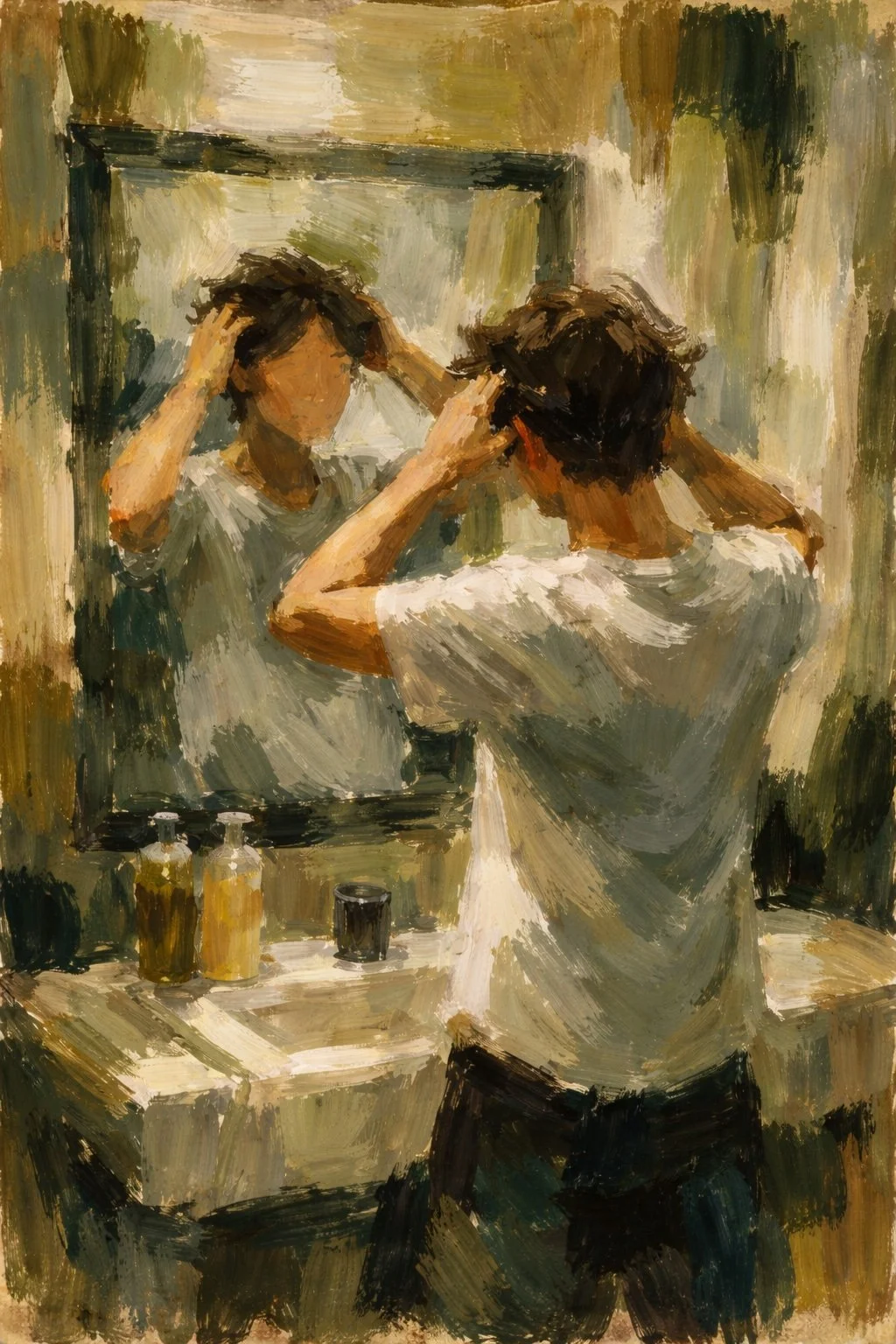
Character Under Pressure
People are revealed not by who they say they are, but by how they move through the limits imposed on them. When literary coaches teach writers to build pressure thoughtfully, character stops feeling like something to invent and starts feeling like something that happens naturally.
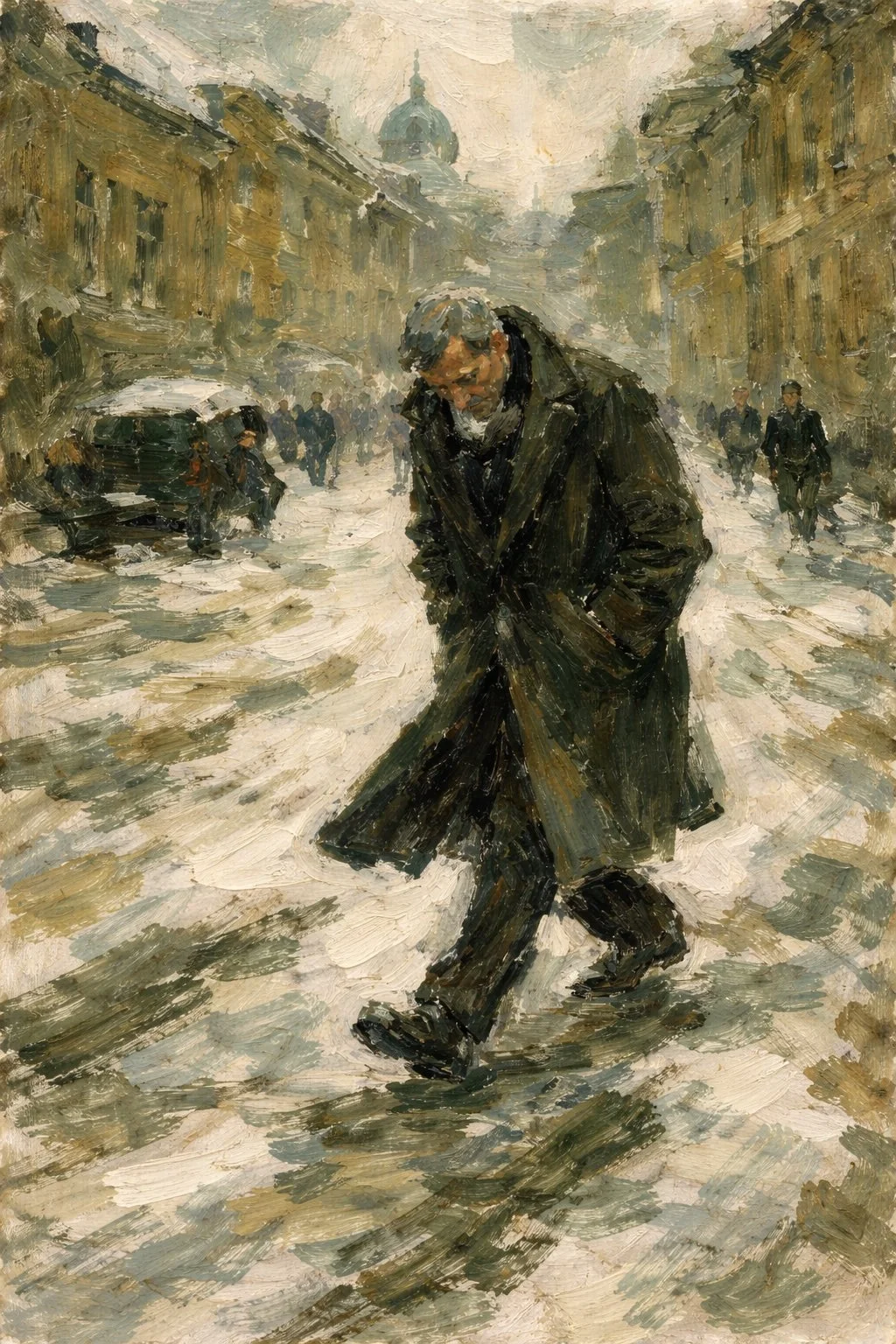
The Novel as a Laboratory for Moral Choice
Many developing writers approach moral questions too directly. They explain motives instead of dramatizing them, or they resolve ethical tension too quickly in order to reassure the reader. Author mentorship helps the writer slow down.

Omniscient Narration in Contemporary Fiction
When writers attempt omniscience on their own, they frequently err in one of two directions. Either the voice becomes too diffuse, leaving the reader unanchored, or it becomes too controlling, explaining motivations and themes before the story has allowed them to emerge organically. A book writing consultant can help a writer identify where the narrative voice is doing too much work and where it might do less.
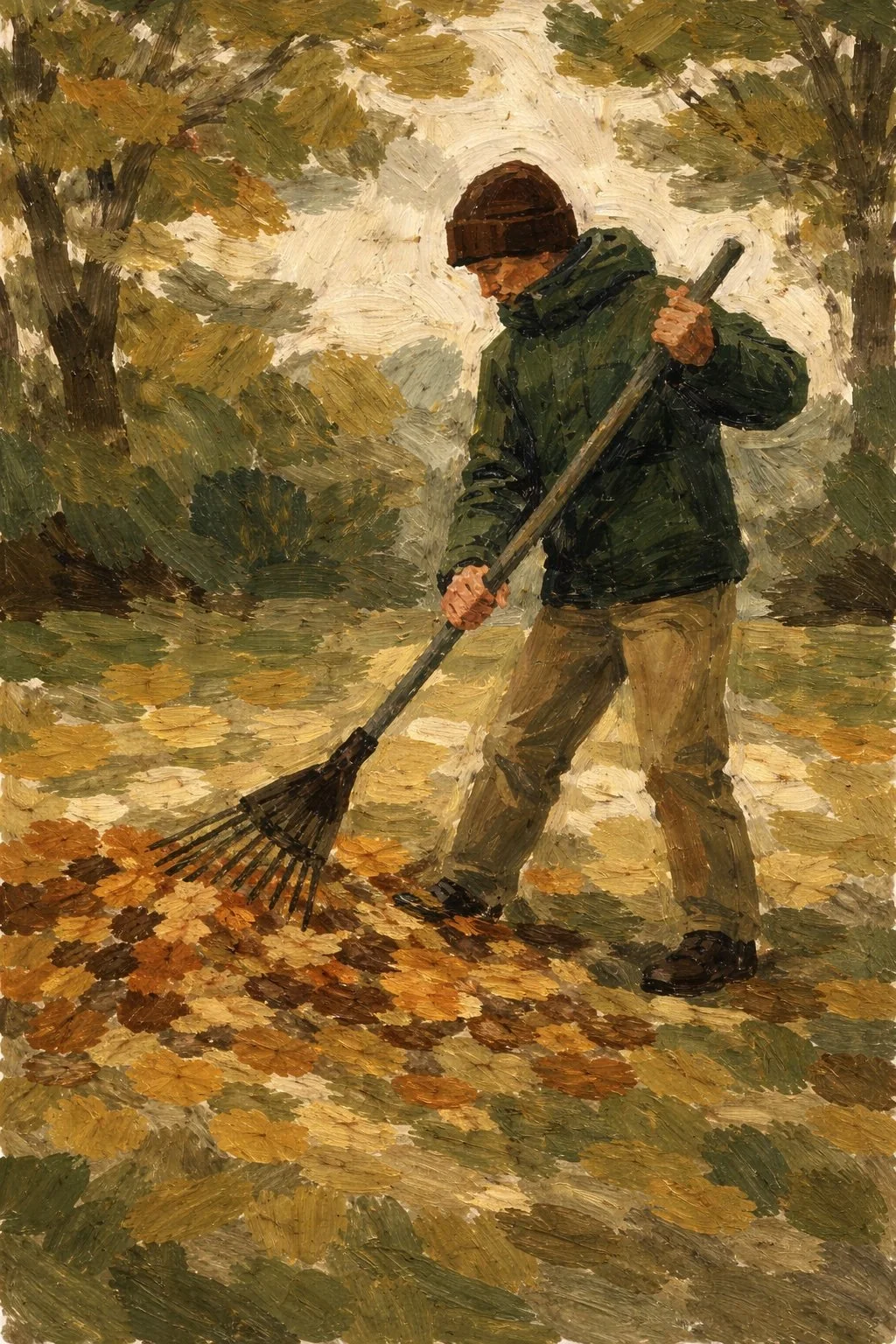
What Manual Labor Teaches Writers
Manual labor teaches a particular relationship to time. Progress can be slow and uneven. Mastery comes through accumulated hours rather than sudden insight. For writers, this sensibility counters the fantasy that a novel should arrive whole, or that inspiration alone will carry a project forward. Instead, it frames writing as a daily practice, one shaped by endurance and humility. Many writers have internalized either unrealistic artistic myths or the belief that their lived experience has no place in literary work. Novel writing mentorship helps a writer recognize the value of what they already know how to do.

Writing Place Without Sentimentality: Rendering Landscapes as Living Systems
Sentimentality often creeps in during revision, when the urge to clarify or elevate overtakes the discipline of observation. An experienced online writing consultant can identify moments where language slides into generality or emotional shorthand. They can point out when a place has stopped behaving like a system and started behaving like a symbol.
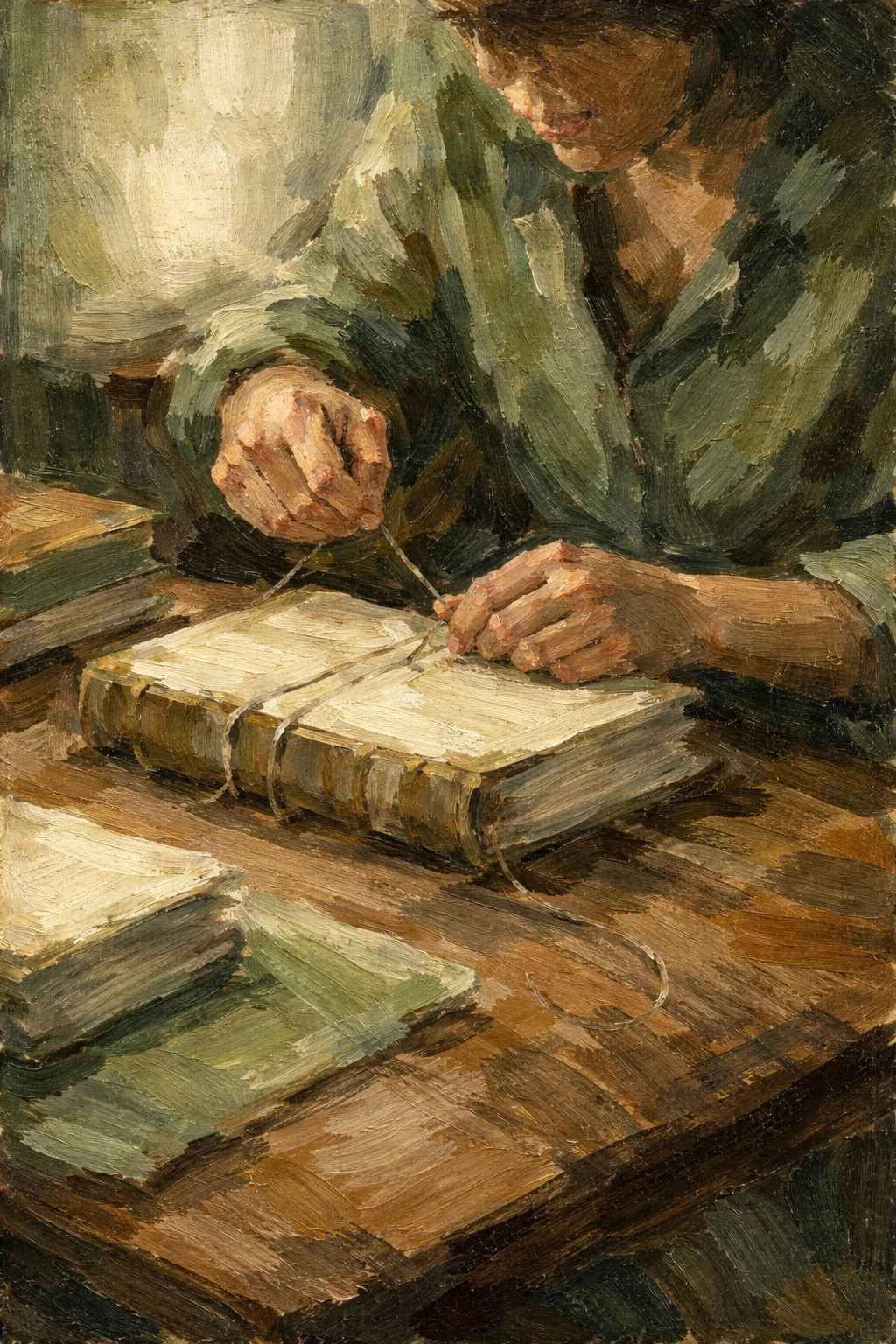
Hybrid Novels and the Problem of Placement
Many literary writers underestimate how much invisible labor traditional publishers absorb. When that infrastructure disappears, the work becomes the writer’s responsibility. A self-publishing consultant helps writers understand what matters and what does not, without imposing genre clichés or pressuring a book to conform to the market.
Narrative Authority in the Latin American Boom
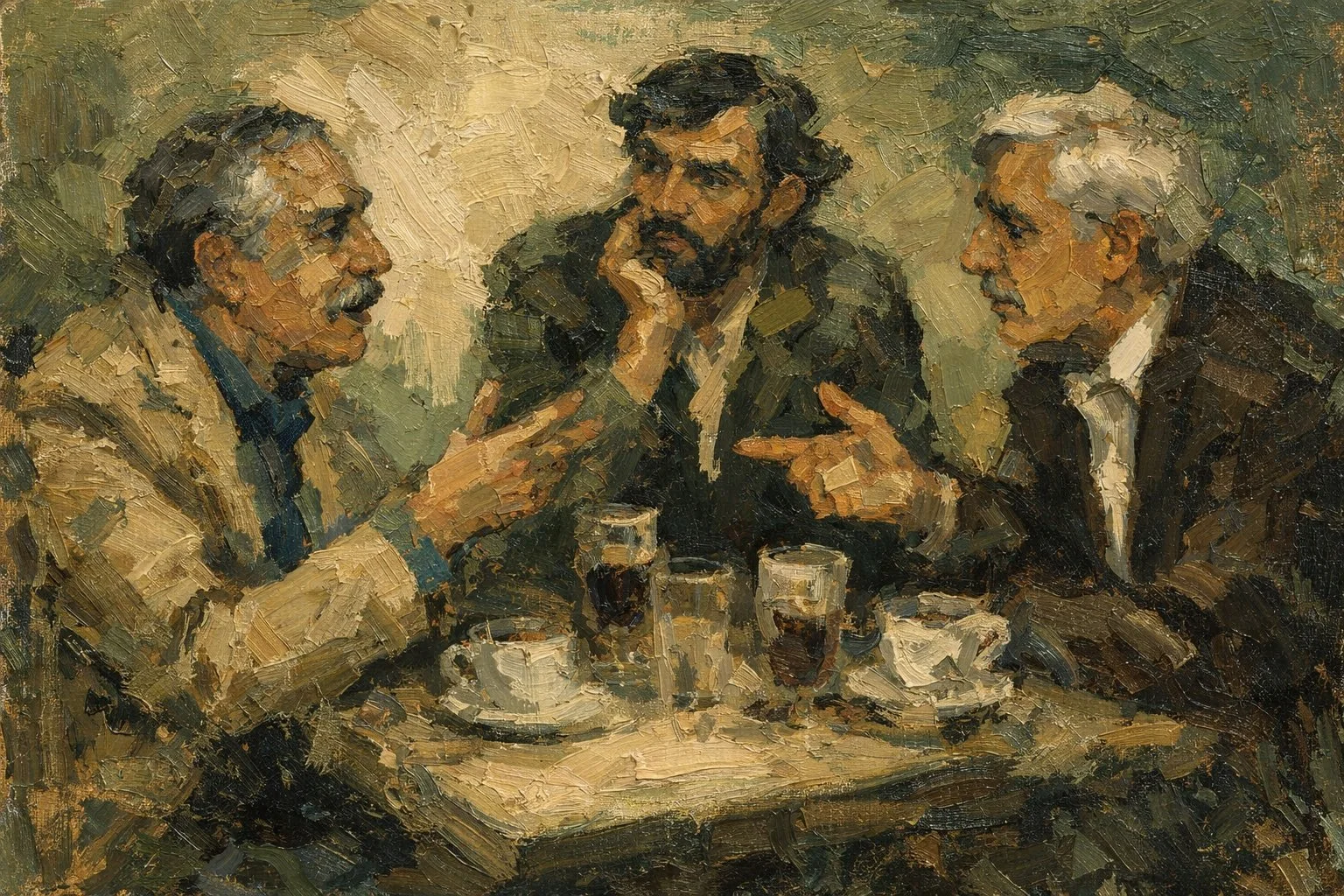
A writer may admire García Márquez’s confidence but feel uncomfortable asserting that kind of narrative dominance. Another may love Cortázar’s openness but struggle with maintaining a coherent narrative. A third may gravitate toward Vargas Llosa’s architecture but risk overdetermining the reader’s experience. This is where the role of a novel coach becomes especially relevant.
The Serious Emotional Work of Children’s Literature
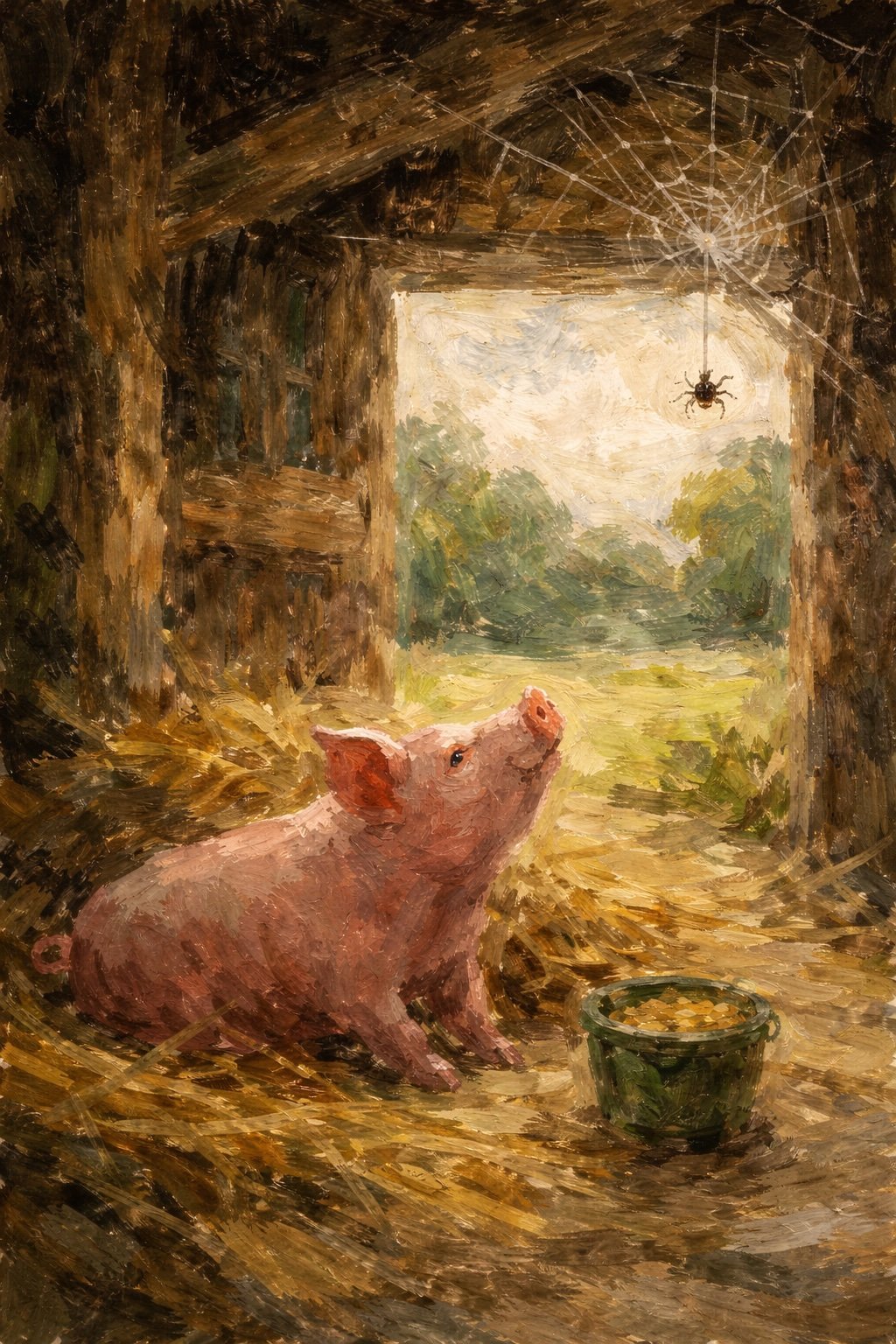
Many drafts fail not because the feelings are too small, but because they are insufficiently grounded in the story’s logic. A creative writing mentor can ask the questions a child reader would ask. Why does this character feel this way now? What changed? What did they lose? What are they afraid will happen next?

How Writers Learn From the Places They Live
Writing coach services help a writer distinguish between genuine environmental influence and a larger narrative drift. Instead of offering generic advice about productivity or inspiration, a coach listens for how place is already shaping the work. They might notice that a city-based draft moves quickly but lacks reflection, or that a rural setting has slowed the prose to the point of inertia. How can the writer use their setting intentionally, instead of working against it?

Inside the Architecture of a Scene
Writing coaching creates a space where scenes can be examined without defensiveness. Many writers conflate a critique of a scene with a critique of themselves. A skilled coach helps separate those things. The scene is an object that can be adjusted, expanded, or pared back. This shift alone often leads to stronger, more confident revision.
The Hidden Patterns Inside Early Drafts
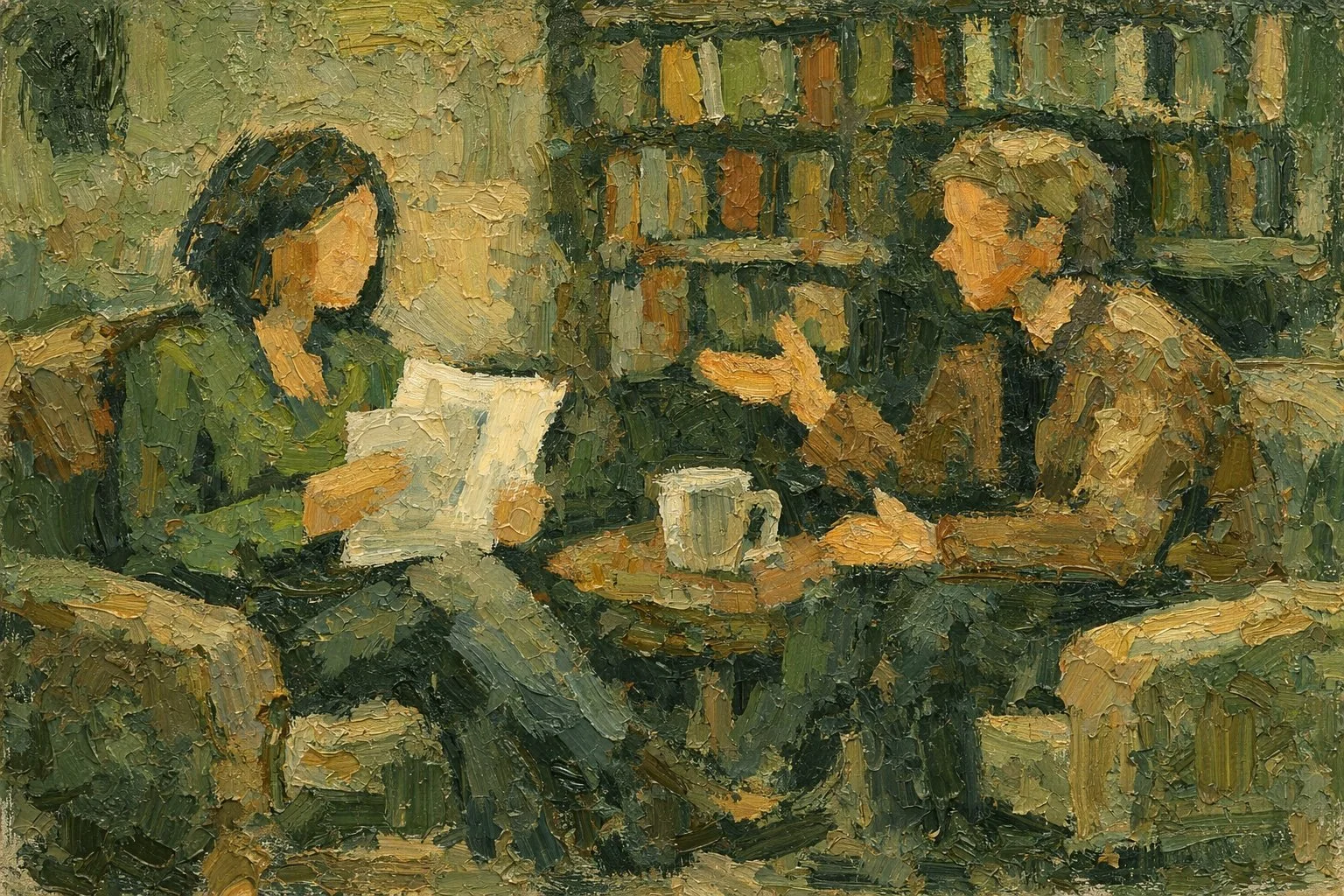
A publishing coach who understands both craft and the realities of the publishing landscape knows that a theme cannot be imposed from the outside. It has to be recognized, refined, and clarified through revision. Rather than asking, “What do you want this book to say?” a good coach pays attention to what the manuscript keeps saying on its own.

Movement, and Attraction: The Craft of Romantic Tension
Writers frequently include moments of physical action without fully realizing what those moments are communicating. A manuscript critique from a book publishing consultant can help identify where a scene is already doing more work than the author recognizes, and where it is undercut by unnecessary explanation. Often the issue is not that desire is missing from the page, but that it is being overtranslated into dialogue, flattening what could have remained alive in gesture.
The Private Reader
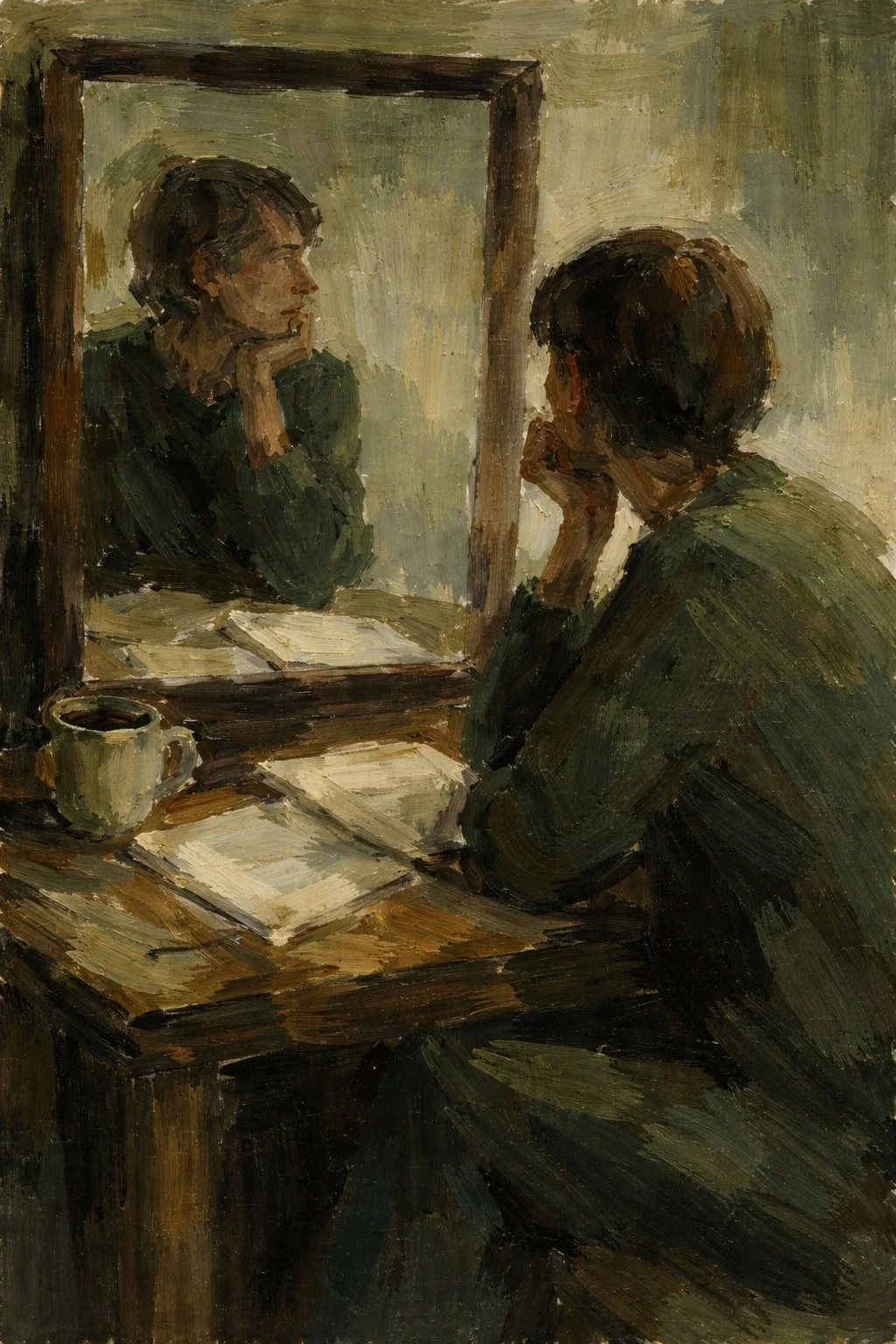
Many writers come to coaching with a sense that they are writing under surveillance. They describe feeling watched, judged, or prematurely evaluated. This feeling often traces back to workshop culture, academic grading, and early feedback that arrived before the work had fully formed. Over time, the writer internalizes those voices. A writing coach helps externalize them.
Writing from the Inside of Experience
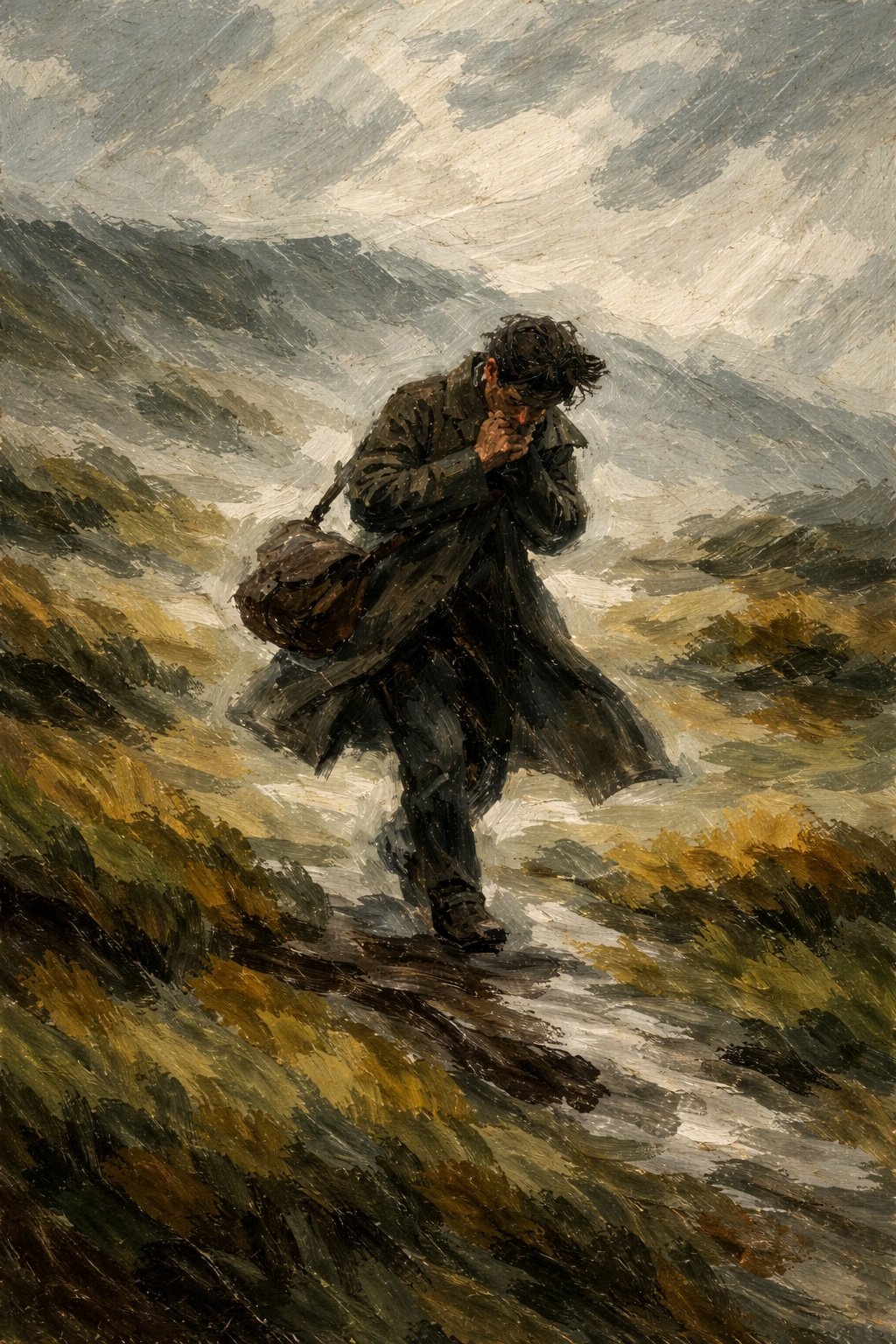
A skilled fiction writing coach helps an author notice when their prose steps away from lived experience and into abstraction. This does not involve imposing a philosophical framework onto the work. It means listening closely to the language on the page and asking whether the scene is being shown from inside the experience or summarized from outside it.
Talent and Readiness
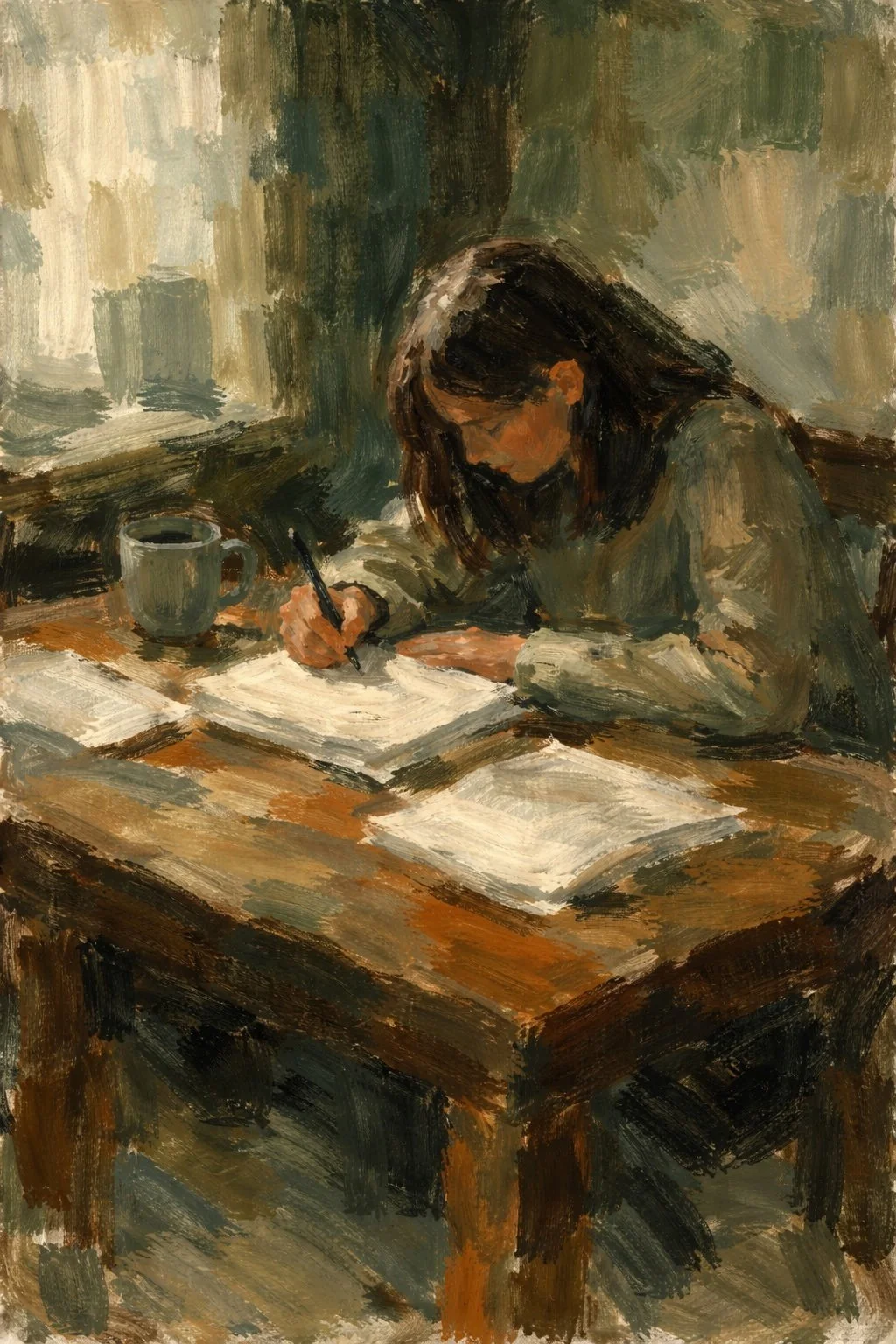
Without guidance, a writer may spend years repeating the same mistakes without realizing it. They may misdiagnose structural issues as personal shortcomings or chase surface-level fixes that do not address deeper problems. Author mentorship provides context. They remind the writer that confusion is often a sign of proximity to something important.
Working Without a Blueprint
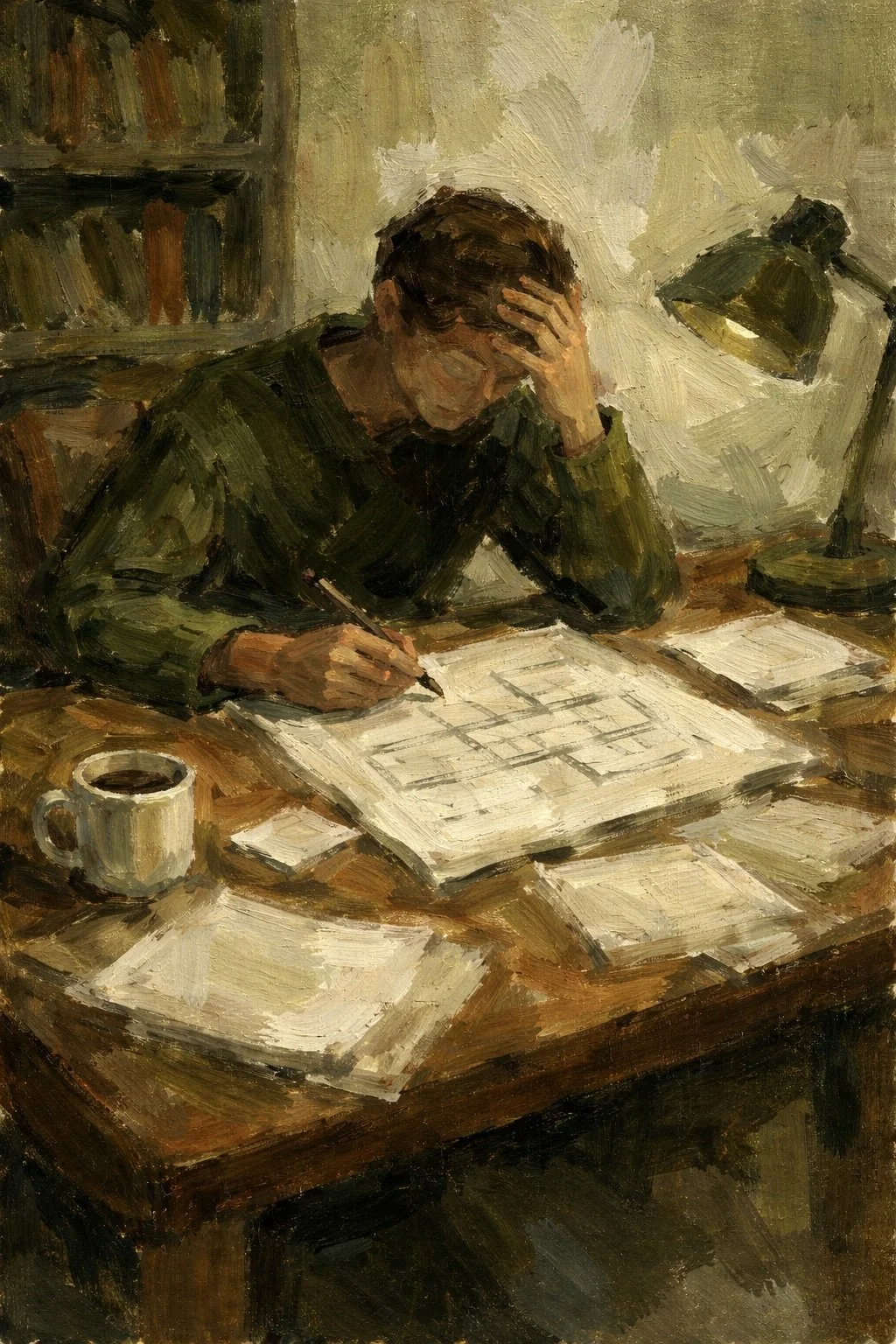
When a project resists outlining, it often generates anxiety. Without a clear plan, writers may worry they are wasting time or drifting without purpose. Hiring a writing coach can help ground the process. The writer gains a space where uncertainty is treated as information rather than failure. Over time, this reframes the work itself. The project becomes something to be investigated rather than controlled.

What to Expand, What to Compress: A Writer’s Sense of Proportion
Different projects demand a different balance. A novel of psychological interiority will distribute space differently than a novel driven by action. A memoir may linger where fiction would choose tocompress. Manuscript critique with a literary coach helps writers develop proportion that serves their specific aims rather than imitating another writer’s scale.
The Long Arc of Ambition in a Writer’s Career
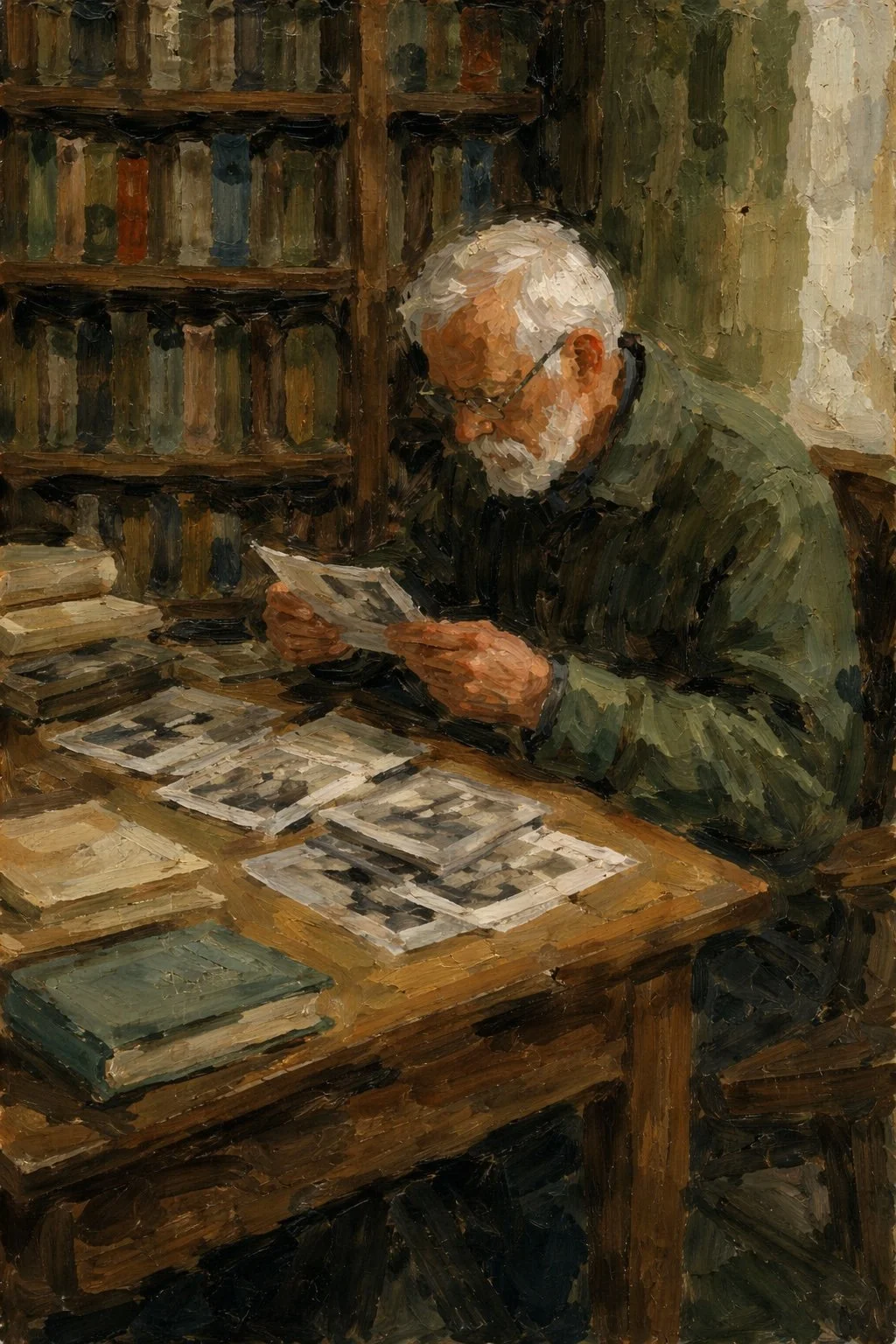
As ambition evolves, author mentorship begins to shift. A strong mentor helps identify patterns in a writer’s work, both strengths and habits that limit growth. This kind of guidance resists general advice. It attends closely to the writer’s material, helping them see where ambition exceeds execution or where fear has narrowed the possibilities within a draft.
Writing While Waiting
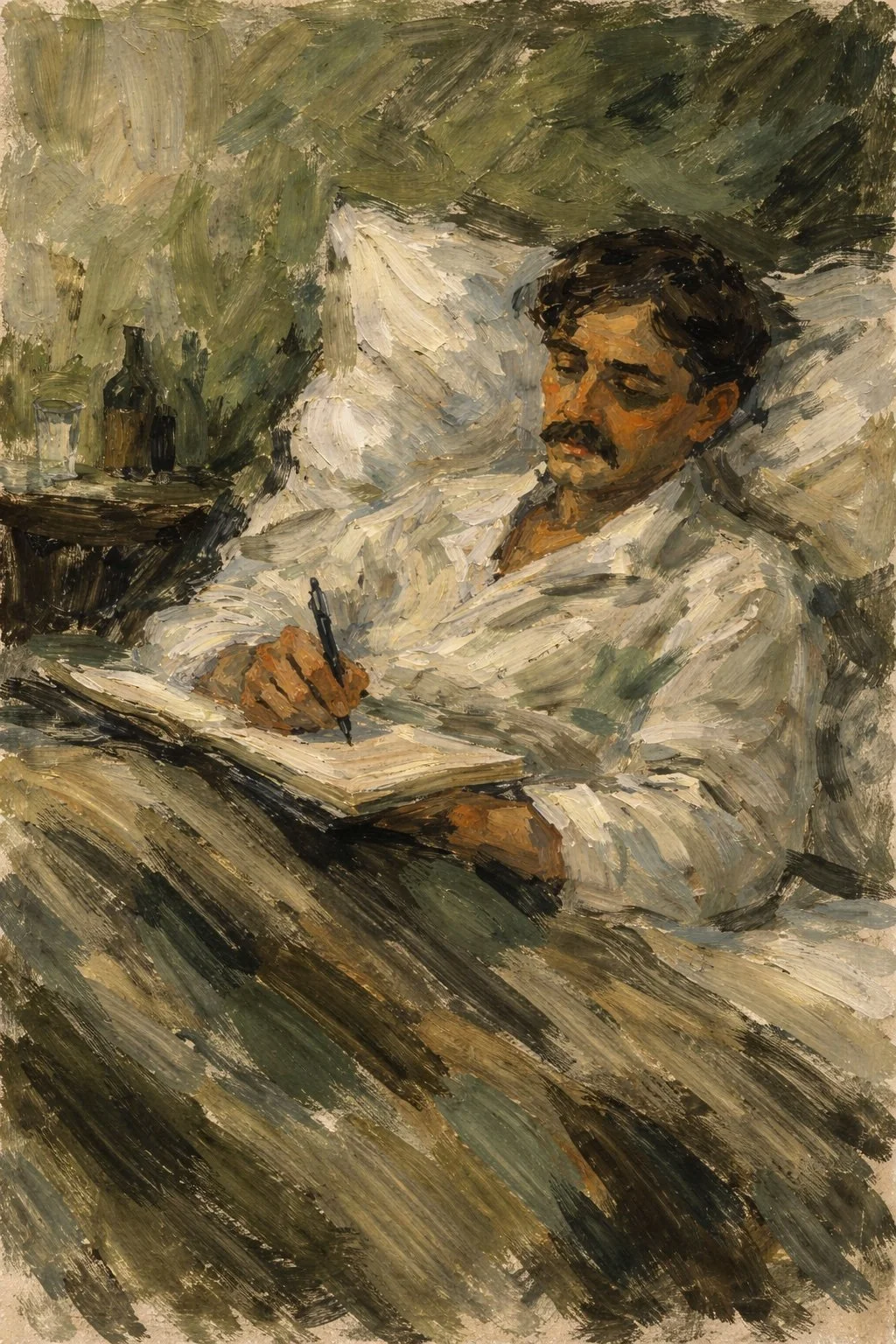
Unlike agents or editors, whose engagement often begins once momentum is visible, a book publishing coach can help a writer recognize waiting as part of the work rather than a failure of it. On the practical level, a coach helps assess whether a manuscript is truly stalled or simply incubating. They can identify when revision is productive and when distance would serve the work better.

The Discipline of Stillness: On Boredom and Attention
Boredom invites a different relationship between writer and reader. It asks the reader to slow down and accept uncertainty. It asks the writer to trust that meaning can arise without spectacle. A creative writing mentor helps hold that trust in place, especially when doubt sets in.