

Welcome to our informational blog.
Topics covered include literary theory and practice, academic writing techniques, philosophy of education, and explanations of our methods for strengthening creative intelligence.
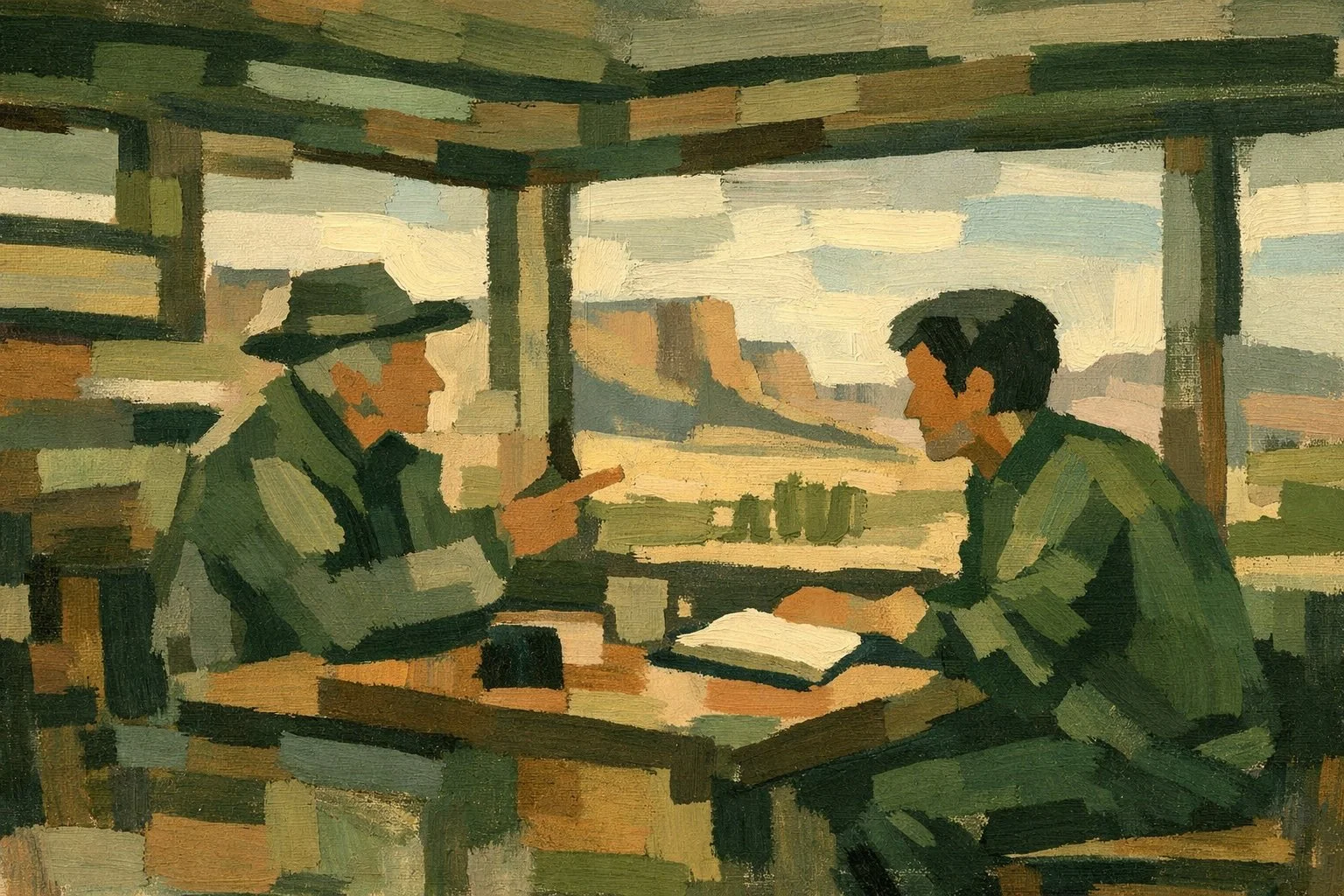
The Long View: Making Work Outside Literary Centers
Outside literary hubs, the role of a creative writing mentor becomes especially relevant. A mentor is someone who remembers what the work looked like six months ago, a year ago, before the writer themselves has forgotten. That memory matters more than approval.

The Writer as Listener: Craft Lessons from Overhearing, Eavesdropping, and Accidental Dialogue
Book coaching services help a writer learn how to work with what they have actually gathered from life, rather than forcing it into preconceived structures. Many writers bring pages full of vivid, overheard dialogue to a draft and feel unsure why the scenes still fall flat. The issue is rarely authenticity, but rather placement and emphasis.

The Ethics of Writing Without Reply
When a writer has lived with material for years, blind spots form naturally. A book writing consultant who reads with distance can point out where a portrayal tips from specificity into caricature, or where a scene gains energy by diminishing someone else. A publishing consultant also understands how these ethical questions intersect with the audience that reads the work.

Character Under Pressure
People are revealed not by who they say they are, but by how they move through the limits imposed on them. When literary coaches teach writers to build pressure thoughtfully, character stops feeling like something to invent and starts feeling like something that happens naturally.

What Manual Labor Teaches Writers
Manual labor teaches a particular relationship to time. Progress can be slow and uneven. Mastery comes through accumulated hours rather than sudden insight. For writers, this sensibility counters the fantasy that a novel should arrive whole, or that inspiration alone will carry a project forward. Instead, it frames writing as a daily practice, one shaped by endurance and humility. Many writers have internalized either unrealistic artistic myths or the belief that their lived experience has no place in literary work. Novel writing mentorship helps a writer recognize the value of what they already know how to do.

Writing Place Without Sentimentality: Rendering Landscapes as Living Systems
Sentimentality often creeps in during revision, when the urge to clarify or elevate overtakes the discipline of observation. An experienced online writing consultant can identify moments where language slides into generality or emotional shorthand. They can point out when a place has stopped behaving like a system and started behaving like a symbol.
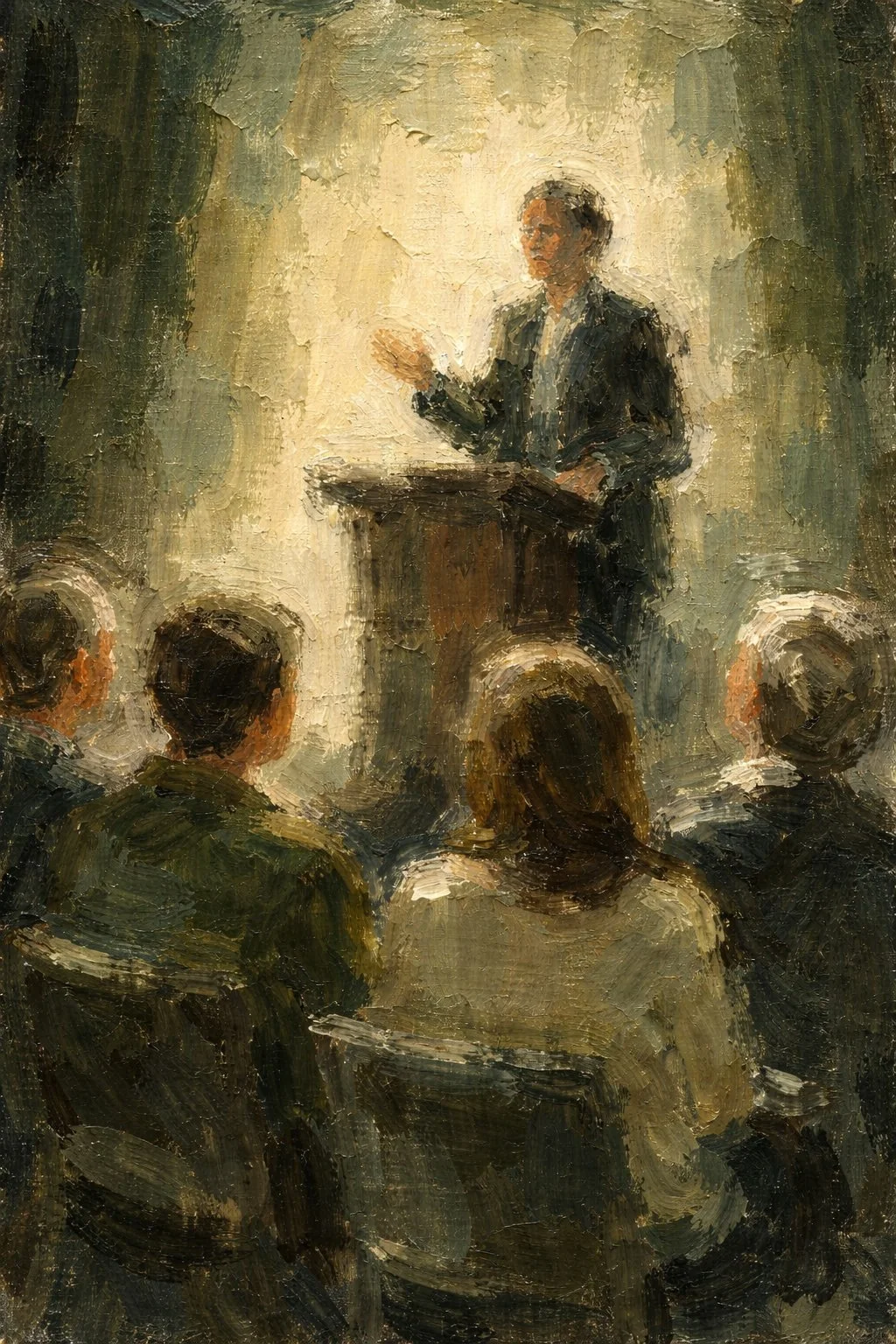
Writing for the Ear: Repetition in Speechwriting
A professional writing coach approaches repetition as a structural question rather than a stylistic tic. They notice where a phrase wants to return and where it has already done its work. Coaching sessions often involve reading drafts aloud, marking breath points, and tracking how ideas build across the arc of the speech.

How Writers Learn From the Places They Live
Writing coach services help a writer distinguish between genuine environmental influence and a larger narrative drift. Instead of offering generic advice about productivity or inspiration, a coach listens for how place is already shaping the work. They might notice that a city-based draft moves quickly but lacks reflection, or that a rural setting has slowed the prose to the point of inertia. How can the writer use their setting intentionally, instead of working against it?

Inside the Architecture of a Scene
Writing coaching creates a space where scenes can be examined without defensiveness. Many writers conflate a critique of a scene with a critique of themselves. A skilled coach helps separate those things. The scene is an object that can be adjusted, expanded, or pared back. This shift alone often leads to stronger, more confident revision.

The Hidden Patterns Inside Early Drafts
A publishing coach who understands both craft and the realities of the publishing landscape knows that a theme cannot be imposed from the outside. It has to be recognized, refined, and clarified through revision. Rather than asking, “What do you want this book to say?” a good coach pays attention to what the manuscript keeps saying on its own.

The Private Reader
Many writers come to coaching with a sense that they are writing under surveillance. They describe feeling watched, judged, or prematurely evaluated. This feeling often traces back to workshop culture, academic grading, and early feedback that arrived before the work had fully formed. Over time, the writer internalizes those voices. A writing coach helps externalize them.
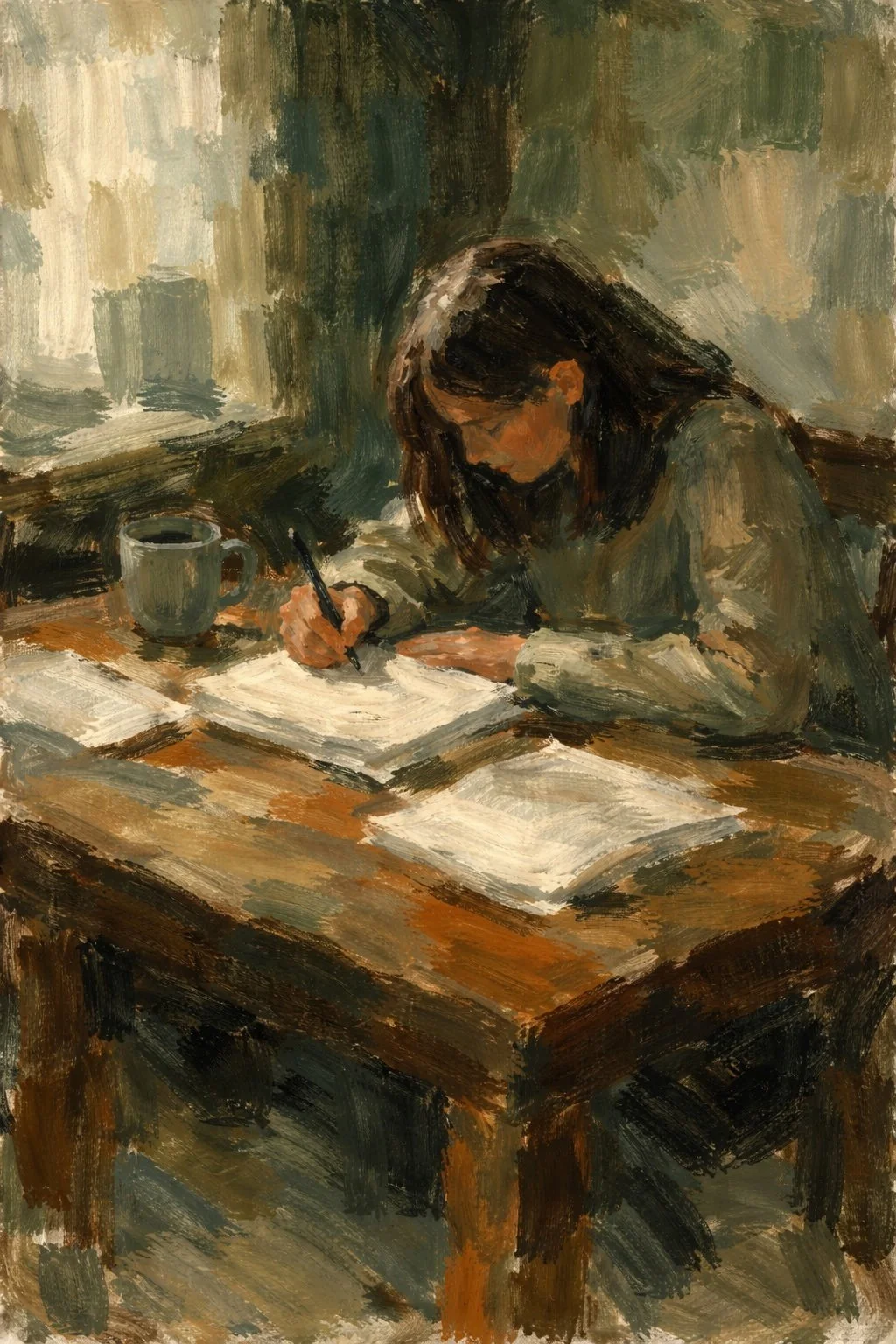
Talent and Readiness
Without guidance, a writer may spend years repeating the same mistakes without realizing it. They may misdiagnose structural issues as personal shortcomings or chase surface-level fixes that do not address deeper problems. Author mentorship provides context. They remind the writer that confusion is often a sign of proximity to something important.

Working Without a Blueprint
When a project resists outlining, it often generates anxiety. Without a clear plan, writers may worry they are wasting time or drifting without purpose. Hiring a writing coach can help ground the process. The writer gains a space where uncertainty is treated as information rather than failure. Over time, this reframes the work itself. The project becomes something to be investigated rather than controlled.

What to Expand, What to Compress: A Writer’s Sense of Proportion
Different projects demand a different balance. A novel of psychological interiority will distribute space differently than a novel driven by action. A memoir may linger where fiction would choose tocompress. Manuscript critique with a literary coach helps writers develop proportion that serves their specific aims rather than imitating another writer’s scale.
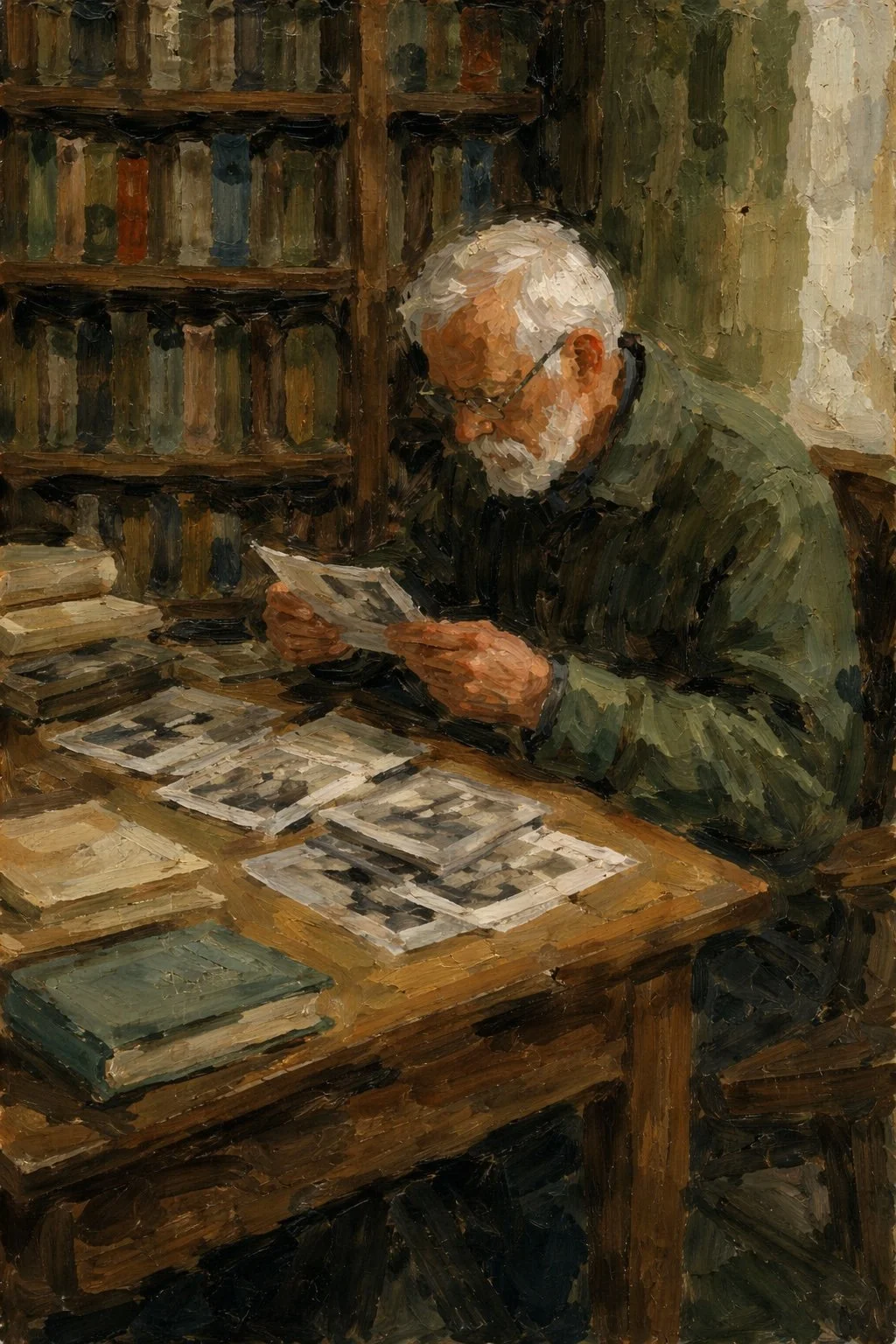
The Long Arc of Ambition in a Writer’s Career
As ambition evolves, author mentorship begins to shift. A strong mentor helps identify patterns in a writer’s work, both strengths and habits that limit growth. This kind of guidance resists general advice. It attends closely to the writer’s material, helping them see where ambition exceeds execution or where fear has narrowed the possibilities within a draft.
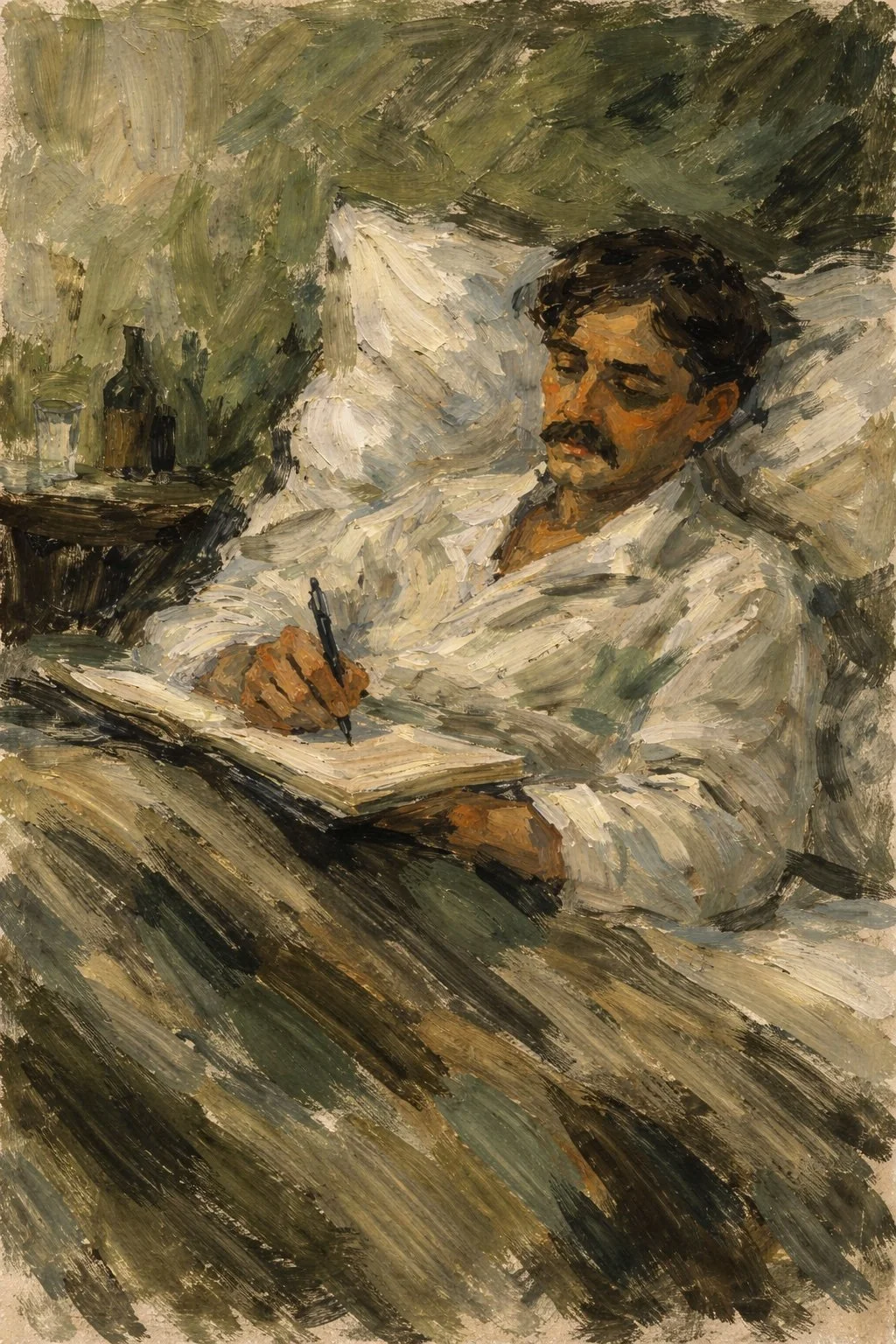
Writing While Waiting
Unlike agents or editors, whose engagement often begins once momentum is visible, a book publishing coach can help a writer recognize waiting as part of the work rather than a failure of it. On the practical level, a coach helps assess whether a manuscript is truly stalled or simply incubating. They can identify when revision is productive and when distance would serve the work better.

The Discipline of Stillness: On Boredom and Attention
Boredom invites a different relationship between writer and reader. It asks the reader to slow down and accept uncertainty. It asks the writer to trust that meaning can arise without spectacle. A creative writing mentor helps hold that trust in place, especially when doubt sets in.

The Difference Between Voice and Persona
A good book publishing consultant understands that voice does not need to be invented or defended. When working with author bios, synopses, or pitch materials, a consultant can help the writer describe their work in a way that reflects its actual temperament.

The Long Life of Failed Books
A publishing consultant operates at the intersection of craft, market awareness, and long-term strategy. Unlike an editor focused primarily on the text, or an agent focused on immediate saleability, a consultant can help a writer understand how their work is likely to be received and why. This understanding is crucial in preventing avoidable forms of failure.

What Unfinished Manuscripts Teach Us About Craft
Unfinished works invite us to rethink what success looks like. Completion is one metric, but not the only one. Insight, risk, and deep engagement with difficult material also matter. Manuscript assessment aligns with this broader view. It honors effort by taking it seriously, even when the path forward is unclear.