

Welcome to our informational blog.
Topics covered include literary theory and practice, academic writing techniques, philosophy of education, and explanations of our methods for strengthening creative intelligence.

Working Without a Blueprint
When a project resists outlining, it often generates anxiety. Without a clear plan, writers may worry they are wasting time or drifting without purpose. Hiring a writing coach can help ground the process. The writer gains a space where uncertainty is treated as information rather than failure. Over time, this reframes the work itself. The project becomes something to be investigated rather than controlled.

What to Expand, What to Compress: A Writer’s Sense of Proportion
Different projects demand a different balance. A novel of psychological interiority will distribute space differently than a novel driven by action. A memoir may linger where fiction would choose tocompress. Manuscript critique with a literary coach helps writers develop proportion that serves their specific aims rather than imitating another writer’s scale.

The Long Arc of Ambition in a Writer’s Career
As ambition evolves, author mentorship begins to shift. A strong mentor helps identify patterns in a writer’s work, both strengths and habits that limit growth. This kind of guidance resists general advice. It attends closely to the writer’s material, helping them see where ambition exceeds execution or where fear has narrowed the possibilities within a draft.
Writing While Waiting
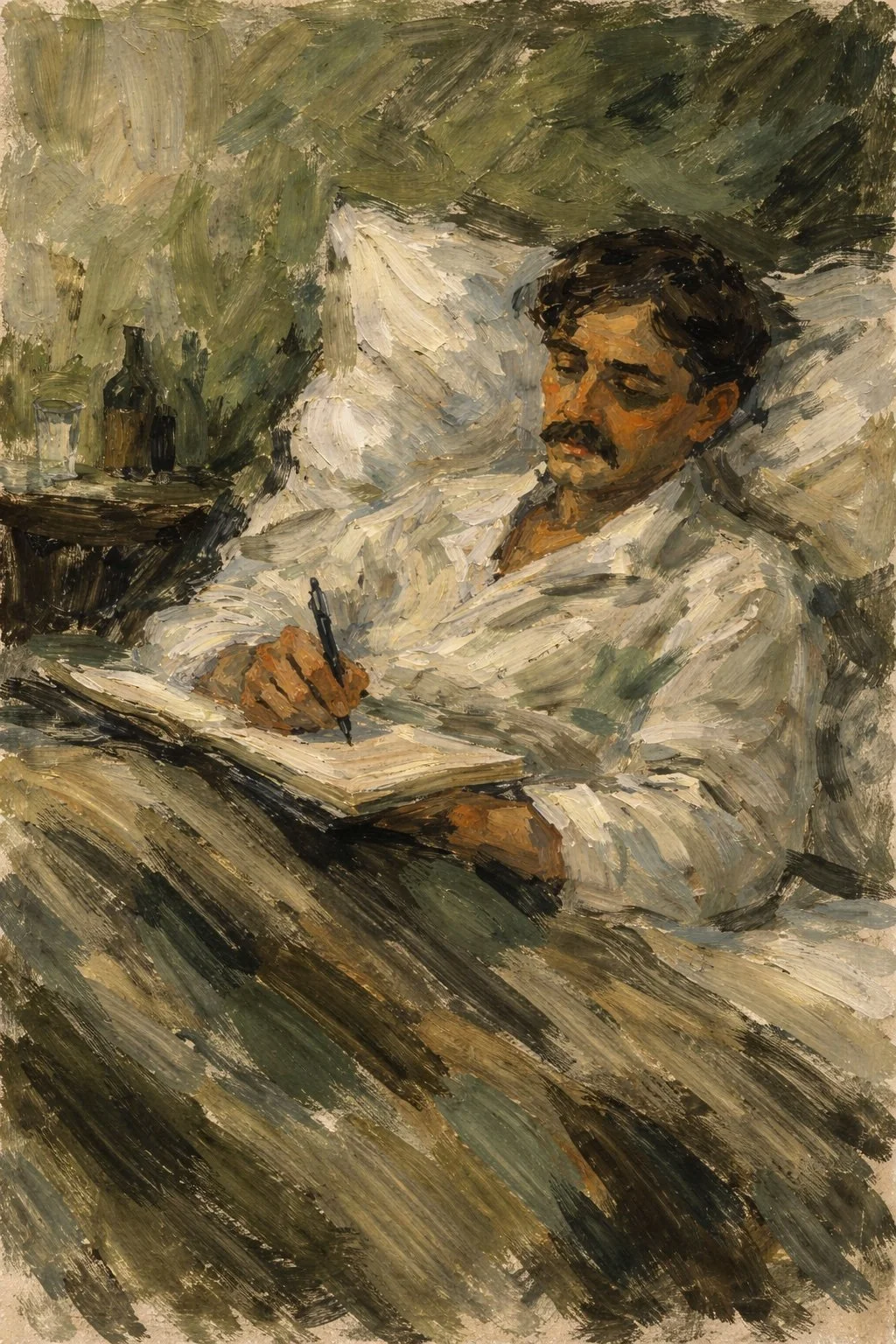
Unlike agents or editors, whose engagement often begins once momentum is visible, a book publishing coach can help a writer recognize waiting as part of the work rather than a failure of it. On the practical level, a coach helps assess whether a manuscript is truly stalled or simply incubating. They can identify when revision is productive and when distance would serve the work better.

The Discipline of Stillness: On Boredom and Attention
Boredom invites a different relationship between writer and reader. It asks the reader to slow down and accept uncertainty. It asks the writer to trust that meaning can arise without spectacle. A creative writing mentor helps hold that trust in place, especially when doubt sets in.

The Difference Between Voice and Persona
A good book publishing consultant understands that voice does not need to be invented or defended. When working with author bios, synopses, or pitch materials, a consultant can help the writer describe their work in a way that reflects its actual temperament.

The Long Life of Failed Books
A publishing consultant operates at the intersection of craft, market awareness, and long-term strategy. Unlike an editor focused primarily on the text, or an agent focused on immediate saleability, a consultant can help a writer understand how their work is likely to be received and why. This understanding is crucial in preventing avoidable forms of failure.

What Unfinished Manuscripts Teach Us About Craft
Unfinished works invite us to rethink what success looks like. Completion is one metric, but not the only one. Insight, risk, and deep engagement with difficult material also matter. Manuscript assessment aligns with this broader view. It honors effort by taking it seriously, even when the path forward is unclear.

After the Manuscript: Navigating the Emotional Aftermath
While much attention is given to coaching during drafting and revision, the period after completion is often when writers need support most. A publishing coach helps contextualize the emotional turbulence rather than pathologizing it. They understand that doubt does not mean the work is weak. It means the writer is standing at a threshold.

The Discipline of Understatement in Postwar Realism
In realist fiction, the question is rarely whether something should be explained. The question is whether the explanation has already been embedded elsewhere. Often, writers include explanatory passages because they do not trust the scene to carry its own weight. A literary coach critiquing the manuscript as a whole can identify where that trust is warranted and where the reader needs more.

The Hidden Narratives Behind Writer's Block
The goal of writing coach services is not to impose a new set of beliefs about productivity, discipline, or success. Instead, they help make the existing stories visible. Many writers have never said their assumptions out loud. Once articulated, these beliefs can be examined rather than obeyed.
The Quiet Work of Rebuilding a Writing Practice
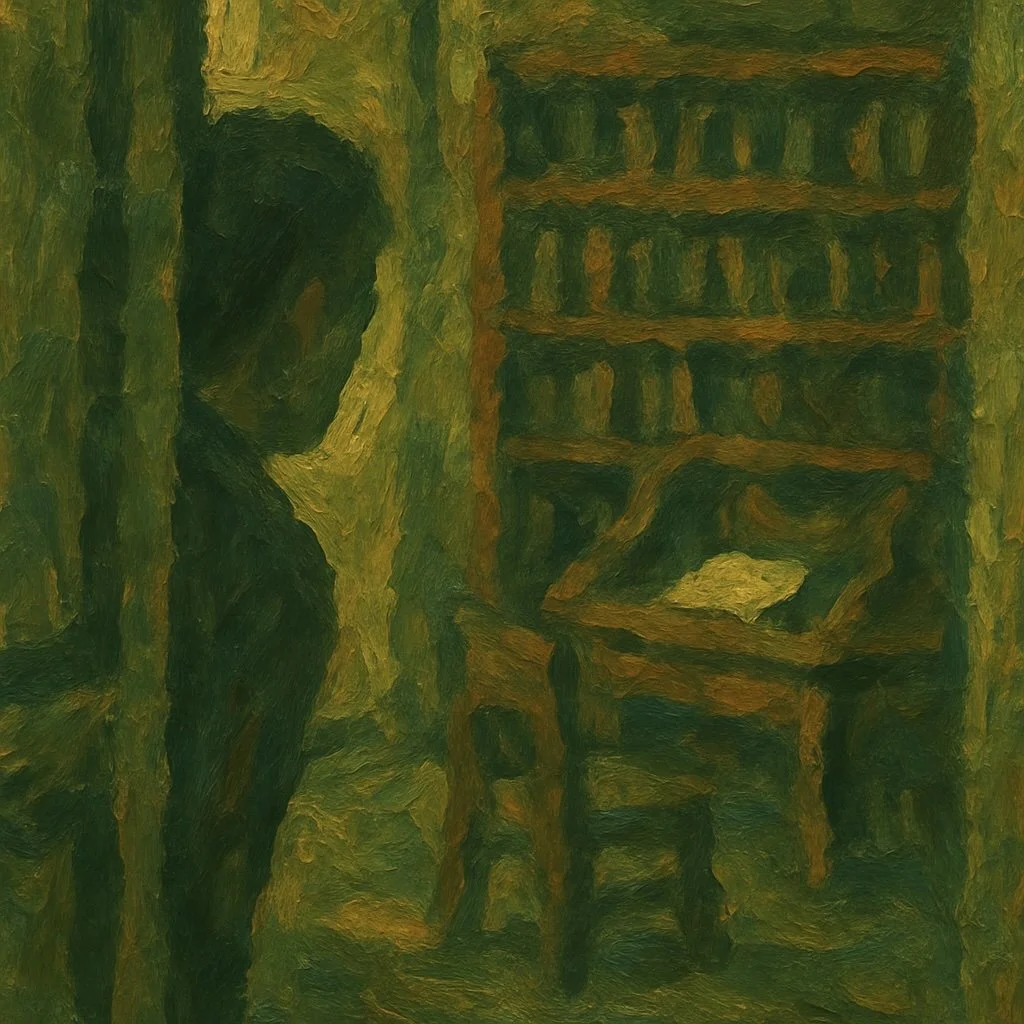
A creative writing mentor is someone who can see the writer’s situation without being entangled in it. Their presence shifts the emotional weight of reentry. Instead of facing the blank page alone, the writer approaches with a companion who holds the thread of continuity.
The Writer’s Archive: Travel Journals and the Shape of a Book
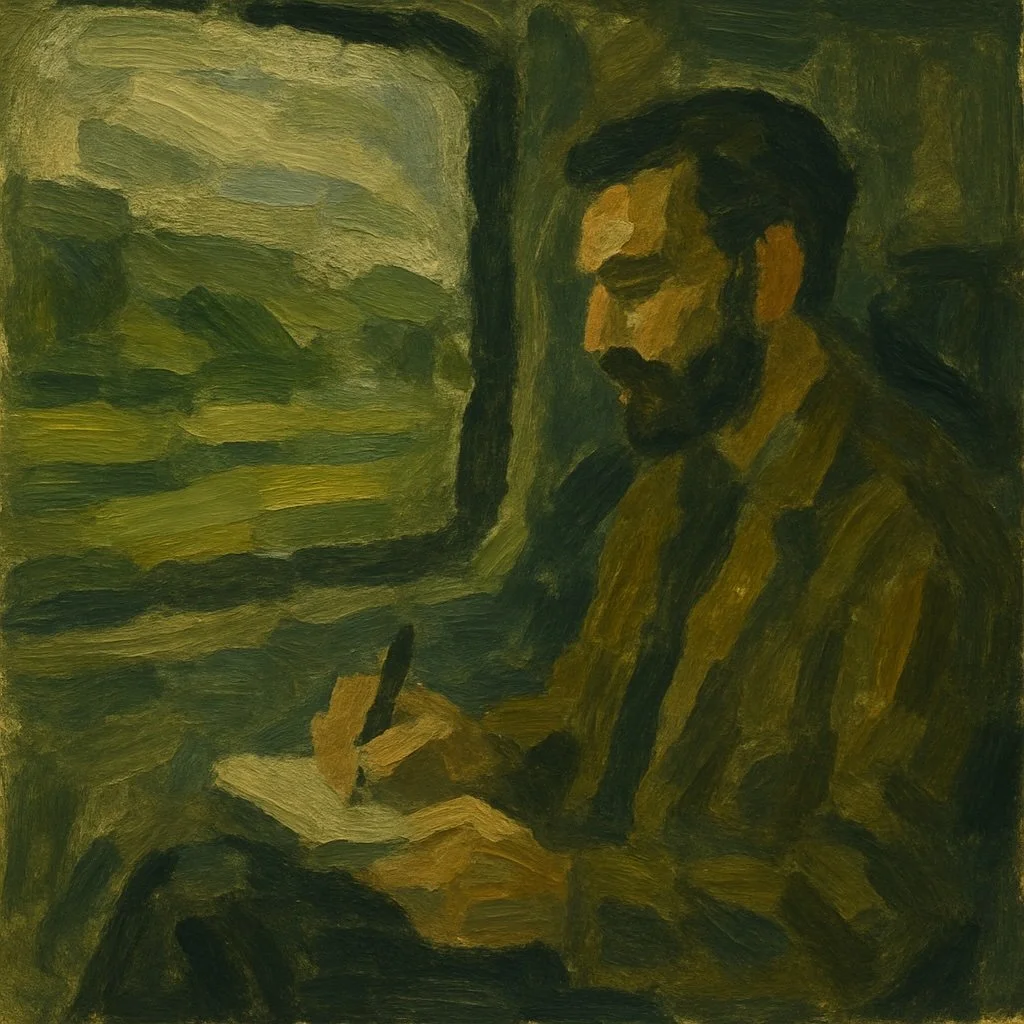
The interplay between raw notes and refined narrative resembles a dialogue across time. The writer who kept the travel journal wrote without an audience in mind. The writer shaping the book does so with the reader’s experience at the forefront. A publishing coach helps bridge these two versions of the writer.
Learning in Motion: Liberal Arts and the Writing Life
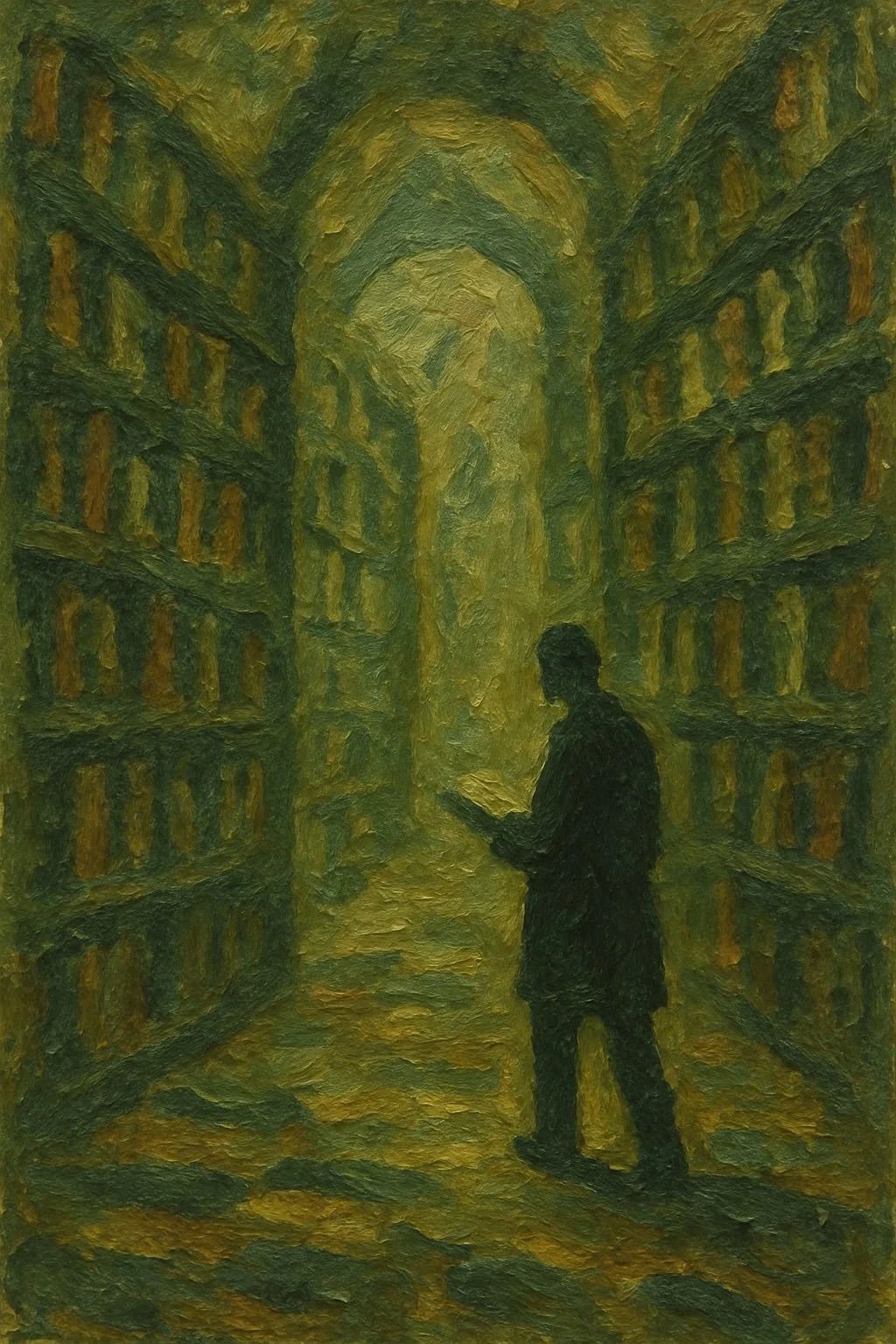
A creative writing mentor helps the writer make use of the raw materials gathered through the liberal arts sensibility. Mentorship provides a space where ideas can be tested, clarified, and shaped into narrative form.

Intertextuality: Crafting a Novel in Conversation with the Past
A writer exploring intertextuality draws strength from a clear understanding of why certain references matter. Precision matters because every echo shapes a reader’s attention. A book writing consultant enters here as a practical and interpretive partner. Many writers sense an influence working through them but have difficulty articulating exactly how that influence functions on the page. A consultant can help them examine the pattern, clarifying whether an allusion strengthens a moment or dilutes it.

The Hidden Structure of Longform Nonfiction
Longform nonfiction grows through successive acts of recognition. The writer recognizes the pattern within their subject. They recognize the limits of early drafts. They recognize when they need a new method. Eventually, they recognize the path the book wants to follow. A manuscript consultation supports this sequence of recognitions.
Holding Uncertainty in Creative Nonfiction
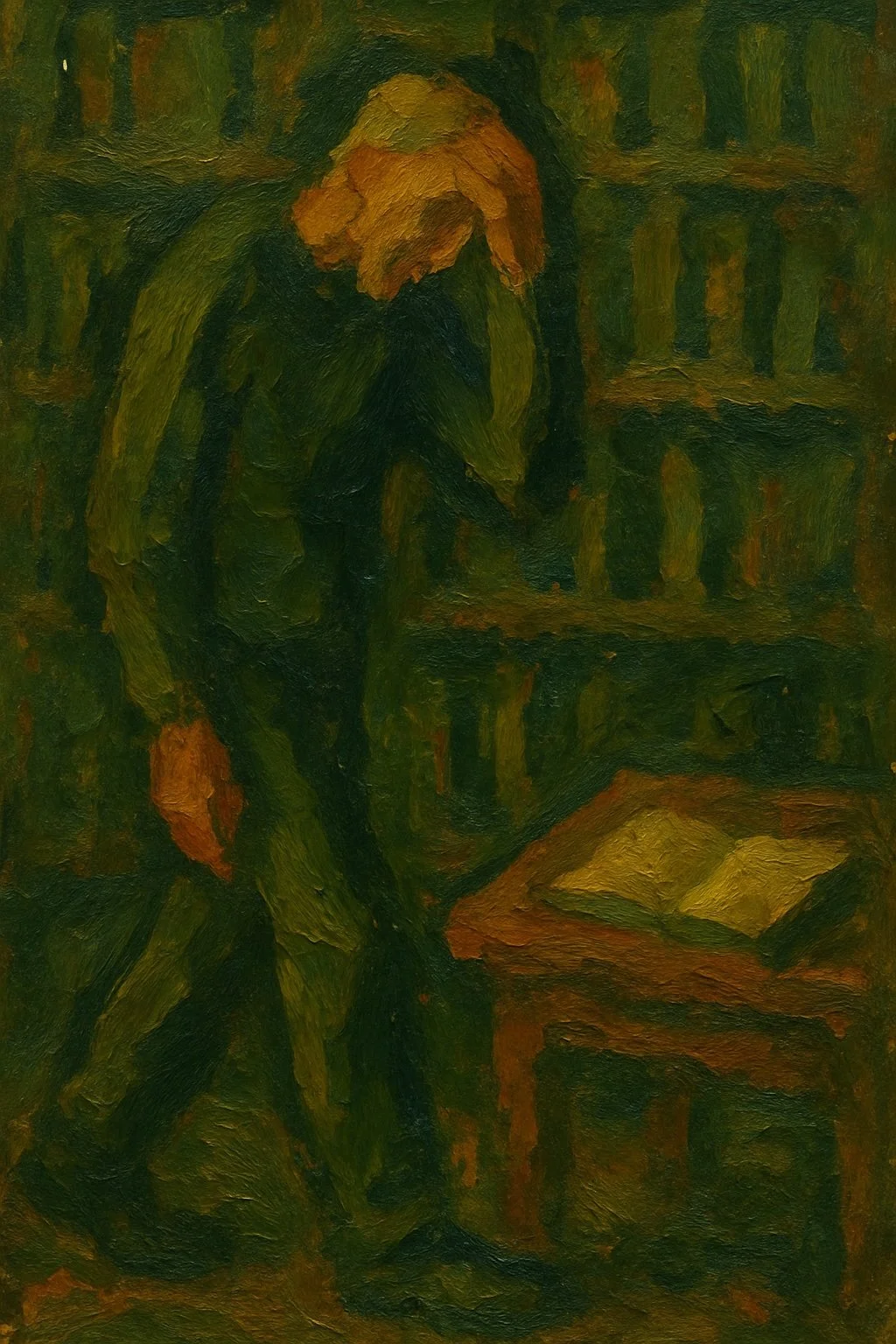
The essay form thrives when the writer embraces the unknown. Doubt is another invitation to attend closely to the shifting thoughts and feelings. A writer who holds that uncertainty with care discovers new patterns of meaning in the process. With the support of an online creative writing mentor, the writer’s capacity to stay inside this unsettled space expands.

How Memoirists Learn to Break the Timeline
Hiring a writing coach helps memoirists understand when chronology is serving the story and when it is limiting it. Some sections may need to unfold in time because the sequence itself carries meaning. Others may open more fully when freed from that constraint. The coach guides the writer toward the structure that best expresses the emotional movement of the work.

Why the Three-Quarter Mark Tests a Writer’s Resolve
At this stage, the writer is navigating a convergence of structural and emotional challenges. A creative writing coach can read the draft with a level of clarity that the writer, immersed in the work, often cannot maintain. They see the architecture without the noise of self-doubt.

What Critique Teaches Us About Our Own Voice
A thoughtful manuscript critique offers a way of seeing the work that reveals its potential. Skilled writing consultants approach a manuscript with curiosity and attention as they look for the deeper patterns that hold the piece together. They notice the places where the writer’s voice feels most alive and consider how the rest of the work might rise to meet that level.