

Welcome to our informational blog.
Topics covered include literary theory and practice, academic writing techniques, philosophy of education, and explanations of our methods for strengthening creative intelligence.

The Problem of Overplotting
Transitions can remain slightly porous, permitting one thread to bleed into another. At the sentence level, a writer might favor structures that delay resolution, introduce qualifiers, and allow perception to shift midstream. A book writing consultant might point to a moment where a character makes a decision and suggest introducing a competing impulse that remains unresolved.
The Limits of Knowledge in Fiction
What matters is how clearly the limits of knowledge are defined for each character. When those limits are specific, the reader can follow the logic of what is known and what remains out of reach. When they are not, the narrative starts to drift. The work of a literary coach tends to focus on clarifying what each character knows at a given moment and how that knowledge shapes their decisions.

What Pacing Really Means at the Sentence Level
When a novel feels compelling despite a lack of overt action, it is often because the sentences are continuously adjusting the reader’s orientation. For writers, this raises a practical question: How can one tell whether a passage is generating movement or merely occupying space? A fiction writing coach looks closely at how sentences function within a paragraph and how paragraphs relate to one another.

Where a Chapter Should End
Book critique services can play a direct role in bringing distance to a part of the text that the writer often experiences too closely. When a writer is immersed in a draft, it becomes difficult to identify where a scene has already achieved its effect. A critique can point to the exact moment where the chapter should end, often by marking where the reader’s understanding shifts.
Writing Professional Worlds
Writers who have done extensive preparation often feel reluctant to cut material. A book writing consultant can identify where the flow of information slows the narrative and suggest how to convert that research into action.
Breaking Your Defaults as a Writer
A writer’s defaults often feel like intentional choices rather than deeply ingrained habits. Author coaching can identify where the writing repeats a familiar move and where it avoids pressure. More importantly, a coach can propose specific revisions that interrupt those patterns.
How Brief Encounters Reshape a Novel
A writing consultant can help locate where a minor character has the potential to redirect the story in a meaningful way. This often involves clarifying the minor character’s position within the scene. Even a brief appearance gains force when the character has a defined orientation toward what is happening.

The Narrative Lives of Recurring Objects
Manuscript critique services also help align objects with the larger structure of the novel. An object tied to an early desire can return near the end under conditions that expose the limits of that desire. An object associated with one character can pass into another character’s hands, shifting its meaning through that transfer.

How Writers Guide and Misguide the Reader
Writers tend to miss these moments because they know the underlying structure of the story. They can see the full pattern, so it is easy to assume that the reader will see it as well. An outside reader does not have that advantage. A writing coach or manuscript consultant reads the draft as it stands, forming expectations in real time.

Time Gaps in Fiction: What to Show and What to Withhold
A professional writing coach can help a writer test whether the passage across time is doing enough work on the page. From within a draft, it is easy to assume that the connection between past and present is clear. The writer already knows what has taken place during the missing years. A reader does not share that knowledge.
When Characters Misunderstand Each Other
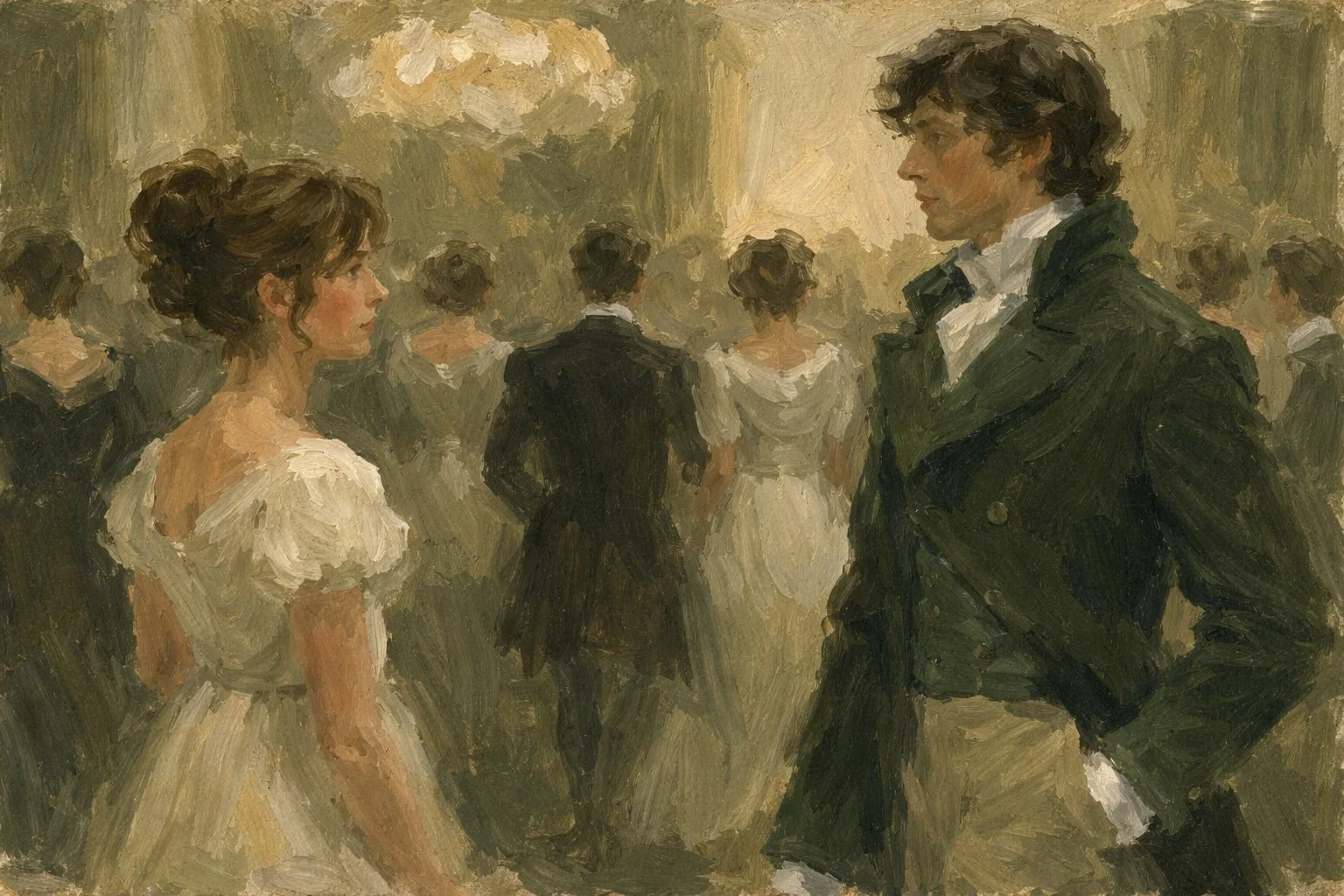
A writer may recognize that a misunderstanding could drive the scene, then move too quickly to clarify it. A book coach can help a writer remain inside that uncertainty long enough for it to matter. In manuscript consultation, this often begins with identifying where a character’s interpretation diverges from what is actually happening.

The Work That Happens Away from the Page
A writer may assume they have stalled when, in fact, they are approaching something that requires more time. Another writer may remain untethered from the page. A creative writing coach can help distinguish between these situations.

How a Novel Writing Coach Reads Your First Paragraph
A novel writing coach looks at how the opening positions the entire work. A manuscript consultation can determine whether the voice introduced in the first paragraph continues with consistency.
A Brief History of Mexican Literature
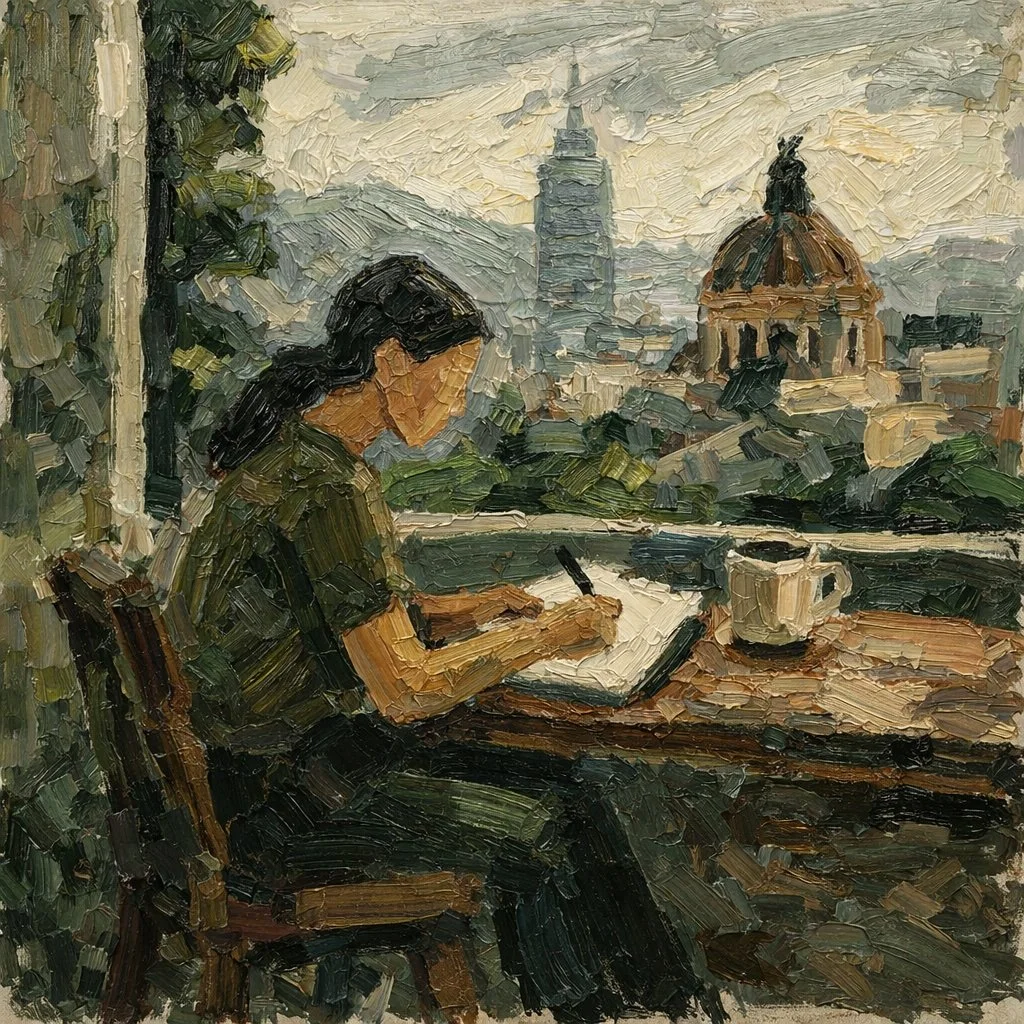
Manuscript consultation with a publishing consultant can help clarify the relationship between a writer’s material and their chosen form. If a manuscript draws on multiple timelines, the question becomes how those timelines interact on the page. If it incorporates elements of myth or memory, the consultant can help determine how those elements are introduced, how they accumulate, and how they shape the reader’s understanding.

Bearing Witness: The Craft and History of Latin American Testimonio
For contemporary writers, especially those interested in nonfiction or hybrid forms, testimonio offers a way to think differently about voice and authority. They may be writing about their own communities, or collaborating with others to bring a story into written form. The stakes are high, both ethically and artistically. Manuscript critique services with a creative writing coach can help clarify the structure of such a project.

Writing Into the Unknown
Over time, this uncertainty starts to feel like a familiar part of the practice rather than a sign of failure. Still, the temptation to force an ending can be strong, especially when the draft feels vulnerable to criticism. A fiction writing coach can redirect attention back to the work itself.
Writing Every Day: Lessons from the Habits of Famous Authors
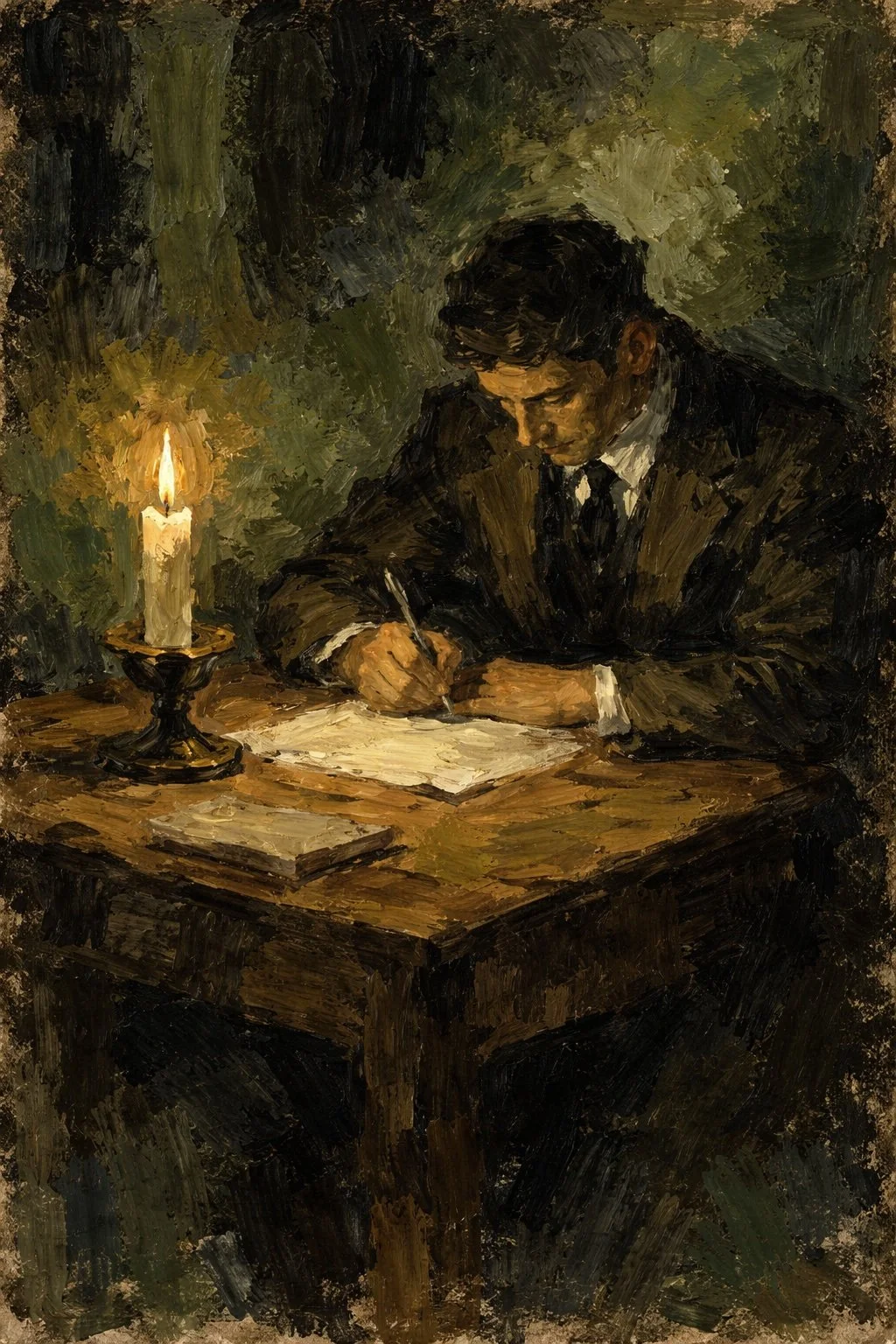
A writer sets an ambitious schedule, fails to meet it, and then begins to associate the practice itself with disappointment. Author coaching helps interrupt this cycle by recalibrating the scale of the practice. This might mean writing for thirty minutes instead of three hours, or committing to three days a week instead of seven. Consistency grows out of repetition that feels sustainable.
The Precision of Desire: Craft Lessons from Madame Bovary
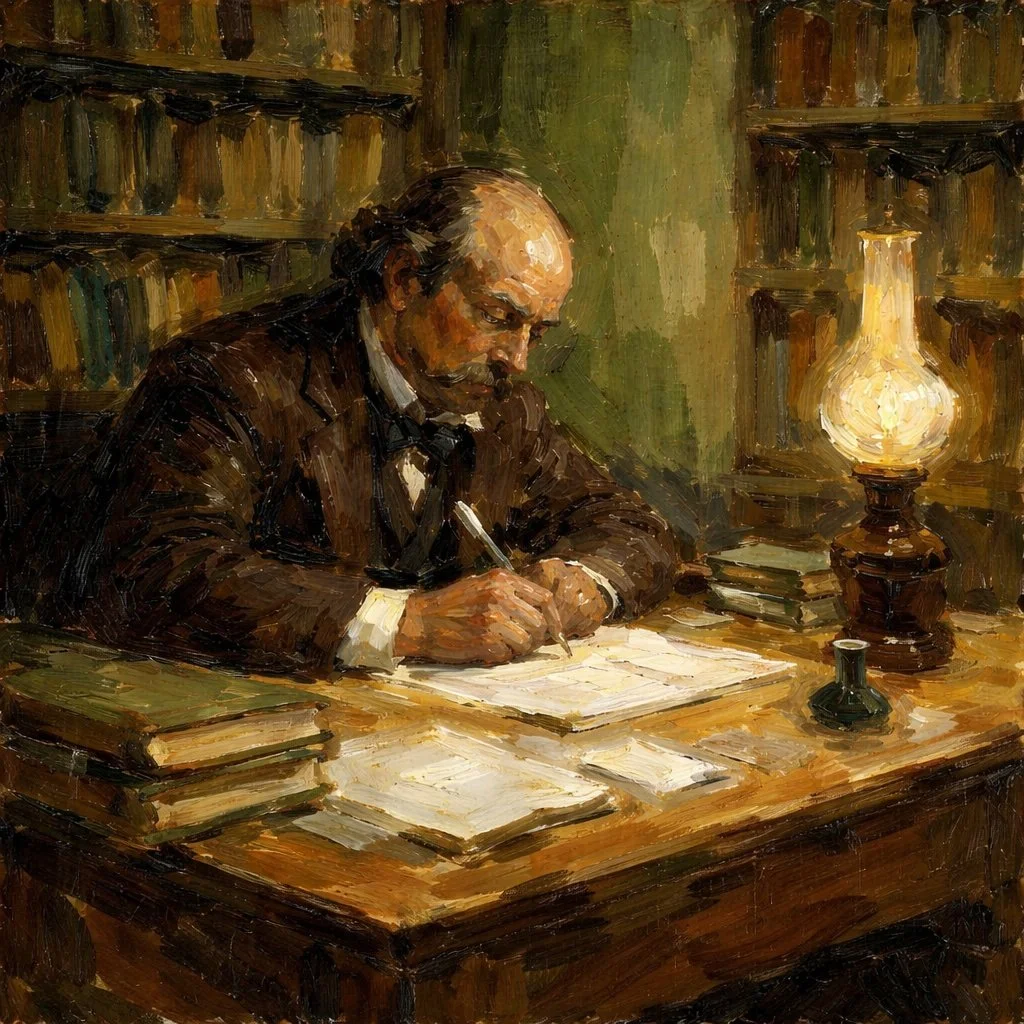
Flaubert spent nearly five years completing Madame Bovary. The modern publishing world often rewards speed, yet enduring literature tends to emerge from sustained attention, sometimes lasting for years. A book writing coach can help maintain momentum while also protecting the slower rhythms necessary for revision.

The Role of Curiosity in Writing Instruction
When a tutor approaches a draft with the goal of understanding it rather than correcting it, the session begins in an entirely different spirit, one that turns the conversation toward discovery. Instead of treating the text as a problem that must be fixed, a writing coach begins by asking questions that help reveal what the writer is trying to explore.
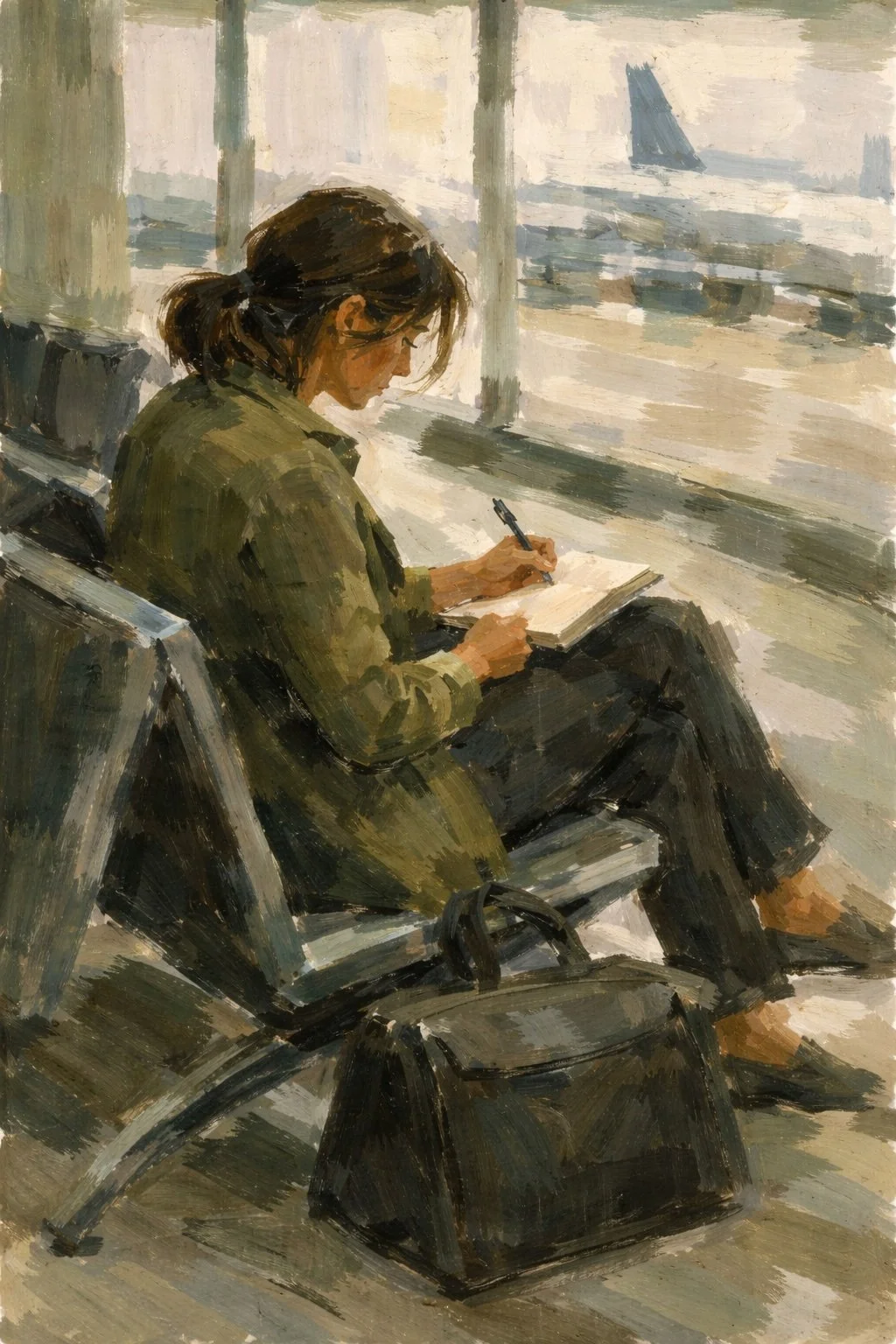
Inside the Writer’s Notebook: Gathering the Seeds of Fiction
On days when a chapter refuses to move forward, the notebook offers another path into creative work based on observation. Many writers are uncertain about how to transform those pages into stories. A fiction writing coach can help the writer read their notebook with new eyes.