

Welcome to our informational blog.
Topics covered include literary theory and practice, academic writing techniques, philosophy of education, and explanations of our methods for strengthening creative intelligence.

How Writers Create a Sense of Fate
A book writing consultant can be especially useful here because fate is often difficult for the writer to see from inside the manuscript. The author may know what happens, but may not yet know whether the events feel earned. A consultant can look at the draft’s repetitions, symbols, turning points, and buried tensions, then help identify which elements are carrying genuine force and which ones need more development.

The Strange Seriousness of Nonsense in Children’s Literature
Imagination becomes more powerful when it works within some kind of framework. Freedom, in these works, exists inside the pattern rather than outside it. Literary mentorship can deepen that understanding.

The Fiction of Ordinary Days: Routine in Coming-of-Age Stories
The question is not merely what a character does every day, but what the routine reveals. Writers often know the major events of a coming-of-age story, but they may not yet know how to build the daily world that gives those events emotional force. A manuscript critique with a fiction writing coach can help identify whether the character’s routines feel specific enough, whether the setting has a lived texture, and whether repeated scenes are deepening rather than flattening the story.

Why Character Analysis Matters for Middle School Readers
In school, a teacher may have twenty or thirty students in the room, a curriculum to follow, and limited time to pause over one student’s confusion. A literary coach can work slowly and responsively. They listen to how the student explains a scene, notice where the thinking becomes vague, and ask the next question that will help the student become more precise.
How Bad Decisions Drive Literary Fiction
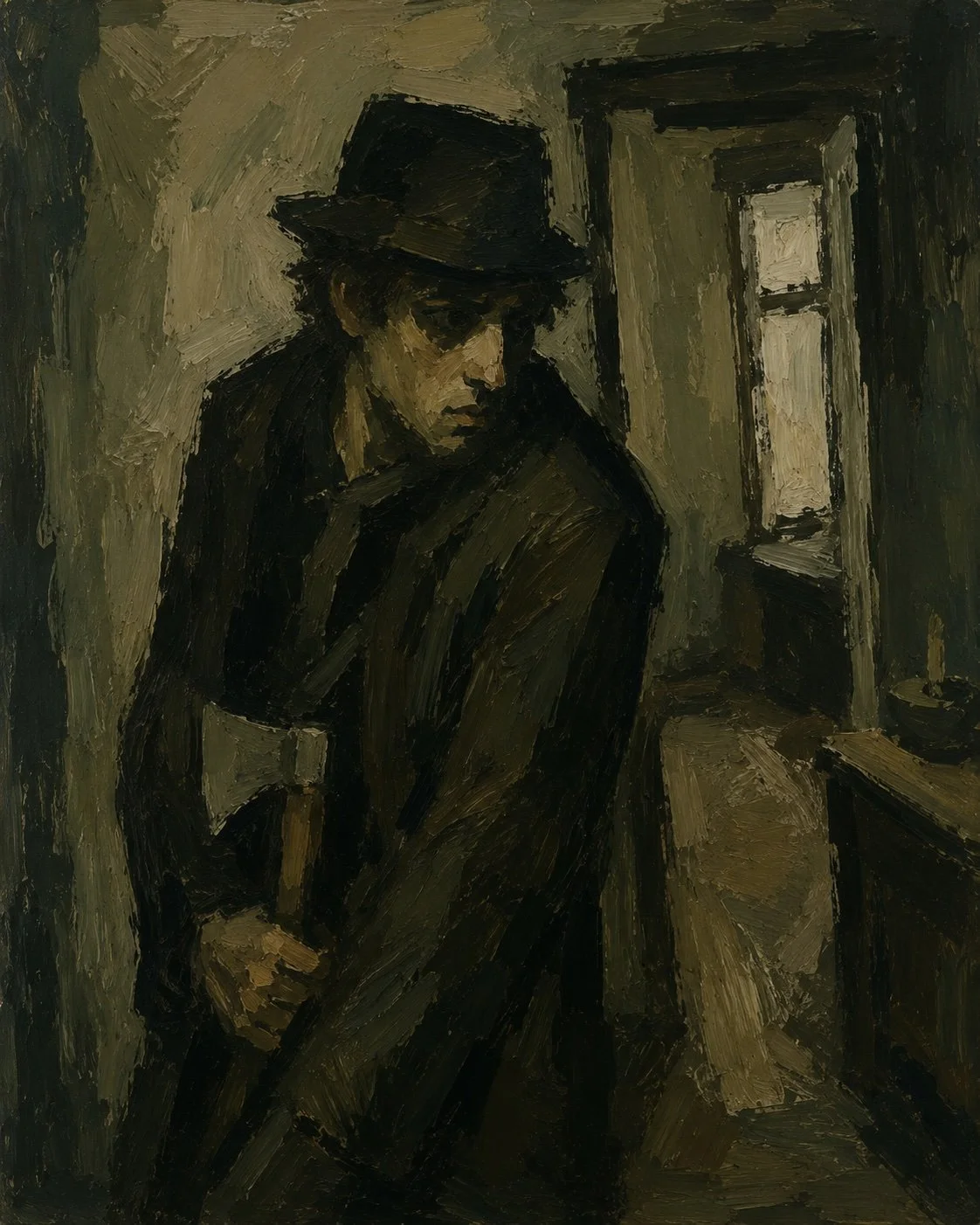
Writers often know what their characters are doing, but not always why those actions carry weight. A novel coach can help determine whether a character’s choices grow naturally from the story’s central tensions or whether they’ve been added simply to create drama.

Why Good Characters Often Misunderstand Themselves
Many writers sense that a character feels flat, inconsistent, or emotionally distant, but they cannot always identify why. Writing coaching services can help locate the missing layer. Often, the problem is not that the character lacks traits or backstory. The problem is that the character lacks an inner contradiction strong enough to shape the story.

The Literature of Waiting
Author coaching can help identify the difference between empty delay and waiting that feels charged. The question is not only whether something happens in the scene. The deeper question is what changes while the character waits.
An Unreliable Atmosphere
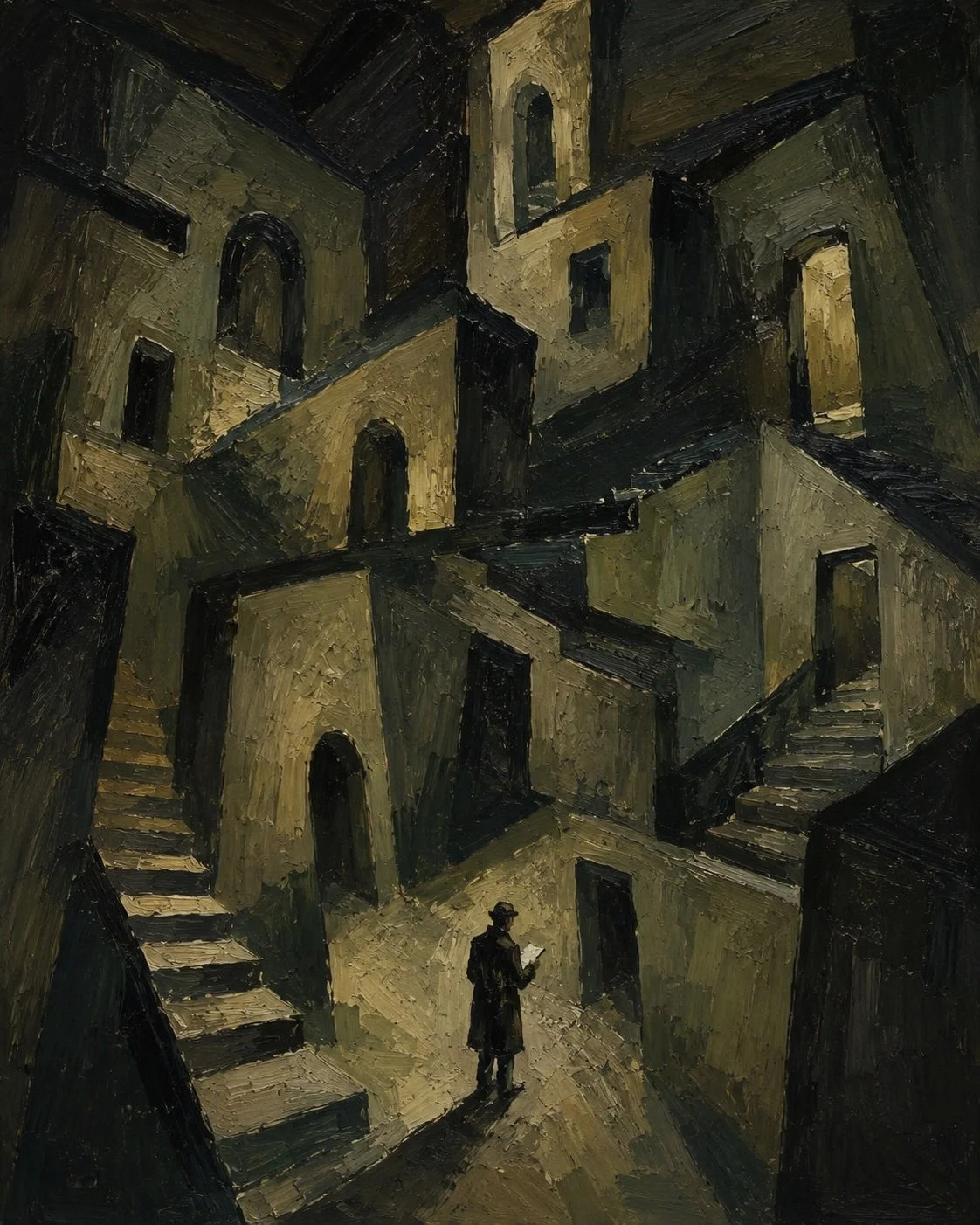
If the writer explains too quickly, the spell breaks. If the writer withholds too much, the atmosphere becomes murky. A book writing coach can help identify where the draft needs a firmer concrete detail, where it needs less interpretation, and where a setting might carry more of the story’s emotional burden.

The Literature of Errands
Hiring a good writing coach can help a writer notice when a draft has become too internal, too static, or too dependent on explanation. Rather than simply saying, “Add more action,” a coach can help identify the kind of action the story actually needs. Sometimes the solution is not a major plot twist. The right small action can often release energy that was already present in the material.
No Exit: Crafting the Bottle Episode
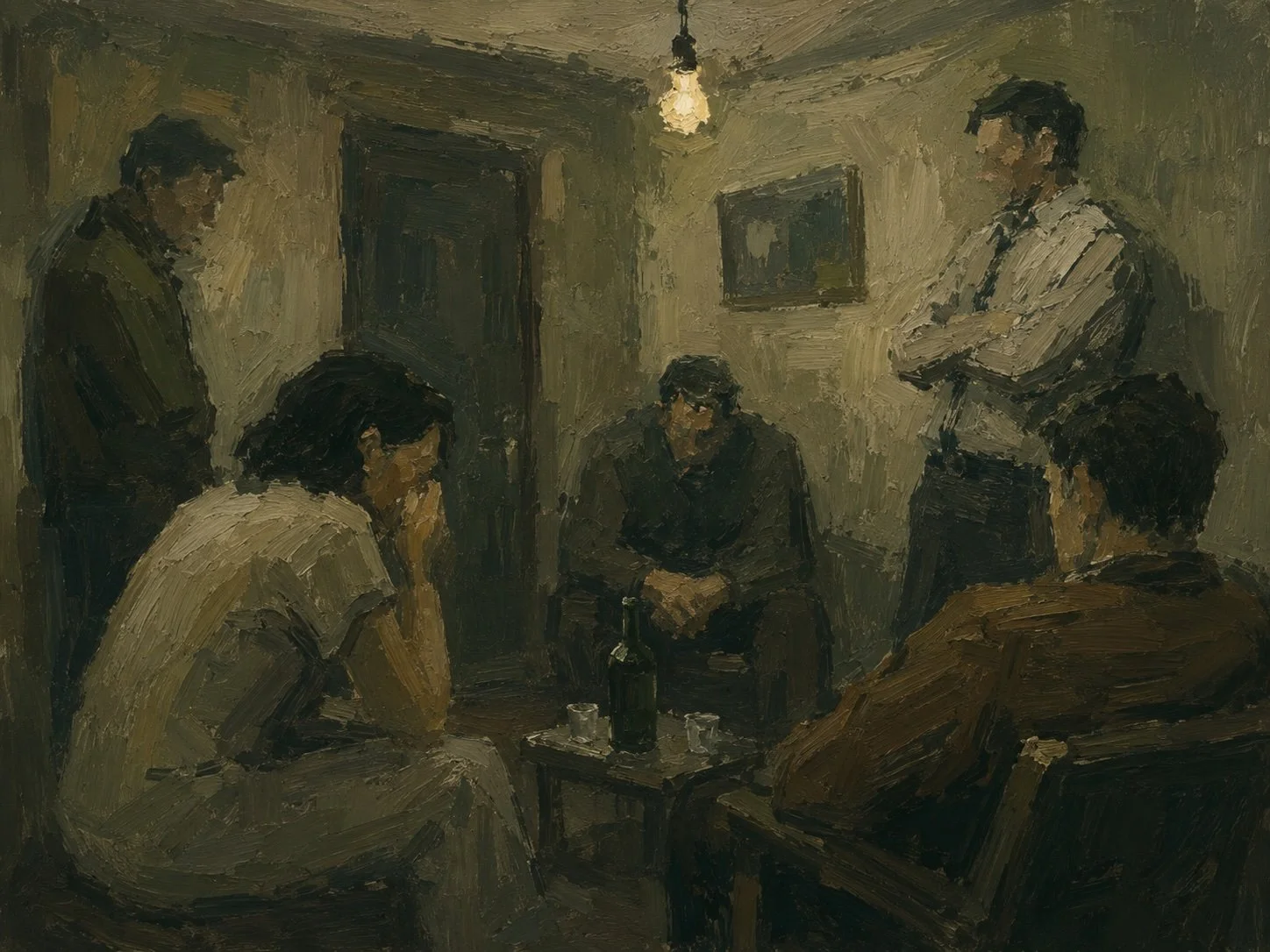
The bottle episode teaches economy. It asks the writer to look closely at what happens when characters cannot easily leave, change the subject, or distract themselves with action. Under those conditions, the drama has to come from behavior. For a writer developing a screenplay with a screenwriting consultant, few exercises are more revealing than placing characters in a confined situation and asking what they will do when the story stops giving them room to run.
How to Write a Convincing Crowd Scene
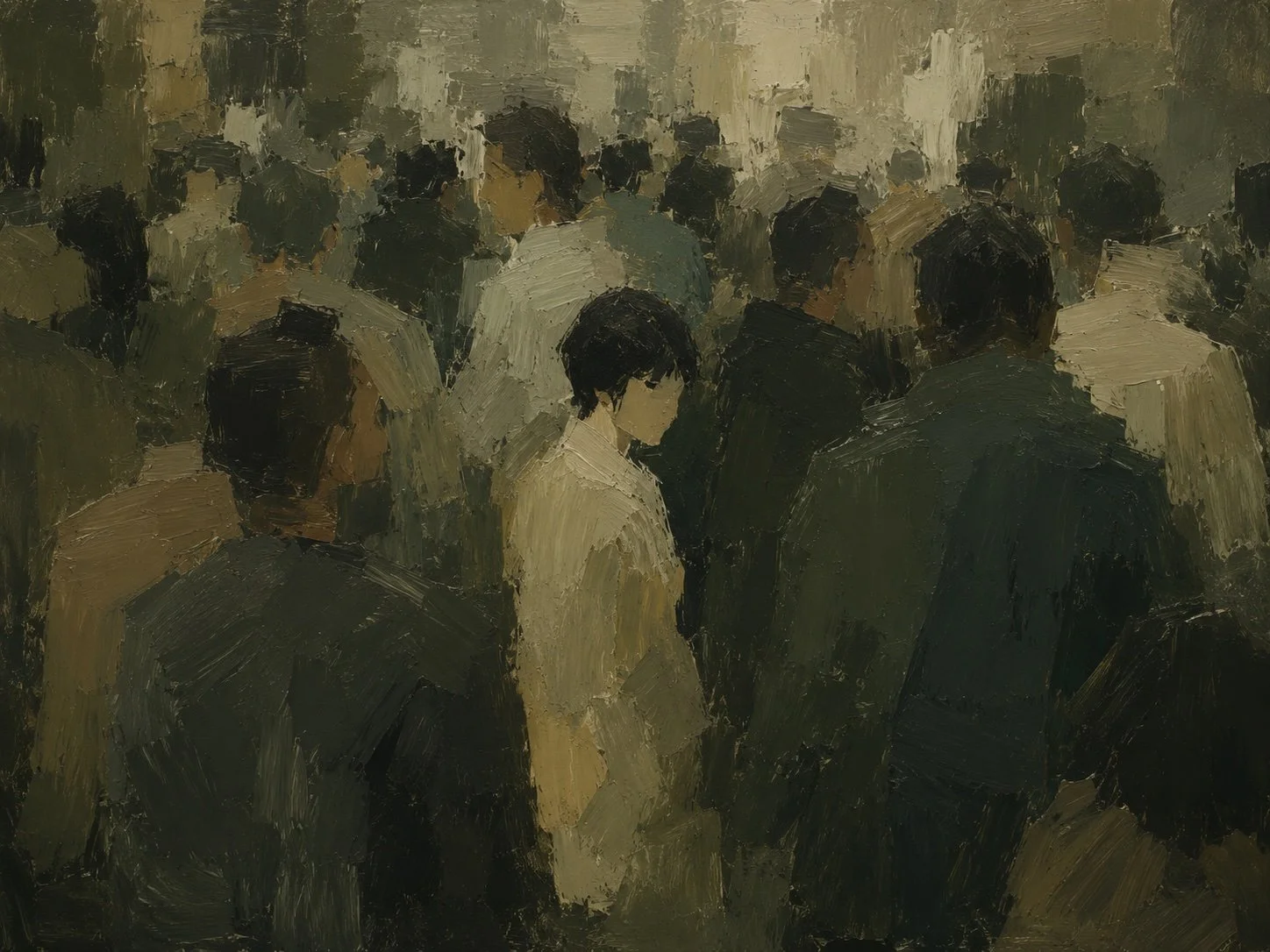
An author mentor can look at the manuscript as a whole and ask what the crowd scene is doing. If the purpose is strong, manuscript assessment can help the writer sharpen the tools that serve that purpose: fewer named characters, more selective sensory detail, a clearer emotional lens, stronger entrances and exits, and a better balance between collective motion and individual focus.

Desire and the Borrowed Self
In early drafts, writers often know what their protagonists want, but the desire may remain too general. The manuscript may say that a character wants love or recognition, but the scenes may not yet show the social origins of that desire. A careful manuscript critique can identify where the central longing needs to be developed.

The Social Life of Shame in Fiction
Many writers instinctively protect their characters from embarrassment, especially when those characters resemble them. They soften the scene, explain the mistake too quickly, or rescue the character before the discomfort has done its work. Author coaching can help a writer recognize where the draft is flinching. The embarrassing moment may be exactly where the story is most alive.

The Literature of Bad Jobs
Many writers know their characters’ emotional lives but have not yet fully imagined their economic lives. They know what a character longs for, fears, or remembers, but they have not asked enough concrete questions about how that person spends Tuesday afternoon. Author mentorship can help a writer see how work is one of the strongest ways to reveal the structure of a life.

The Picaresque Novel and the Rogue's Roads to Survival
For contemporary writers inspired by this tradition, the challenge is to give wandering a shape. The picaresque can become shapeless if every episode merely repeats the same trick. A book coach can help a writer identify the deeper threads that run underneath the journey.
Writing the Fractured Self
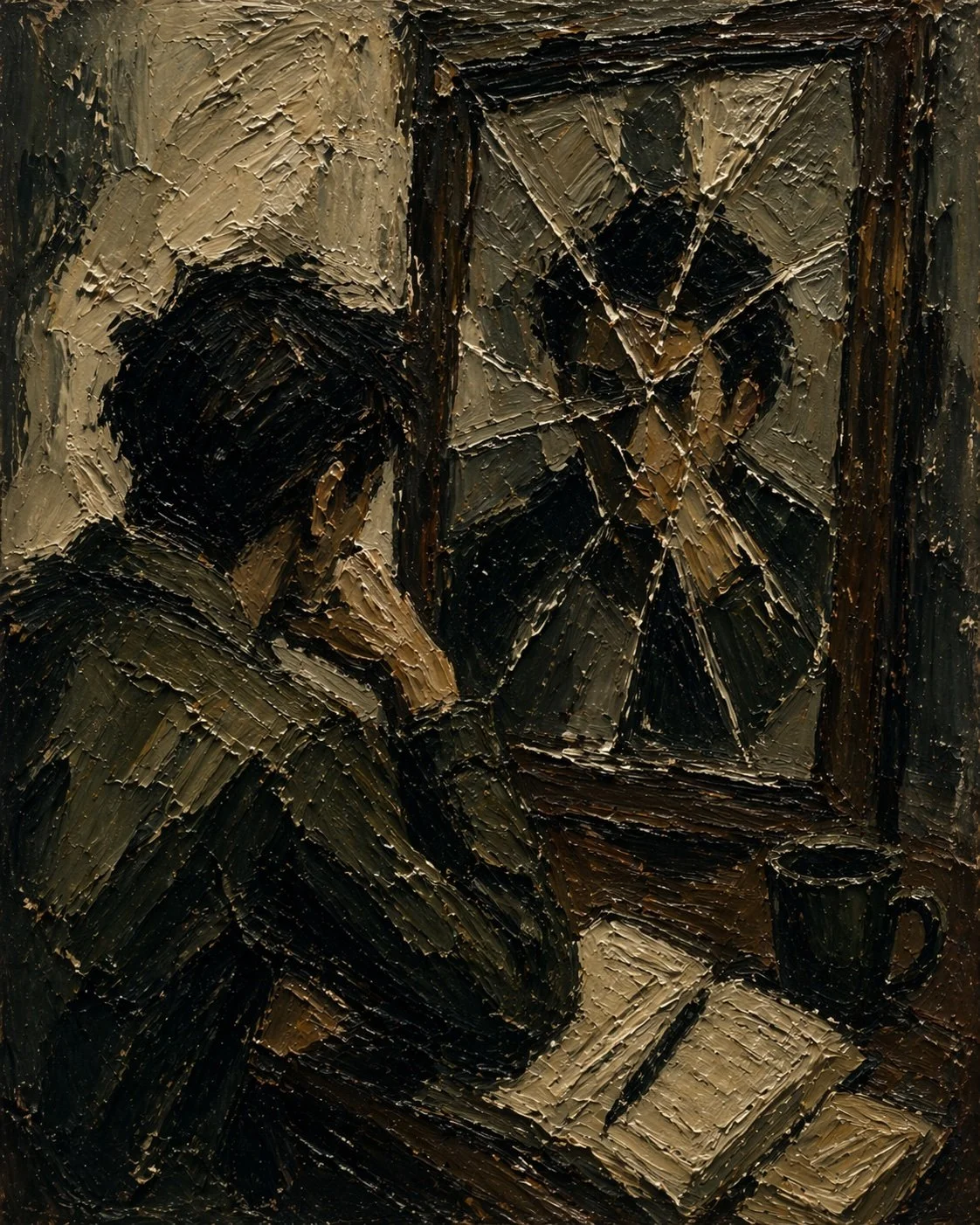
Many writers sense that a character feels flat or overdetermined, but they do not yet know why. Often, the problem is that the character has not been imagined deeply enough as a person with competing pressures and unstable self-understanding. Author mentorship can help a writer move beyond abstract ideas about a character’s inner world to dramatize those states in scene.

The Limits of Knowledge in Fiction
What matters is how clearly the limits of knowledge are defined for each character. When those limits are specific, the reader can follow the logic of what is known and what remains out of reach. When they are not, the narrative starts to drift. The work of a literary coach tends to focus on clarifying what each character knows at a given moment and how that knowledge shapes their decisions.

What Pacing Really Means at the Sentence Level
When a novel feels compelling despite a lack of overt action, it is often because the sentences are continuously adjusting the reader’s orientation. For writers, this raises a practical question: How can one tell whether a passage is generating movement or merely occupying space? A fiction writing coach looks closely at how sentences function within a paragraph and how paragraphs relate to one another.
Writing Professional Worlds
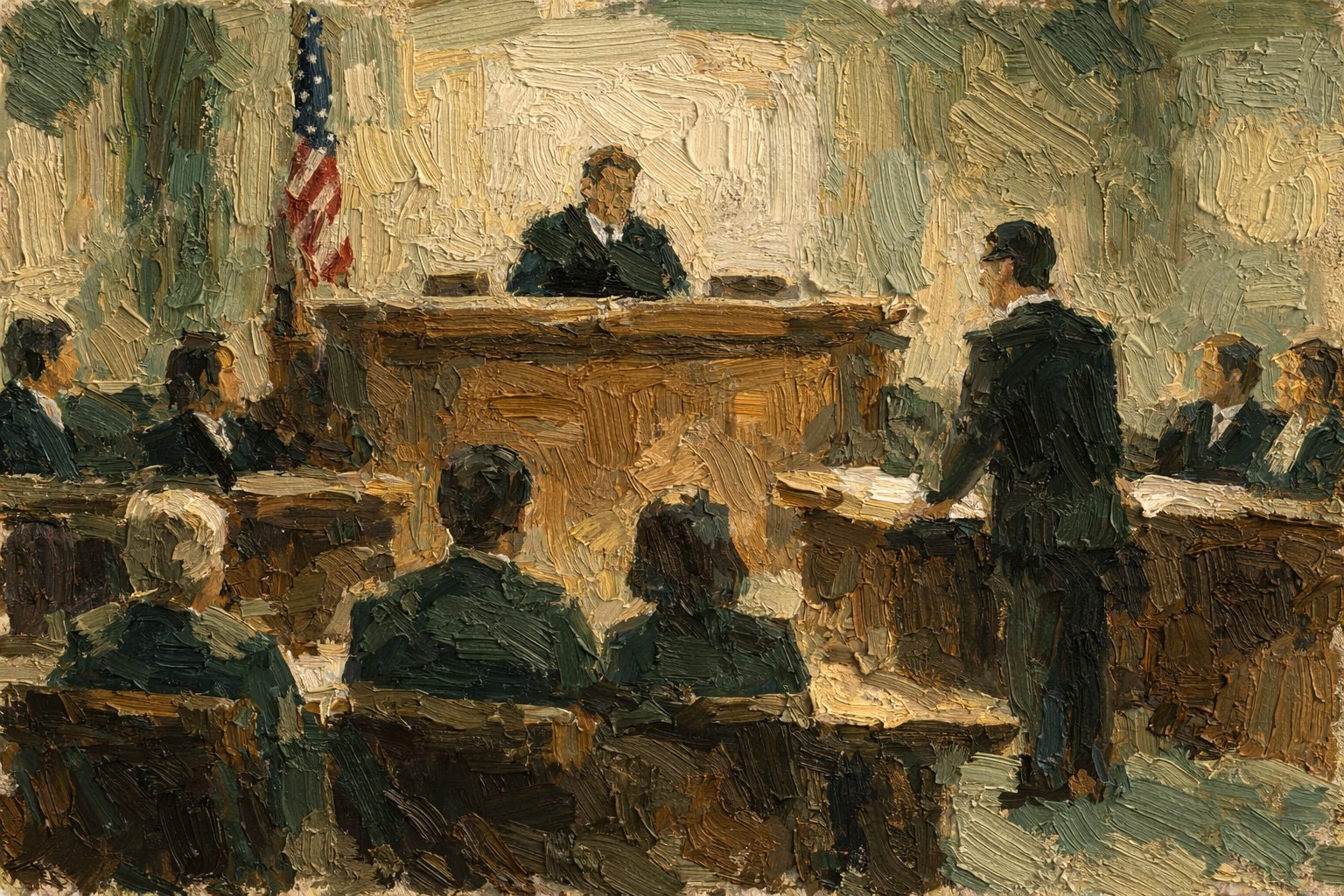
Writers who have done extensive preparation often feel reluctant to cut material. A book writing consultant can identify where the flow of information slows the narrative and suggest how to convert that research into action.
How Brief Encounters Reshape a Novel
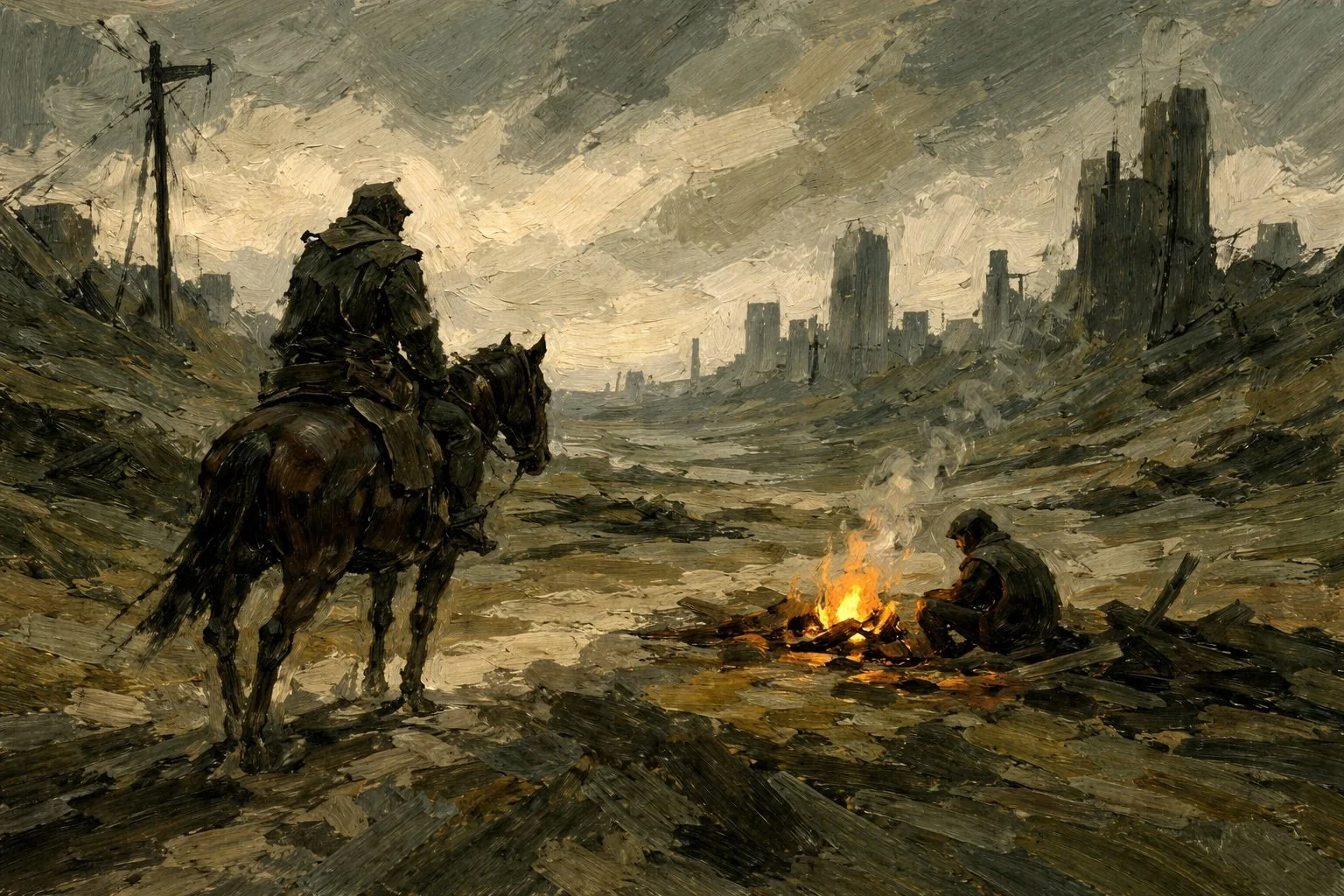
A writing consultant can help locate where a minor character has the potential to redirect the story in a meaningful way. This often involves clarifying the minor character’s position within the scene. Even a brief appearance gains force when the character has a defined orientation toward what is happening.