

Welcome to our informational blog.
Topics covered include literary theory and practice, academic writing techniques, philosophy of education, and explanations of our methods for strengthening creative intelligence.

The Narrative Lives of Recurring Objects
Manuscript critique services also help align objects with the larger structure of the novel. An object tied to an early desire can return near the end under conditions that expose the limits of that desire. An object associated with one character can pass into another character’s hands, shifting its meaning through that transfer.

How Writers Guide and Misguide the Reader
Writers tend to miss these moments because they know the underlying structure of the story. They can see the full pattern, so it is easy to assume that the reader will see it as well. An outside reader does not have that advantage. A writing coach or manuscript consultant reads the draft as it stands, forming expectations in real time.
When Characters Misunderstand Each Other
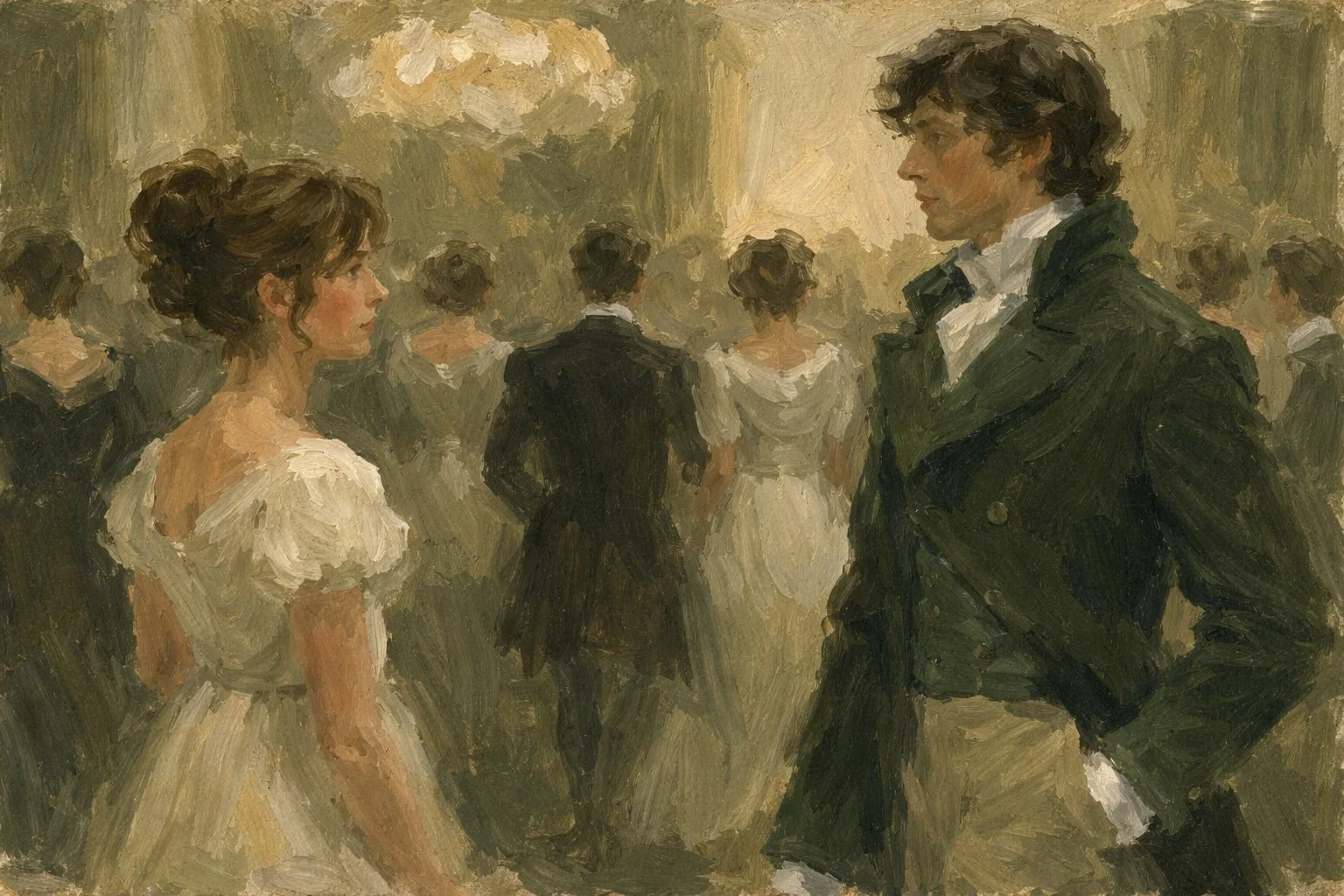
A writer may recognize that a misunderstanding could drive the scene, then move too quickly to clarify it. A book coach can help a writer remain inside that uncertainty long enough for it to matter. In manuscript consultation, this often begins with identifying where a character’s interpretation diverges from what is actually happening.
Inside the Writer’s Notebook: Gathering the Seeds of Fiction
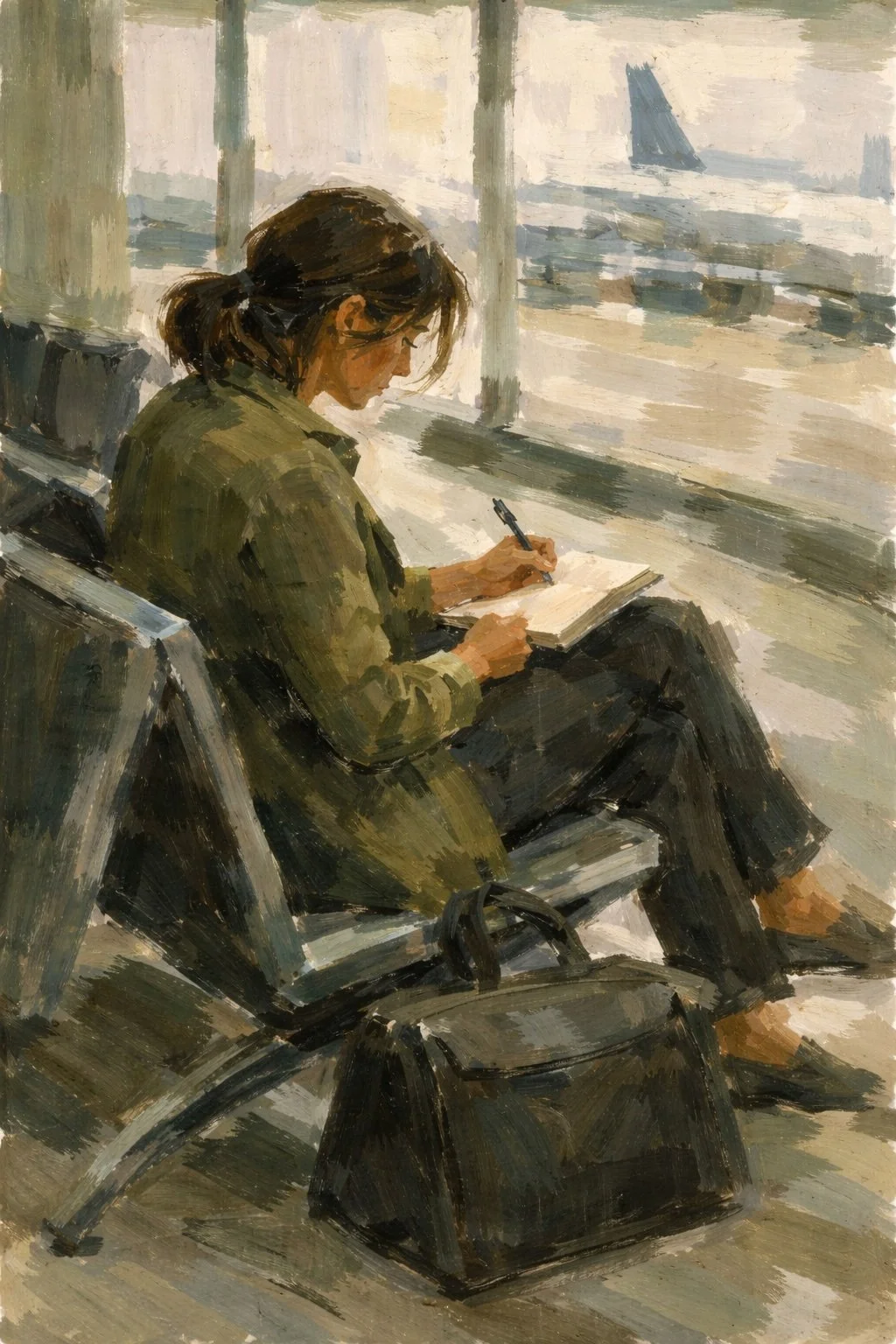
On days when a chapter refuses to move forward, the notebook offers another path into creative work based on observation. Many writers are uncertain about how to transform those pages into stories. A fiction writing coach can help the writer read their notebook with new eyes.
Mentorship as Apprenticeship in an Anti-Apprenticeship Age
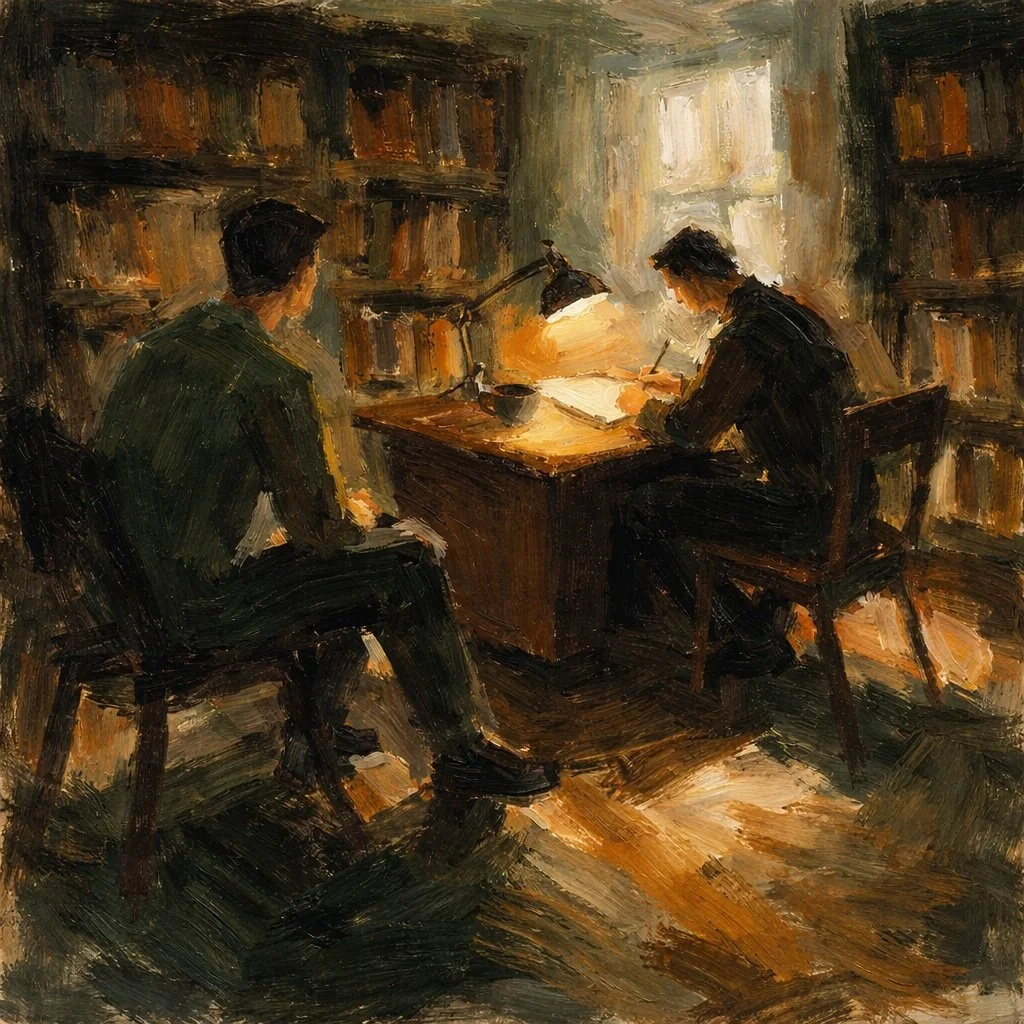
When a writer works alone, it is often easy to drift. Drafts accumulate without pressure to revise them fully. Author mentorship introduces a witness, someone who expects to see the next version and who will read it closely. That steady presence can be essential to cultivating a disciplined writing practice.
Persona and Performance: How Much of the “I” Is Constructed?
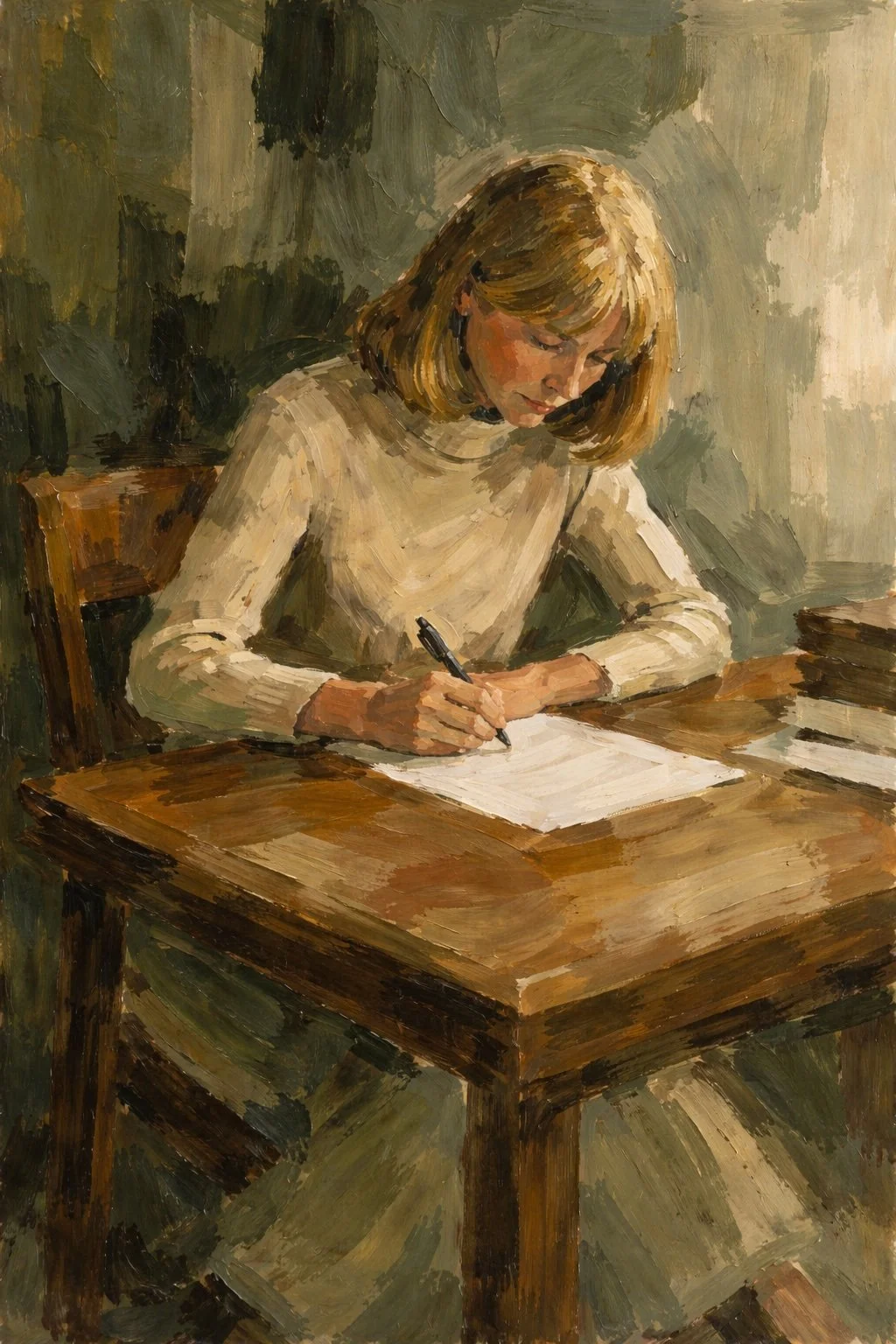
Who is telling this story? From what distance? With what knowledge of consequences? Is the narrating self older and reflective, or immersed in the immediacy of youth? A professional writing coach listens for inconsistencies in the narrative voice and helps the writer identify the emerging persona.

Rilke’s Letters and the Education of the Poet
The letters themselves demonstrate a paradox: the ethos of creative solitude is taught through relationship. Effective author mentorship, especially in poetry, involves holding two commitments at once. On one level, the mentor offers concrete guidance about structure, image, rhythm, and revision. On another level, the mentor protects the writer’s interior space.
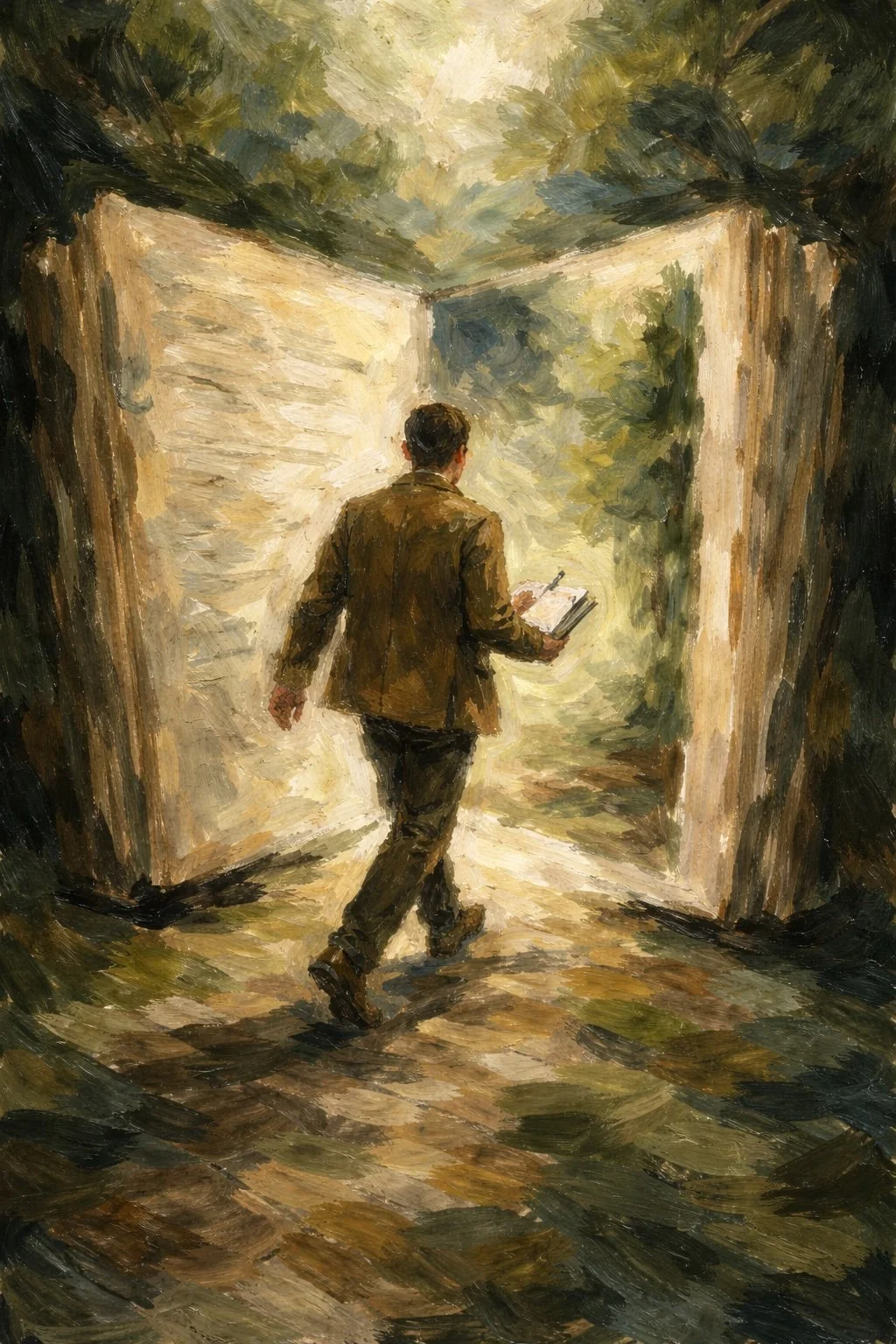
The Writer as Character: When the Author Steps Into the Story
When a writer has embedded themselves in a story, it is difficult to see clearly from inside it. A thoughtful manuscript assessment with a literary coach can help evaluate whether the authorial figure generates dramatic tension or drains it.

Character Under Pressure
People are revealed not by who they say they are, but by how they move through the limits imposed on them. When literary coaches teach writers to build pressure thoughtfully, character stops feeling like something to invent and starts feeling like something that happens naturally.
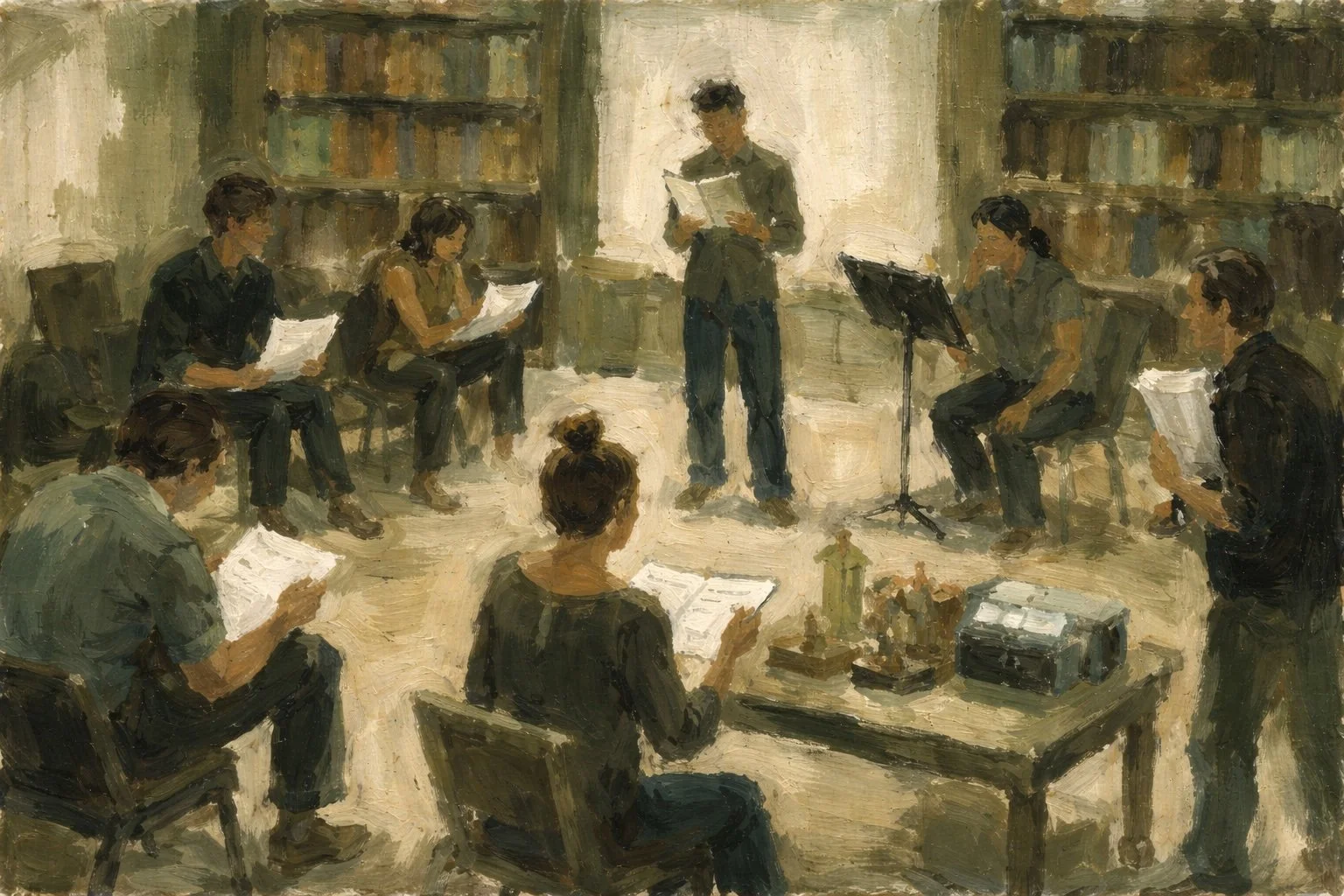
Writing Plays in Company: Collaboration as the Heart of Theater
While directors and actors focus on bringing a script to life in rehearsal, a script consultant occupies a slightly different position. A consultant reads the play with production in mind, but without the immediate pressure of staging. They stand between the private act of writing and the public act of performance.
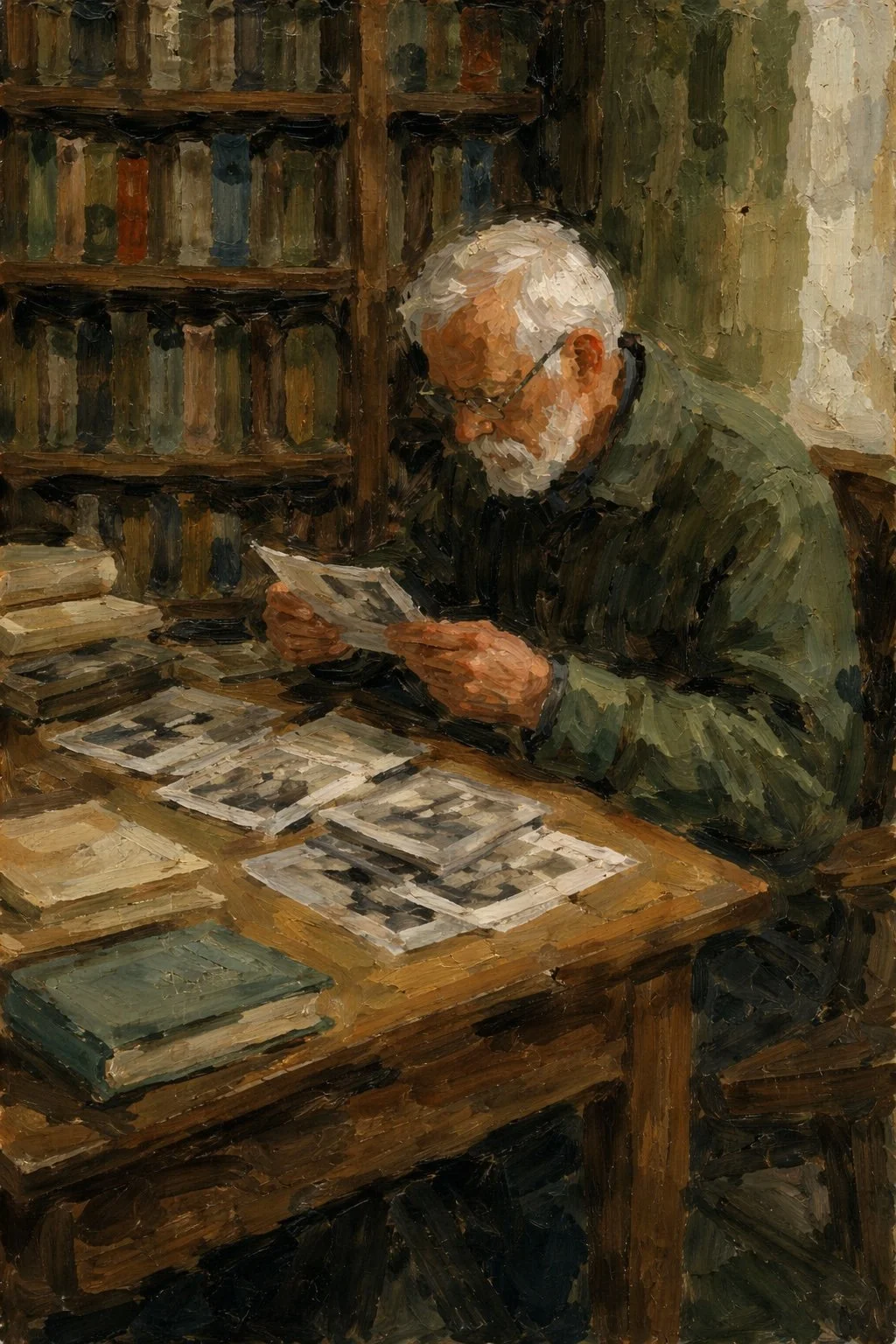
The Long Arc of Ambition in a Writer’s Career
As ambition evolves, author mentorship begins to shift. A strong mentor helps identify patterns in a writer’s work, both strengths and habits that limit growth. This kind of guidance resists general advice. It attends closely to the writer’s material, helping them see where ambition exceeds execution or where fear has narrowed the possibilities within a draft.

The Difference Between Voice and Persona
A good book publishing consultant understands that voice does not need to be invented or defended. When working with author bios, synopses, or pitch materials, a consultant can help the writer describe their work in a way that reflects its actual temperament.
The Quiet Work of Rebuilding a Writing Practice
A creative writing mentor is someone who can see the writer’s situation without being entangled in it. Their presence shifts the emotional weight of reentry. Instead of facing the blank page alone, the writer approaches with a companion who holds the thread of continuity.
Lessons in Scale from the Nineteenth Century Novel
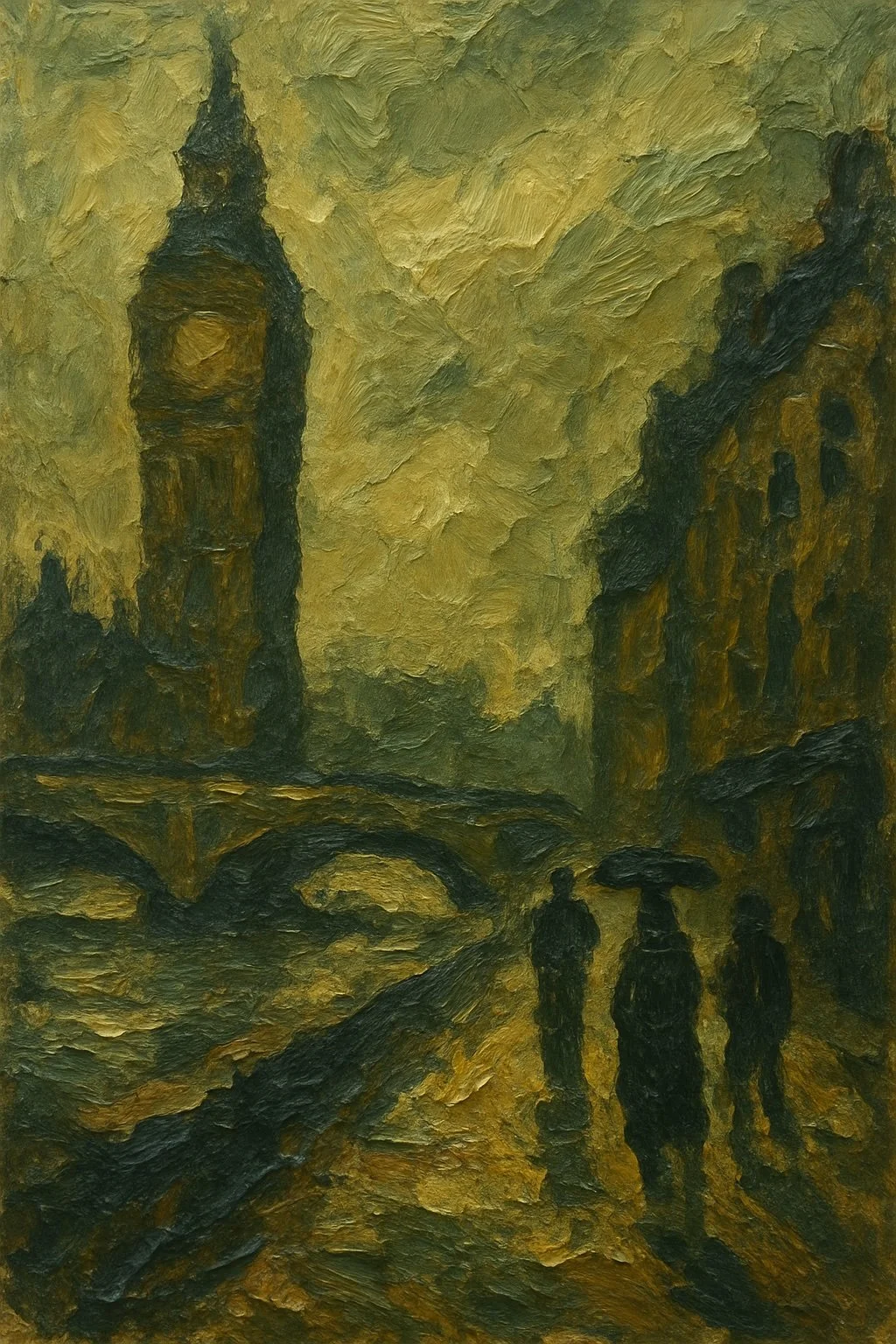
The Victorian novel trusts the reader’s appetite for gradual revelation. It relies on accumulation to invite a slower gaze. Working with a novel writing coach can help a writer translate these Victorian lessons into contemporary practice.

In Praise of What's Still Unfinished
A personal writing coach often helps a writer see the unfinished draft as evidence of progress instead of failure. A coach understands that writing unfolds in stages. Early drafts sprawl because they are supposed to sprawl. Characters contradict themselves because the writer is still learning who they are.

How Books Change With Us
Author mentors often encourage you to return to a book that once shaped you. They know that familiarity with the text gives you freedom to look more closely. Instead of rushing through the narrative, you can linger on a paragraph and notice how its movement is achieved. Mentors help you break down the mechanics of a moment that once felt mysterious. Their guidance gives you language for technique, which then becomes a tool you can apply to your own work.

The Hidden Possibilities Inside an Unfamiliar Voice
A writer working alone can sense when a shift in point of view might open the story. They can also feel unsure about how far to push the experiment. A manuscript consultation with a book publishing coach creates a space where those questions can be tested. The coach brings an outside ear that listens for tonal consistency, narrative balance, and the emotional undertones of a chosen voice.

When a Story Stays With You for Years
A book writing coach pays attention to the story’s internal evolution as well as the writer’s. They listen for the quiet signals that the project has entered a new stage and help the writer recognize when the story has matured enough for renewed work.

Learning to Remember: The Bildungsroman and the Writer’s Own Education
The best novel coaches understand that the writer’s craft and the writer’s consciousness are inseparable. To help someone shape a novel is to help them clarify their relationship to knowledge, power, and self-knowledge—the same concerns that animate the Bildungsroman. When done well, this relationship embodies the very philosophical principles that the Bildungsroman explores: autonomy, dialogue, moral perception, and the slow maturation of judgment.

The Writer as Teacher: What Fiction Teaches About Knowing and Being Known
The novelist creates conditions for insight, builds worlds that demand thought, empathy, and moral risk. The online writing coach, in turn, creates those same conditions for the writer. Both work in the same tradition of mentorship that has existed since the first dialogues of philosophy: one mind guiding another toward a clearer way of seeing.