

Welcome to our informational blog.
Topics covered include literary theory and practice, academic writing techniques, philosophy of education, and explanations of our methods for strengthening creative intelligence.
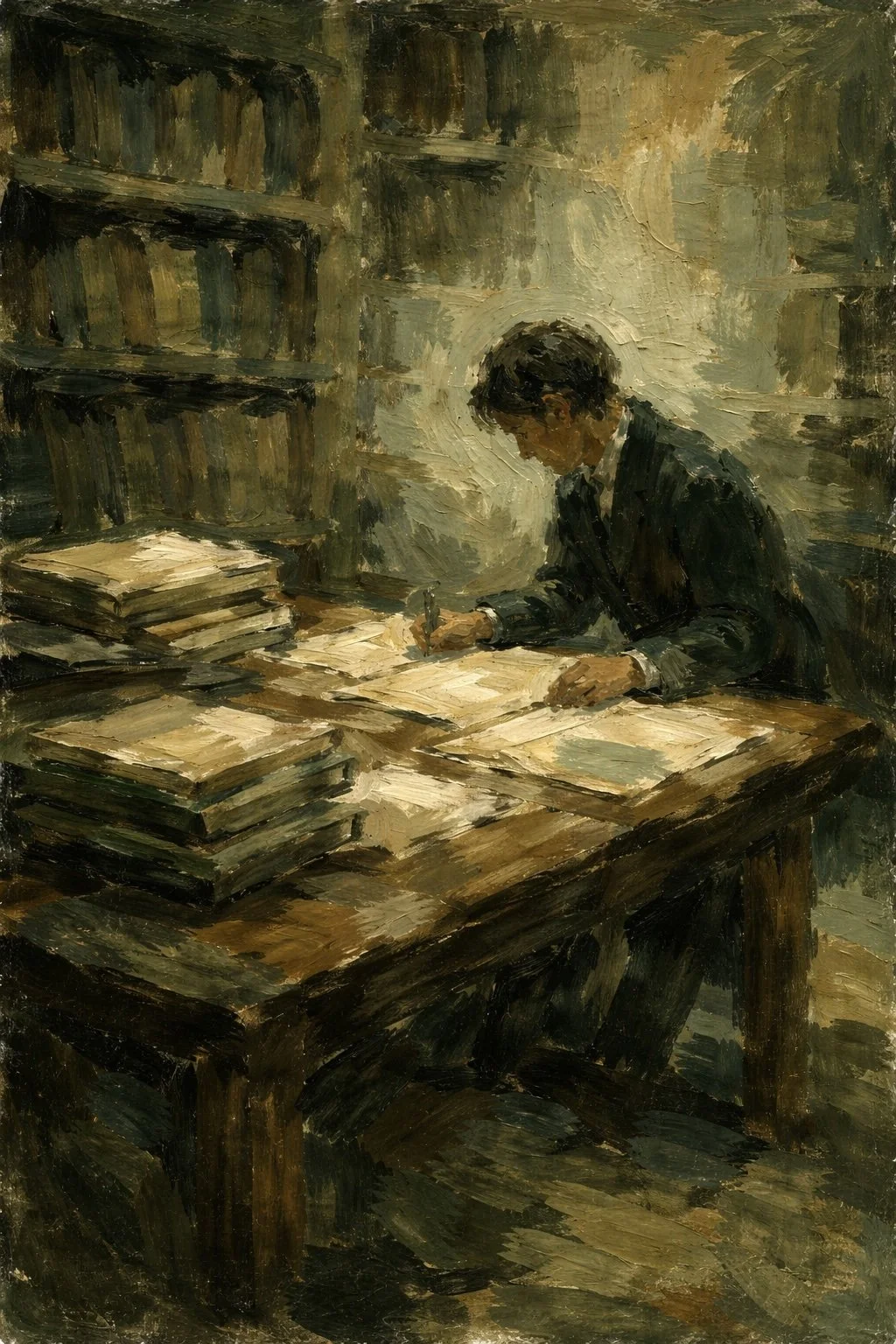
Writing from the Margins of the Archive
Writers working with fragmentary sources sometimes worry that gaps in the historical record will read as insufficient research. Manuscript consultation helps the writer focus on the narrative work that silence is doing and how it is positioned within the structure of the book.
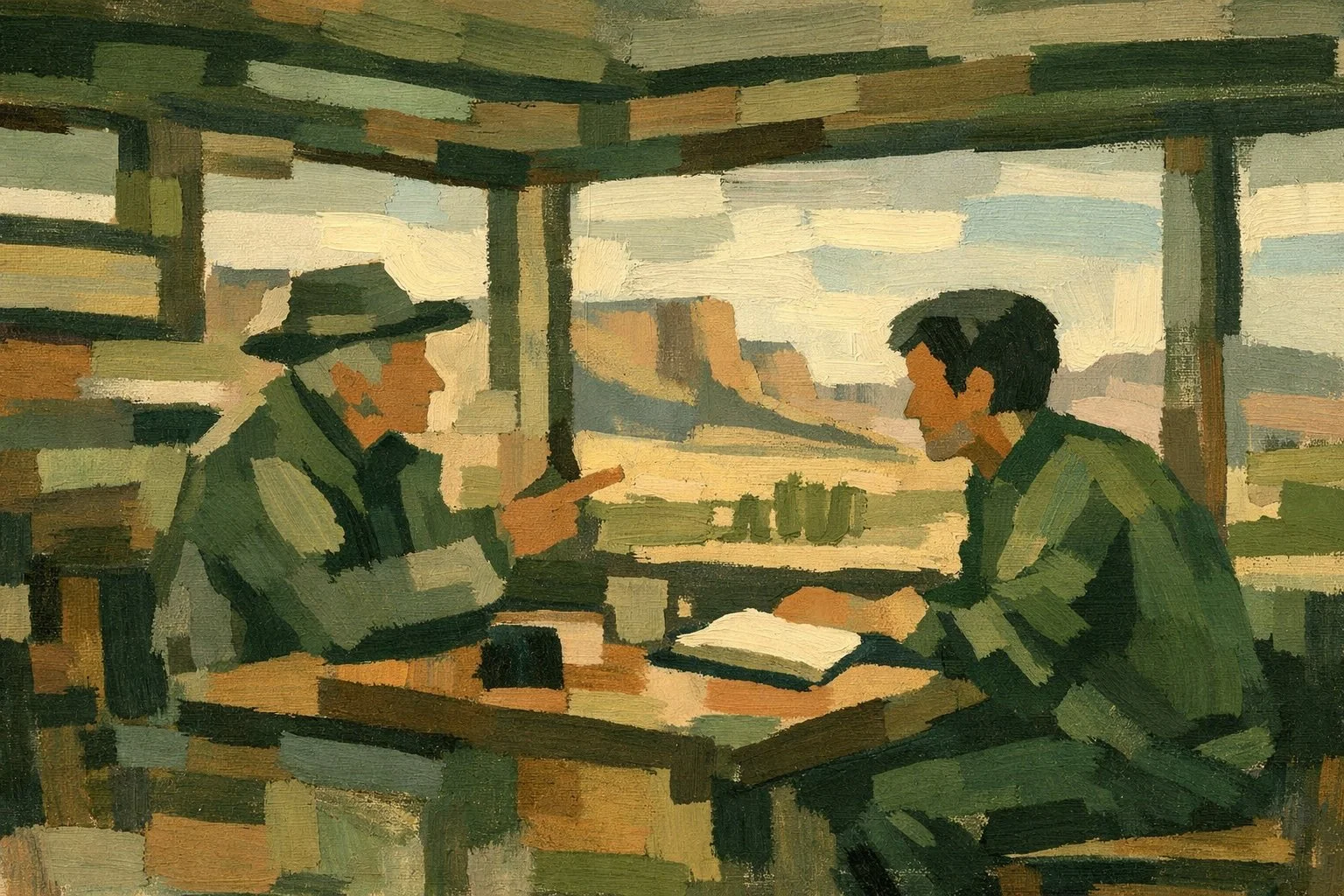
The Long View: Making Work Outside Literary Centers
Outside literary hubs, the role of a creative writing mentor becomes especially relevant. A mentor is someone who remembers what the work looked like six months ago, a year ago, before the writer themselves has forgotten. That memory matters more than approval.
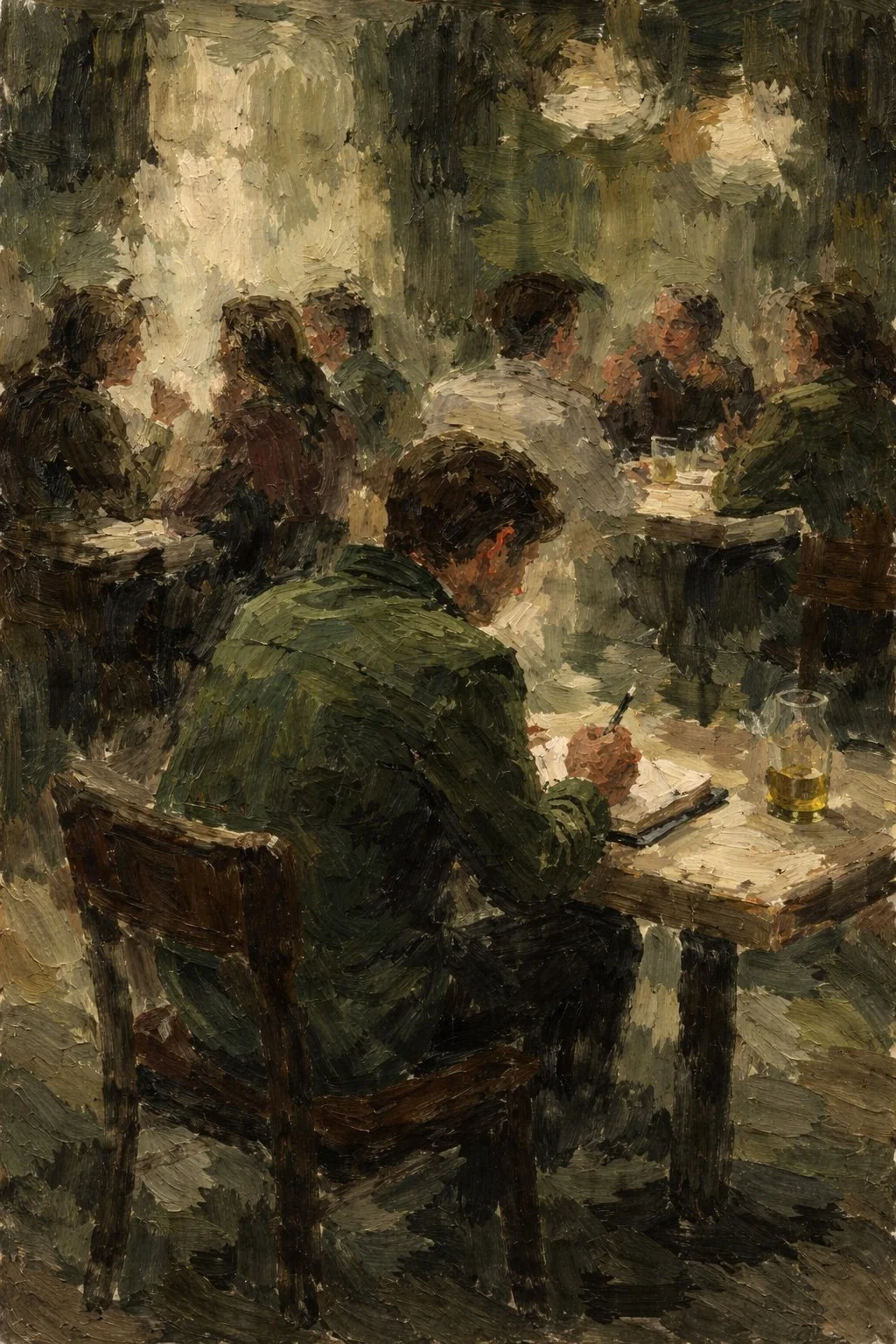
The Writer as Listener: Craft Lessons from Overhearing, Eavesdropping, and Accidental Dialogue
Book coaching services help a writer learn how to work with what they have actually gathered from life, rather than forcing it into preconceived structures. Many writers bring pages full of vivid, overheard dialogue to a draft and feel unsure why the scenes still fall flat. The issue is rarely authenticity, but rather placement and emphasis.
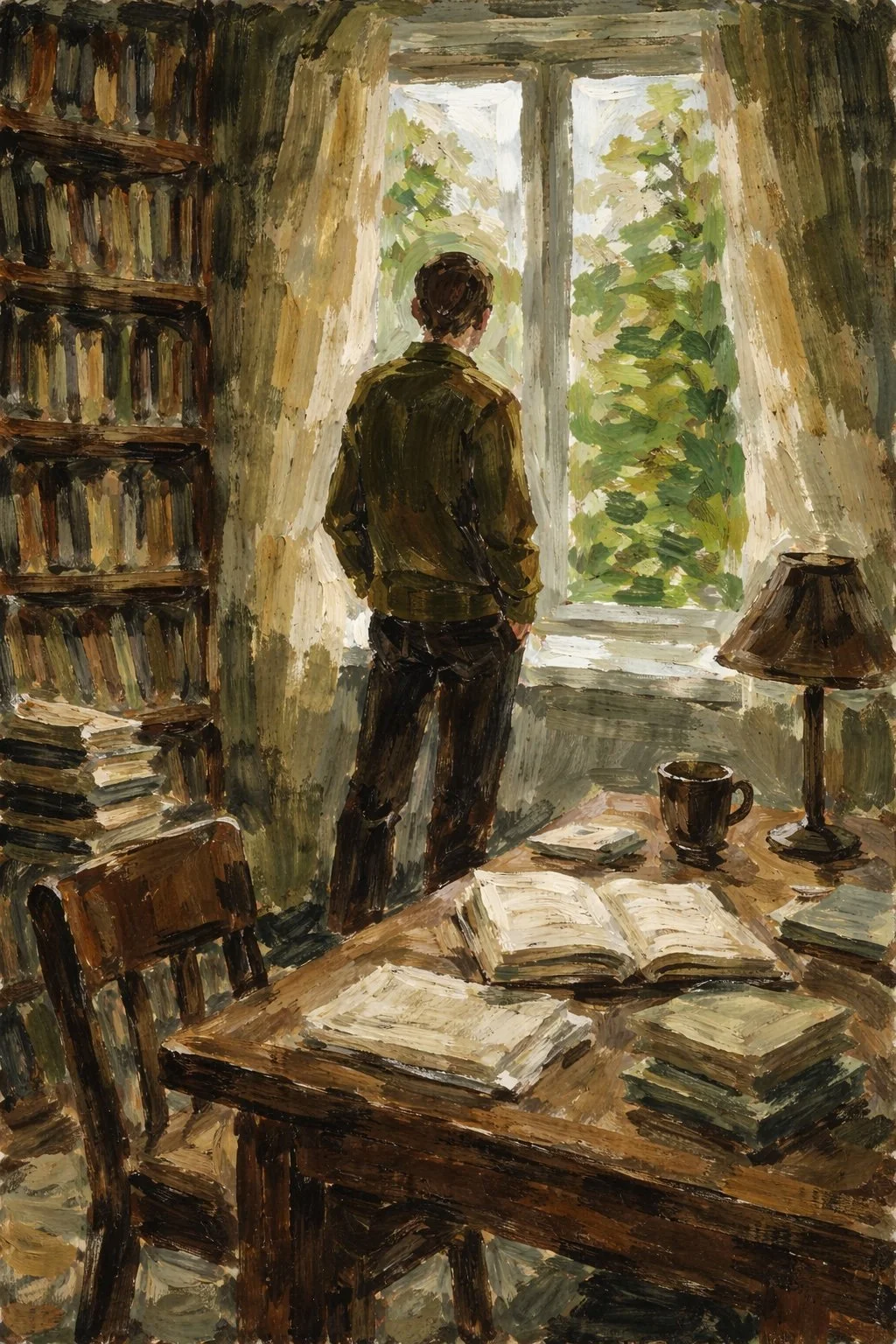
The Ethics of Writing Without Reply
When a writer has lived with material for years, blind spots form naturally. A book writing consultant who reads with distance can point out where a portrayal tips from specificity into caricature, or where a scene gains energy by diminishing someone else. A publishing consultant also understands how these ethical questions intersect with the audience that reads the work.

Character Under Pressure
People are revealed not by who they say they are, but by how they move through the limits imposed on them. When literary coaches teach writers to build pressure thoughtfully, character stops feeling like something to invent and starts feeling like something that happens naturally.
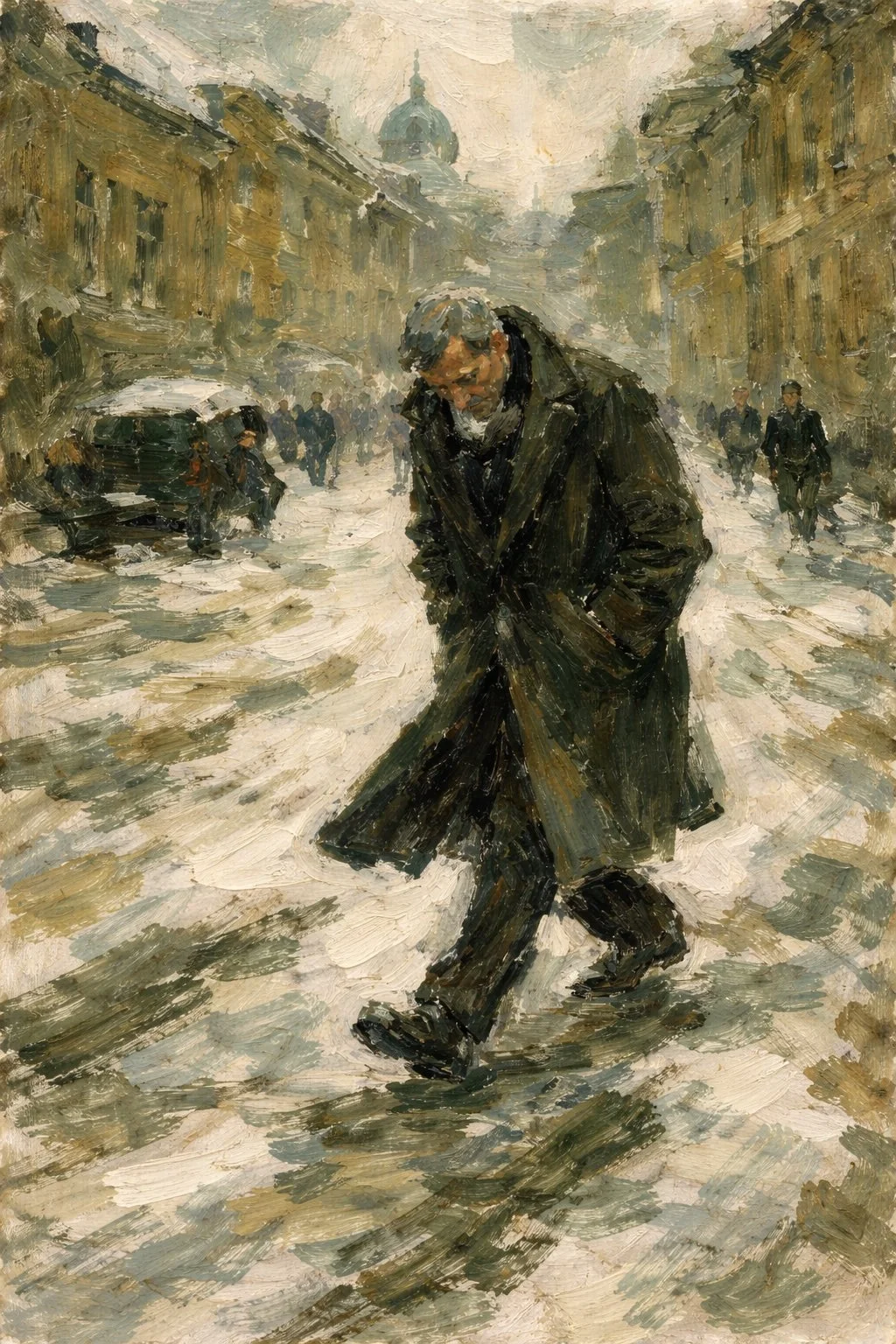
The Novel as a Laboratory for Moral Choice
Many developing writers approach moral questions too directly. They explain motives instead of dramatizing them, or they resolve ethical tension too quickly in order to reassure the reader. Author mentorship helps the writer slow down.

Omniscient Narration in Contemporary Fiction
When writers attempt omniscience on their own, they frequently err in one of two directions. Either the voice becomes too diffuse, leaving the reader unanchored, or it becomes too controlling, explaining motivations and themes before the story has allowed them to emerge organically. A book writing consultant can help a writer identify where the narrative voice is doing too much work and where it might do less.
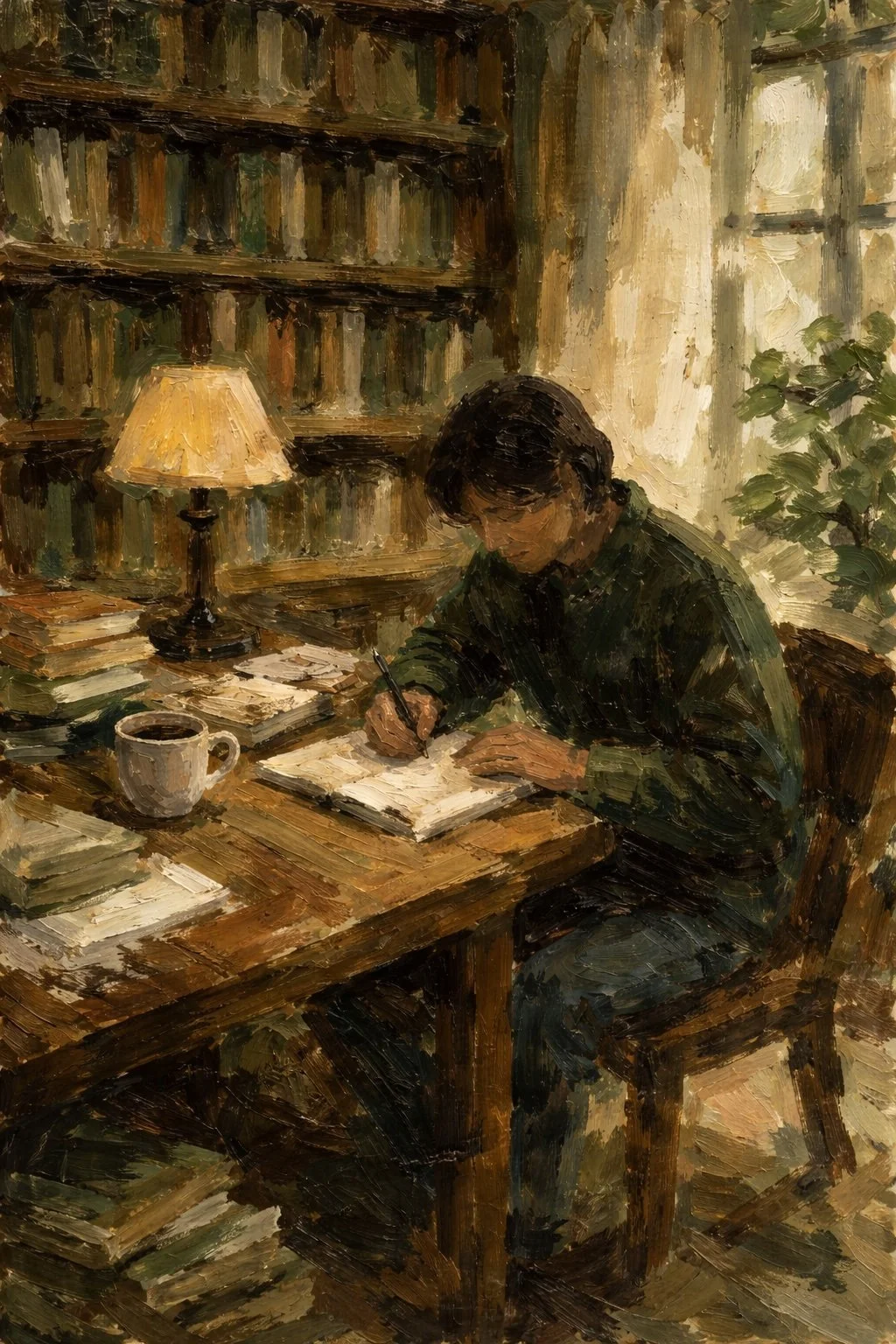
Memory Under Pressure: Compression in the Lyric Poem
When poets write from memory, they are often working with fragments. A smell, a sound, a brief physical gesture can carry more weight than a fully rendered anecdote. Compression sharpens these elements and invites the reader to participate in meaning-making. Instead of telling us what an experience meant, the poem creates a field where meaning is felt. Manuscript critique asks how the poem functions as an object.
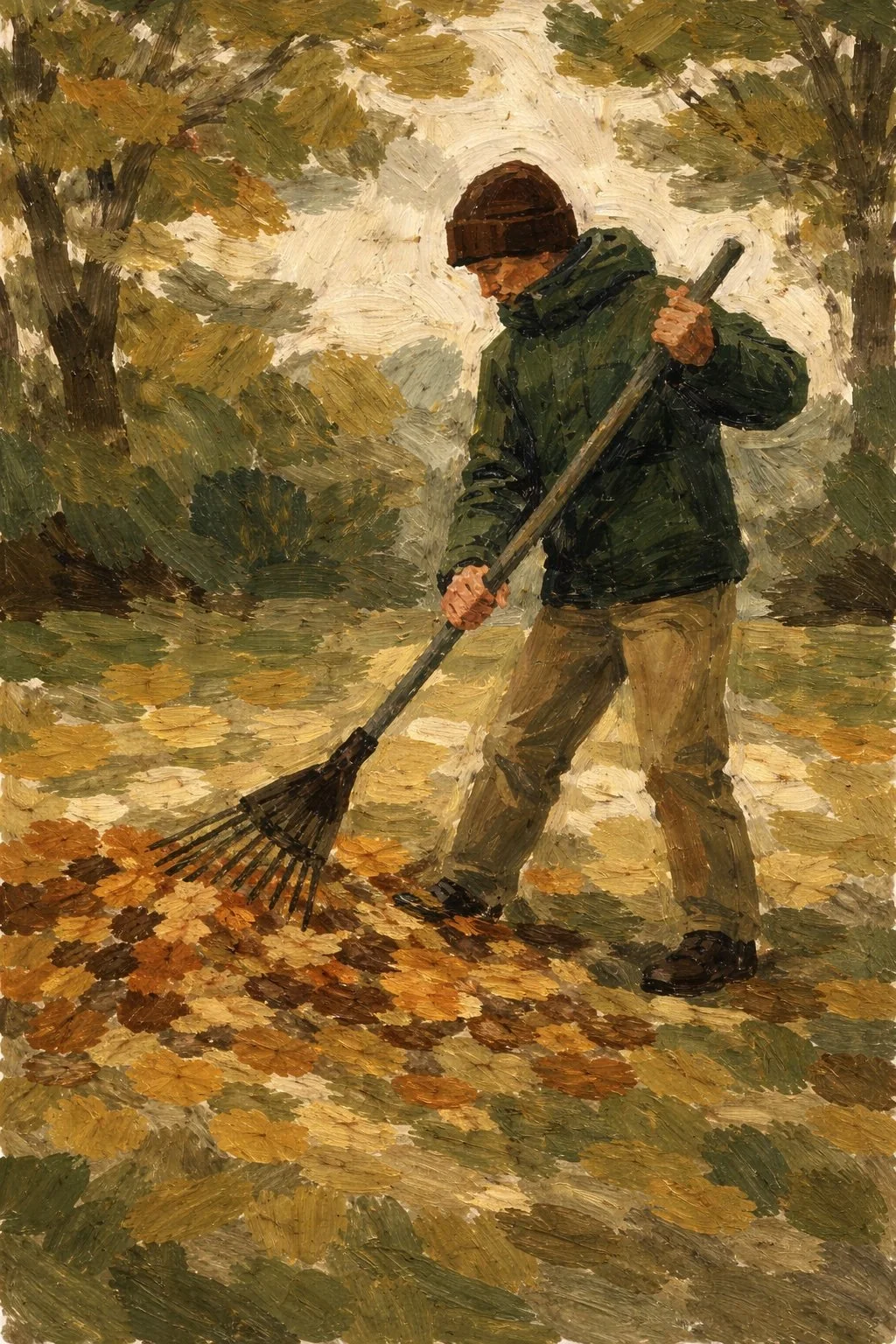
What Manual Labor Teaches Writers
Manual labor teaches a particular relationship to time. Progress can be slow and uneven. Mastery comes through accumulated hours rather than sudden insight. For writers, this sensibility counters the fantasy that a novel should arrive whole, or that inspiration alone will carry a project forward. Instead, it frames writing as a daily practice, one shaped by endurance and humility. Many writers have internalized either unrealistic artistic myths or the belief that their lived experience has no place in literary work. Novel writing mentorship helps a writer recognize the value of what they already know how to do.

Writing Place Without Sentimentality: Rendering Landscapes as Living Systems
Sentimentality often creeps in during revision, when the urge to clarify or elevate overtakes the discipline of observation. An experienced online writing consultant can identify moments where language slides into generality or emotional shorthand. They can point out when a place has stopped behaving like a system and started behaving like a symbol.

Hybrid Novels and the Problem of Placement
Many literary writers underestimate how much invisible labor traditional publishers absorb. When that infrastructure disappears, the work becomes the writer’s responsibility. A self-publishing consultant helps writers understand what matters and what does not, without imposing genre clichés or pressuring a book to conform to the market.
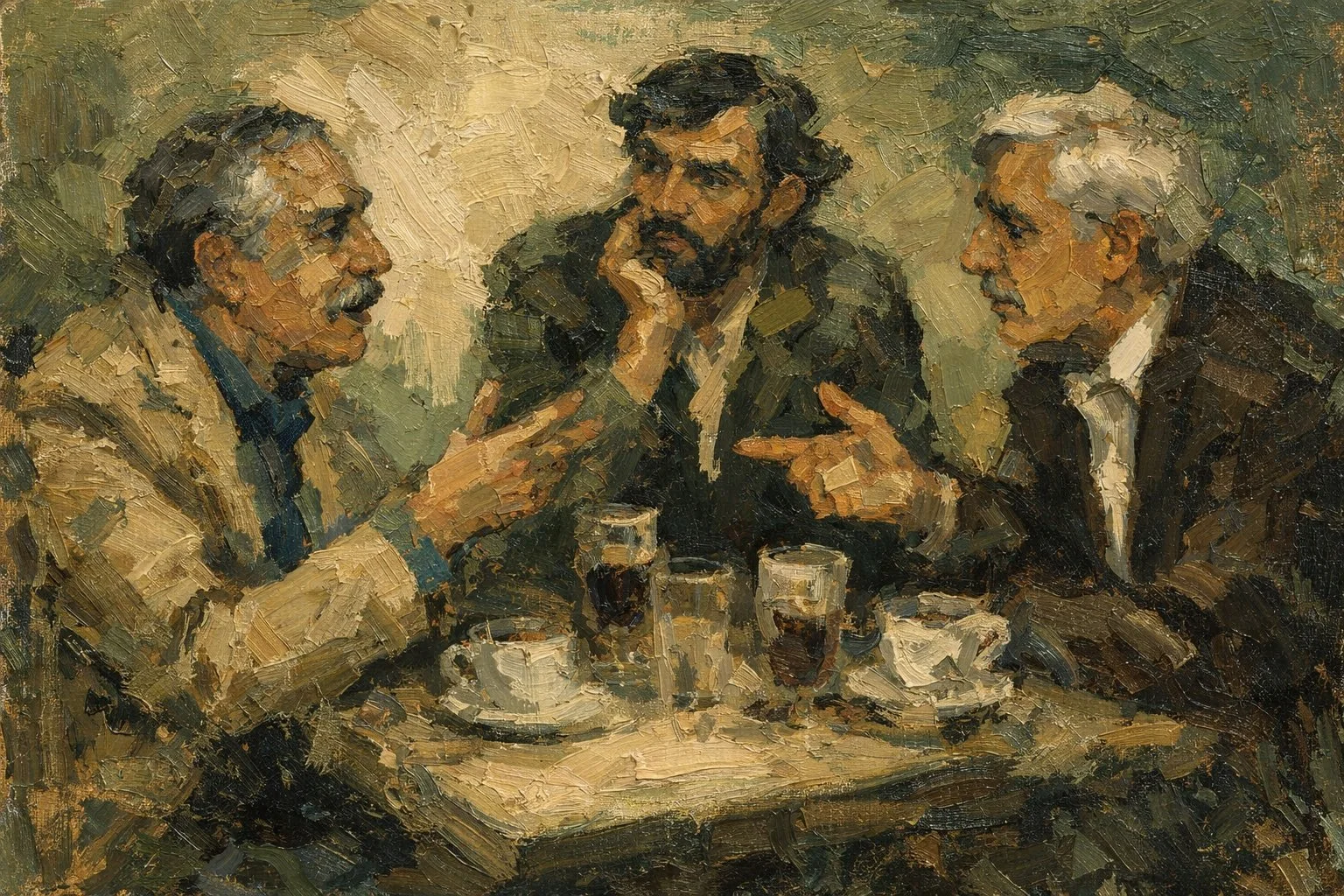
Narrative Authority in the Latin American Boom
A writer may admire García Márquez’s confidence but feel uncomfortable asserting that kind of narrative dominance. Another may love Cortázar’s openness but struggle with maintaining a coherent narrative. A third may gravitate toward Vargas Llosa’s architecture but risk overdetermining the reader’s experience. This is where the role of a novel coach becomes especially relevant.
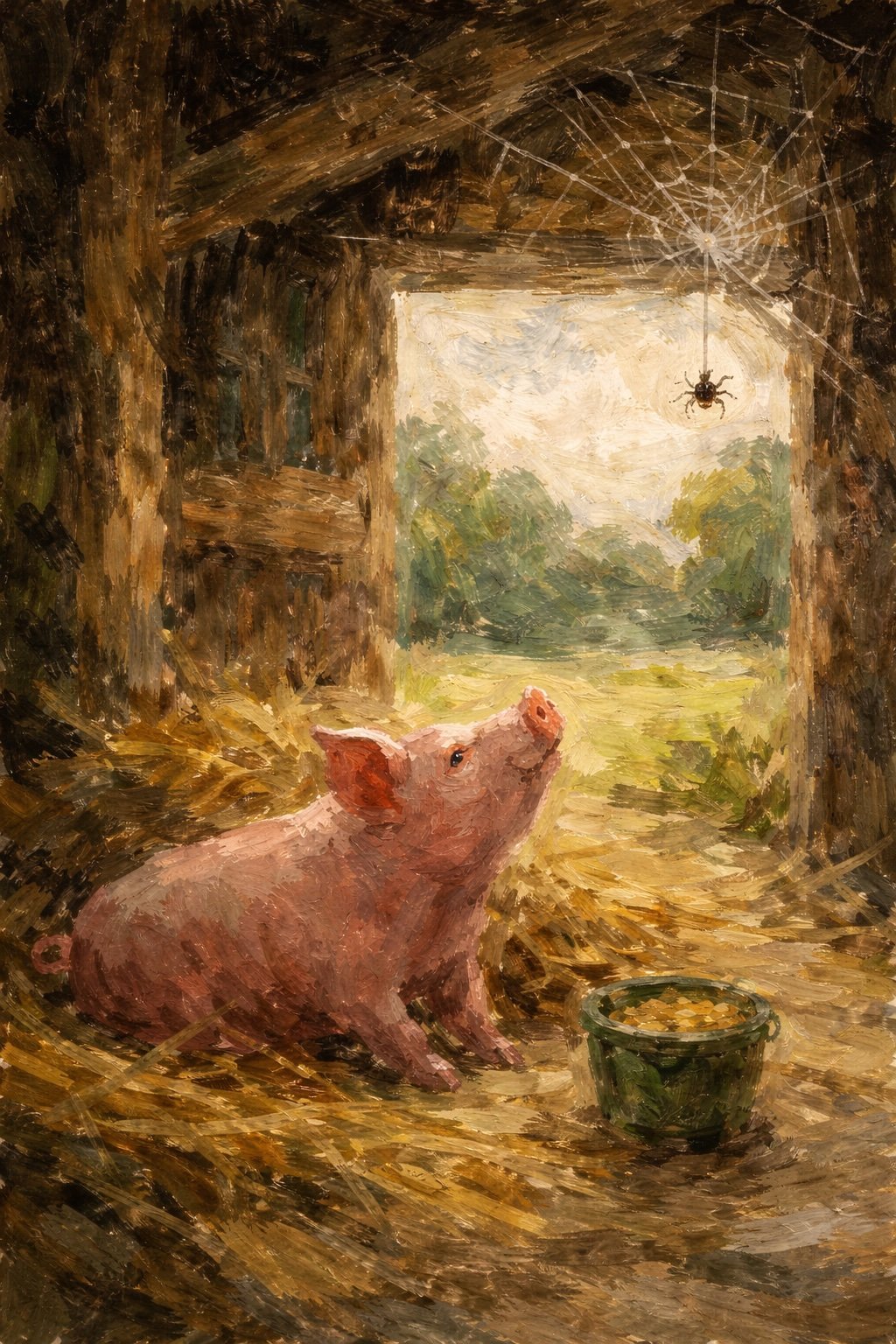
The Serious Emotional Work of Children’s Literature
Many drafts fail not because the feelings are too small, but because they are insufficiently grounded in the story’s logic. A creative writing mentor can ask the questions a child reader would ask. Why does this character feel this way now? What changed? What did they lose? What are they afraid will happen next?

How Writers Learn From the Places They Live
Writing coach services help a writer distinguish between genuine environmental influence and a larger narrative drift. Instead of offering generic advice about productivity or inspiration, a coach listens for how place is already shaping the work. They might notice that a city-based draft moves quickly but lacks reflection, or that a rural setting has slowed the prose to the point of inertia. How can the writer use their setting intentionally, instead of working against it?
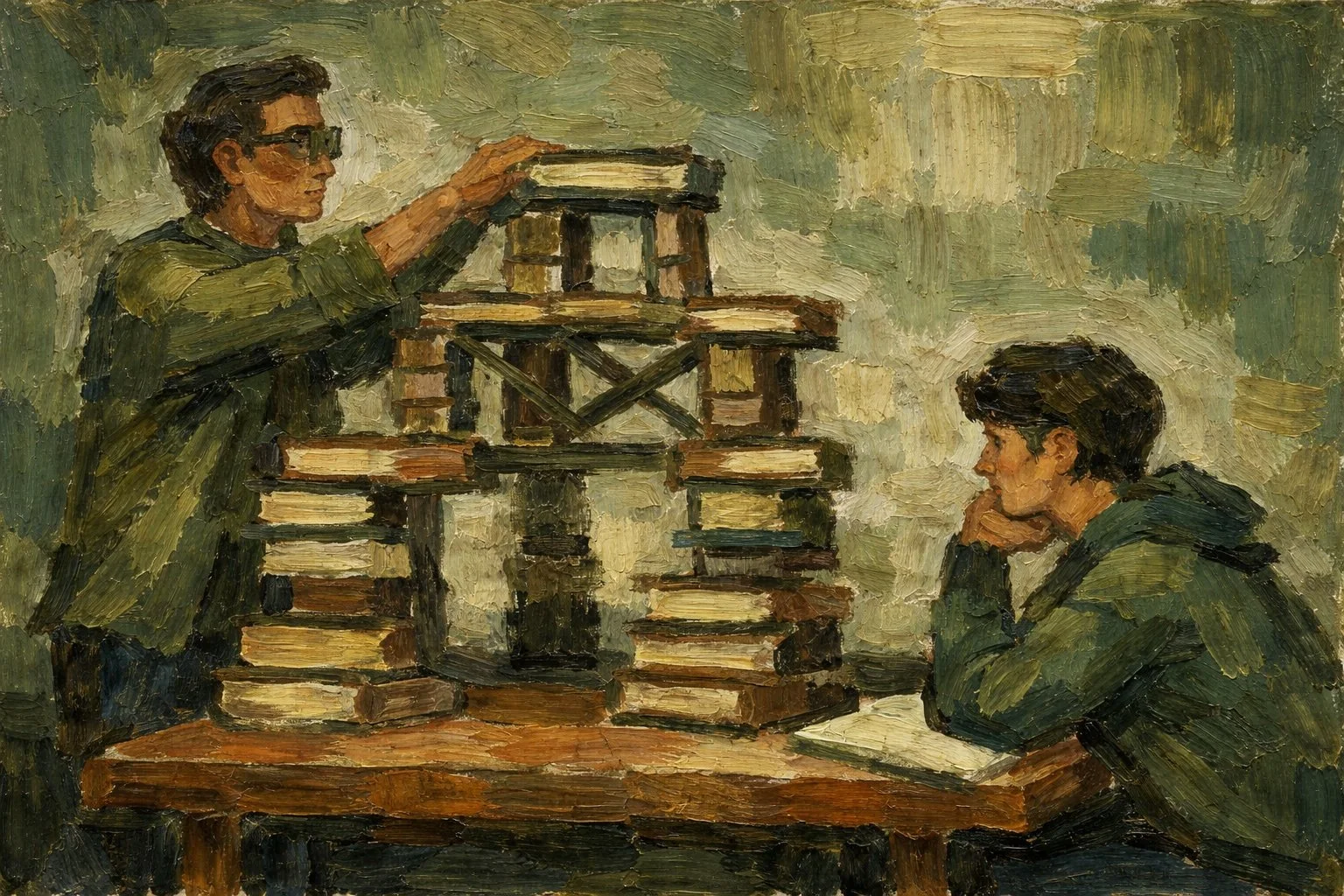
Temporary Structures: Writing Coaching and Scaffolding
The most valuable outcome of coaching is not a polished draft, but a writer who knows how to approach the next draft alone. When scaffolding is gradually removed, writers learn to trust themselves. They begin to recognize patterns in their own process and anticipate the kinds of support they need. At that point, the writing mentor’s role has succeeded precisely by making itself less necessary.

Inside the Architecture of a Scene
Writing coaching creates a space where scenes can be examined without defensiveness. Many writers conflate a critique of a scene with a critique of themselves. A skilled coach helps separate those things. The scene is an object that can be adjusted, expanded, or pared back. This shift alone often leads to stronger, more confident revision.
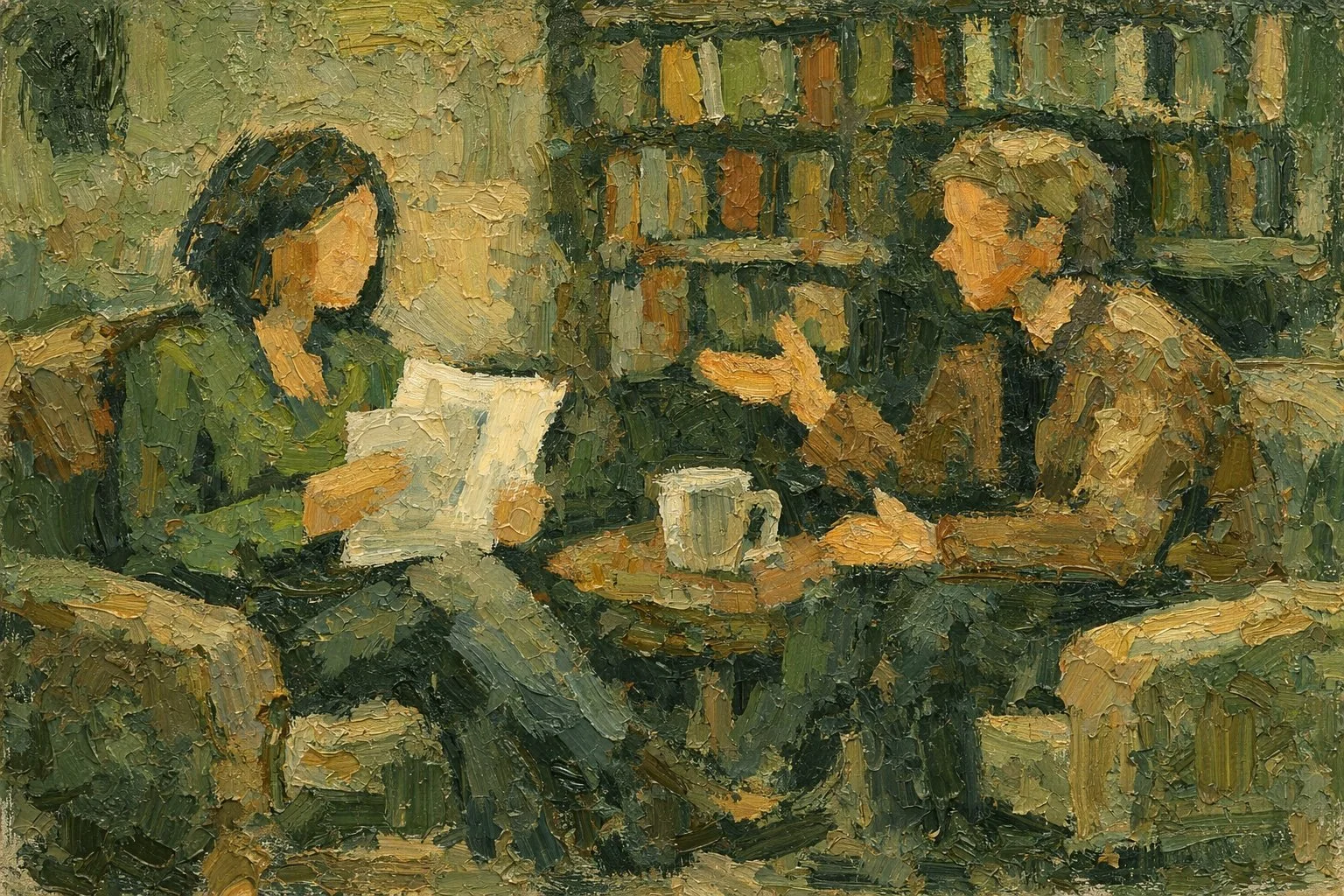
The Hidden Patterns Inside Early Drafts
A publishing coach who understands both craft and the realities of the publishing landscape knows that a theme cannot be imposed from the outside. It has to be recognized, refined, and clarified through revision. Rather than asking, “What do you want this book to say?” a good coach pays attention to what the manuscript keeps saying on its own.

Movement, and Attraction: The Craft of Romantic Tension
Writers frequently include moments of physical action without fully realizing what those moments are communicating. A manuscript critique from a book publishing consultant can help identify where a scene is already doing more work than the author recognizes, and where it is undercut by unnecessary explanation. Often the issue is not that desire is missing from the page, but that it is being overtranslated into dialogue, flattening what could have remained alive in gesture.
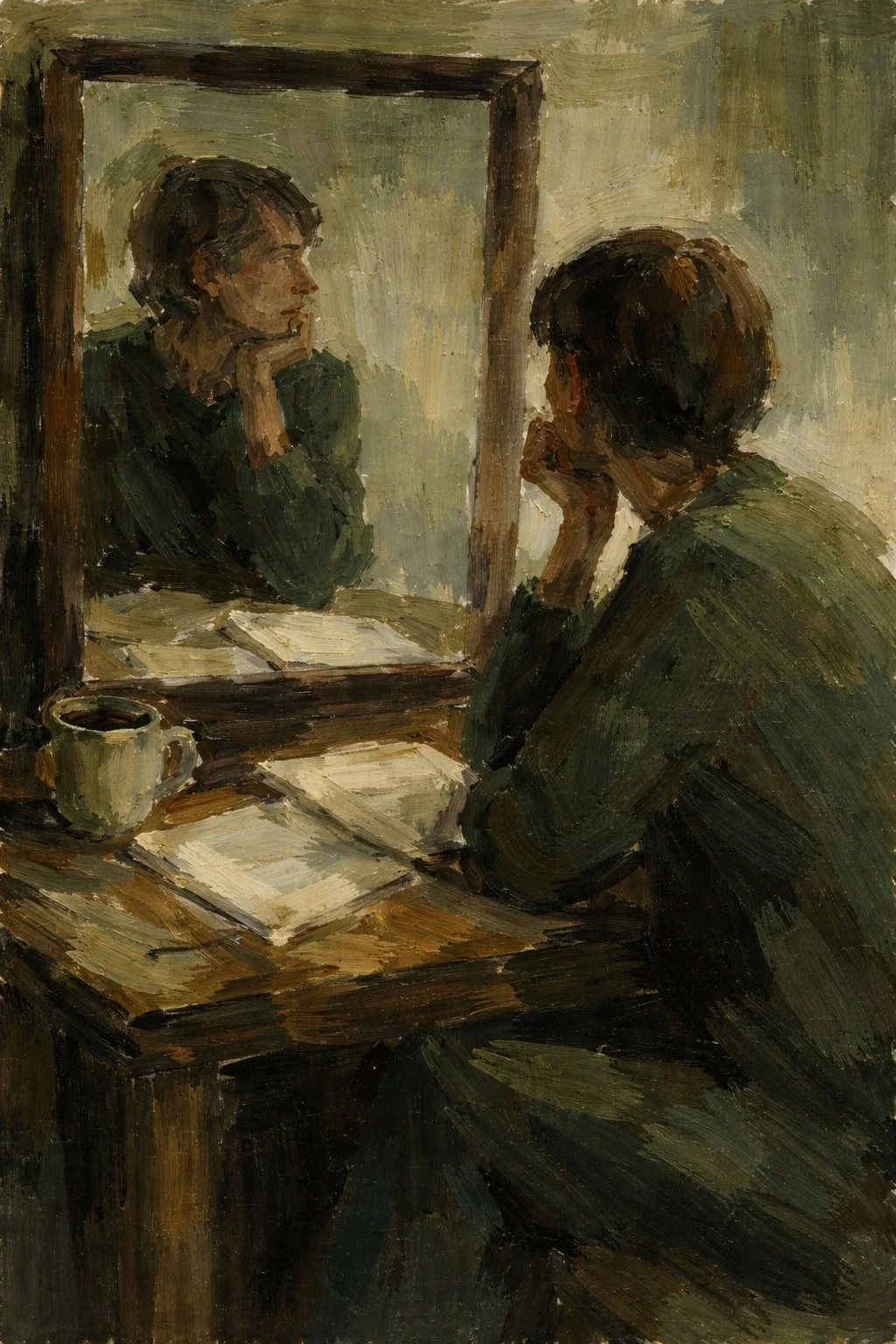
The Private Reader
Many writers come to coaching with a sense that they are writing under surveillance. They describe feeling watched, judged, or prematurely evaluated. This feeling often traces back to workshop culture, academic grading, and early feedback that arrived before the work had fully formed. Over time, the writer internalizes those voices. A writing coach helps externalize them.
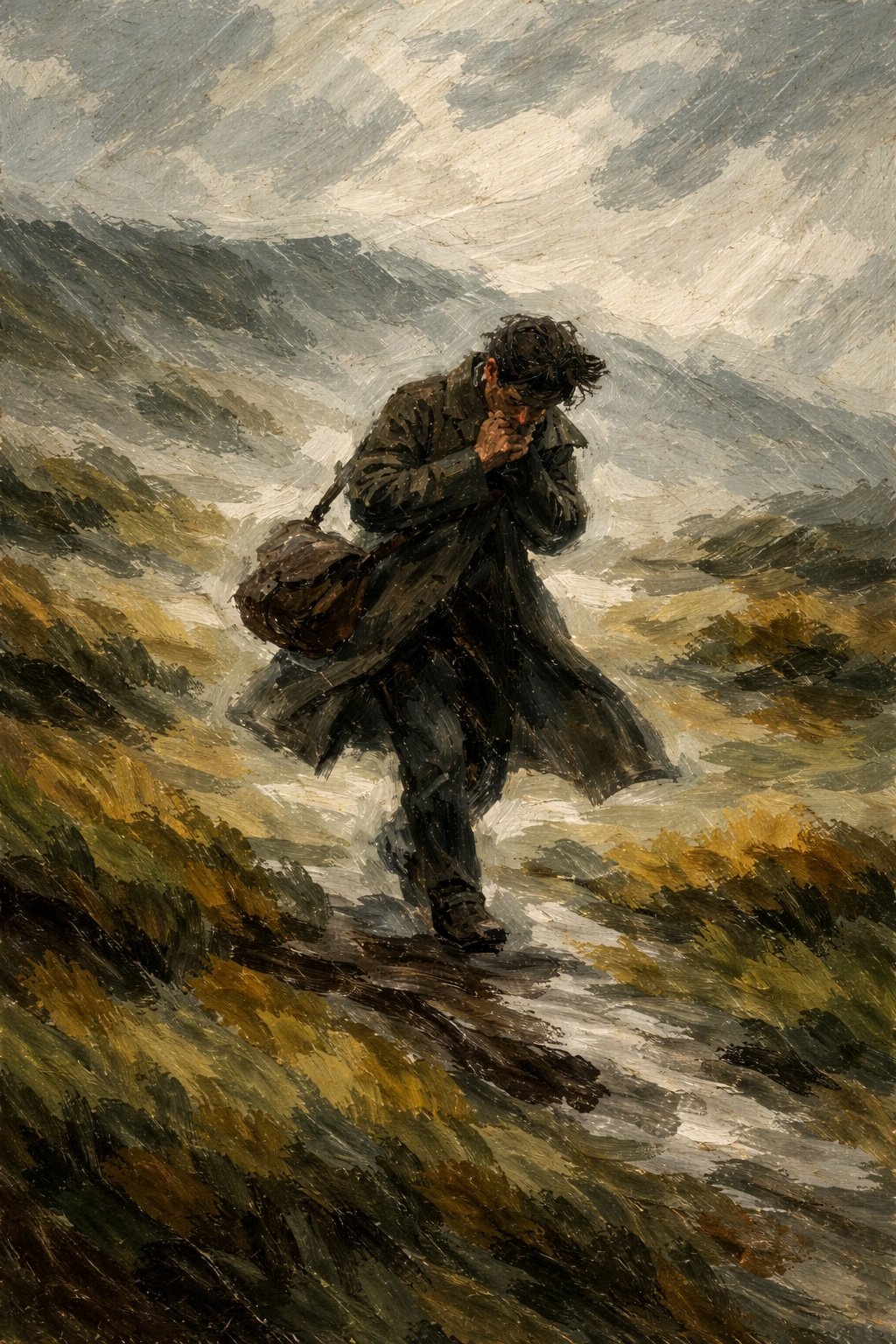
Writing from the Inside of Experience
A skilled fiction writing coach helps an author notice when their prose steps away from lived experience and into abstraction. This does not involve imposing a philosophical framework onto the work. It means listening closely to the language on the page and asking whether the scene is being shown from inside the experience or summarized from outside it.